


Study sounds another warning about proton pump inhibitors
A new study adds to growing concerns about a class of drugs frequently prescribed to suppress stomach acid in patients with gastroesophageal reflux disease (GERD). Previous research has linked the use of proton pump inhibitors (PPIs) to an increased risk of various pulmonary and gastrointestinal infections in both adults and children. Patients treated with PPIs ... Read More about Study sounds another warning about proton pump inhibitors
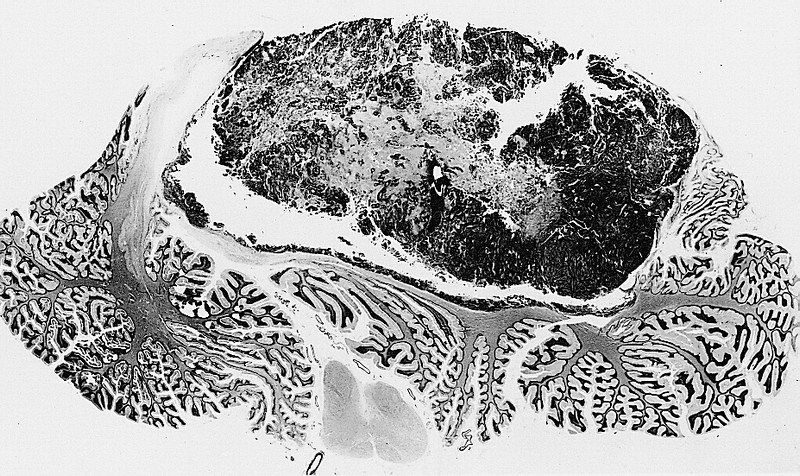
Typing medulloblastoma: From RNA to proteomics and phospho-proteomics
Medulloblastoma is one of the most common pediatric brain tumors, accounting for nearly 10 percent of cases. It occurs in the cerebellum, a complex part of the brain that controls balance, coordination and motor function and regulates verbal expression and emotional modulation. While overall survival rates are high, current therapies can be toxic and cause secondary ... Read More about Typing medulloblastoma: From RNA to proteomics and phospho-proteomics
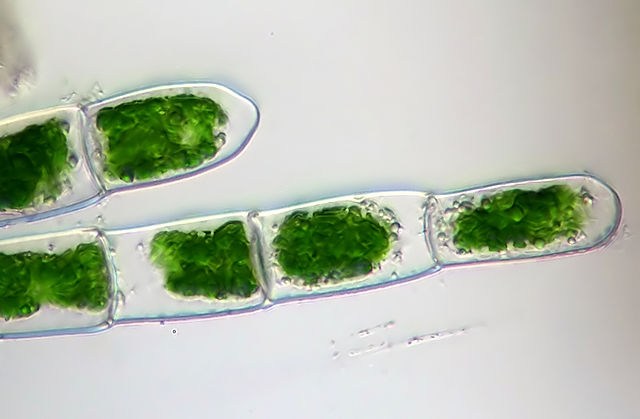
Safety trial of algal anesthetic kicks off
Two years ago, we told the story of the quest of Charles Berde, MD, PhD, of Boston Children’s Division of Pain Medicine, to turn an algal toxin called neosaxitoxin into a long-lasting local anesthetic. At that time, Berde—together with Alberto Rodríguez-Navarro, MD, from Padre Hurtado Hospital in Santiago, Chile, and a Chilean company called Proteus SA—already knew that ... Read More about Safety trial of algal anesthetic kicks off
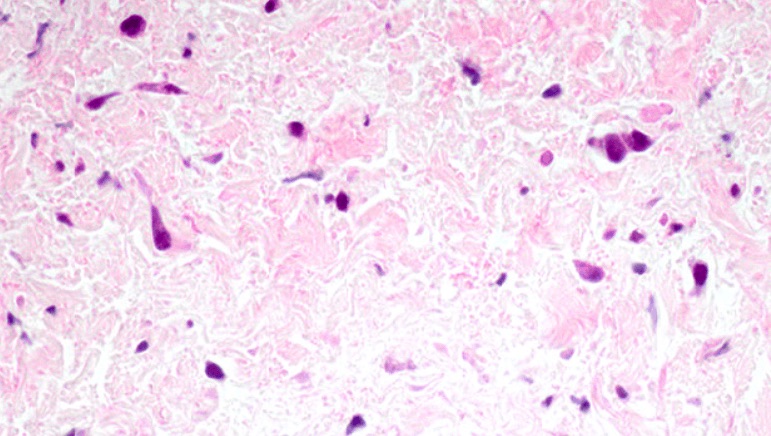
Trial shows chemotherapy is helping kids live with pulmonary vein stenosis
Pulmonary vein stenosis (PVS) is a rare disease in which abnormal cells build up inside the veins responsible for carrying oxygen-rich blood from the lungs to the heart. It restricts blood flow through these vessels, eventually sealing them off entirely if left untreated. Typically affecting young children, the most severe form of PVS progresses very quickly ... Read More about Trial shows chemotherapy is helping kids live with pulmonary vein stenosis
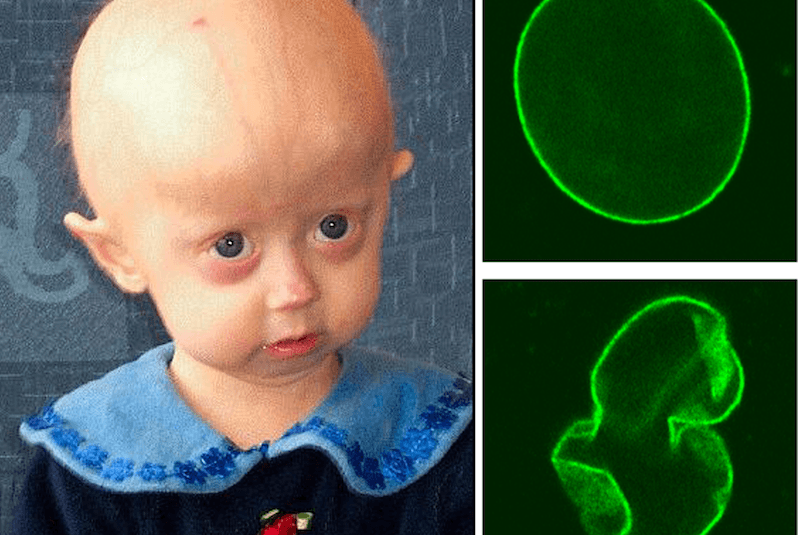
Failed cancer drug may extend life in children with progeria
Hutchinson-Gilford Progeria Syndrome, better known as progeria, is a highly rare genetic disease of premature aging. It takes a cruel toll: Children begin losing body fat and hair, develop the thin, tight skin typical of elderly people and suffer from hearing loss, bone problems, hardening of the arteries, stiff joints and failure to grow. They ... Read More about Failed cancer drug may extend life in children with progeria
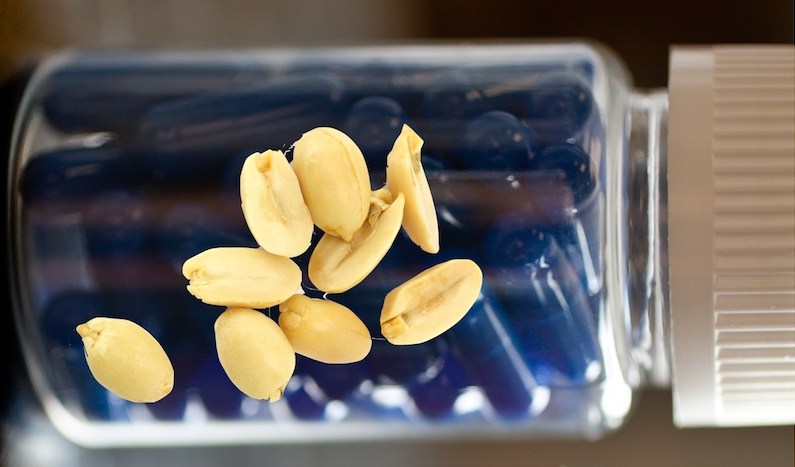
Could poop transplants treat peanut allergy? A clinical trial begins
Increasing evidence supports the idea that the bacteria living in our intestines early in life help shape our immune systems. Factors like cesarean birth, early antibiotics, having pets, number of siblings and formula feeding (rather than breastfeeding) may affect our microbial makeup, or microbiota, and may also affect our likelihood of developing allergies. Could giving ... Read More about Could poop transplants treat peanut allergy? A clinical trial begins
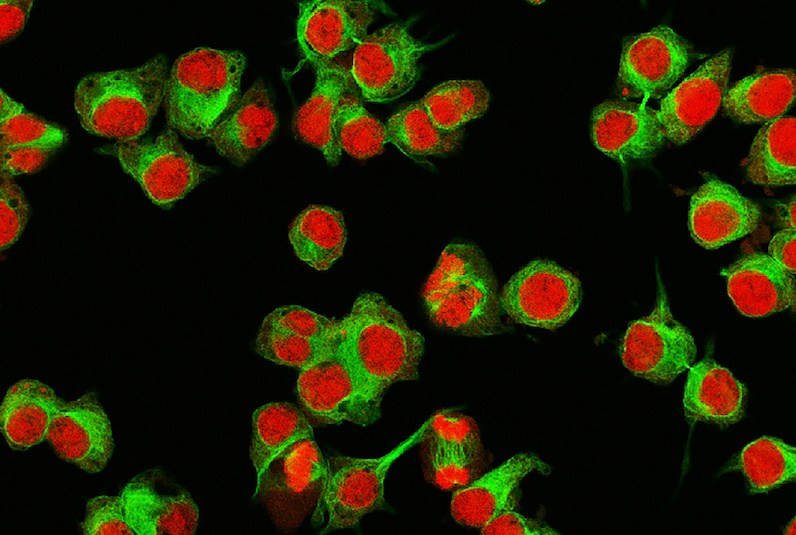
Taking a sideswipe at high-risk neuroblastoma
Cancer and other diseases are now understood to spring from a complex interplay of biological factors rather than any one isolated origin. New research reveals that an equally-nuanced approach to treating high-risk neuroblastoma may be the most effective way to curb tumor growth. One challenge in treating pediatric cancers like neuroblastoma is that they are ... Read More about Taking a sideswipe at high-risk neuroblastoma

Culture shock: Why poliovirus had to live before it could die
Today, stories of polio may seem like echoes from far-away history to those born after 1979, the year that polio was eradicated in the U.S. Since then, it has been customary for children to receive four doses of the polio vaccine to protect them from ever contracting the terrifying disease also known as “infantile paralysis.” Polio, however, still afflicts people in ... Read More about Culture shock: Why poliovirus had to live before it could die

Why I’m tall and you’re short: GIANT effort finds rare, potent height genes
Height is the “poster child” of complex genetic traits, meaning that it’s influenced by multiple genetic variants working together. Because height is easy to measure, it’s a relatively simple model for understanding traits produced by not one gene, but many. “Mastering the complex genetics of height may give us a blueprint for studying multifactorial disorders that have ... Read More about Why I’m tall and you’re short: GIANT effort finds rare, potent height genes
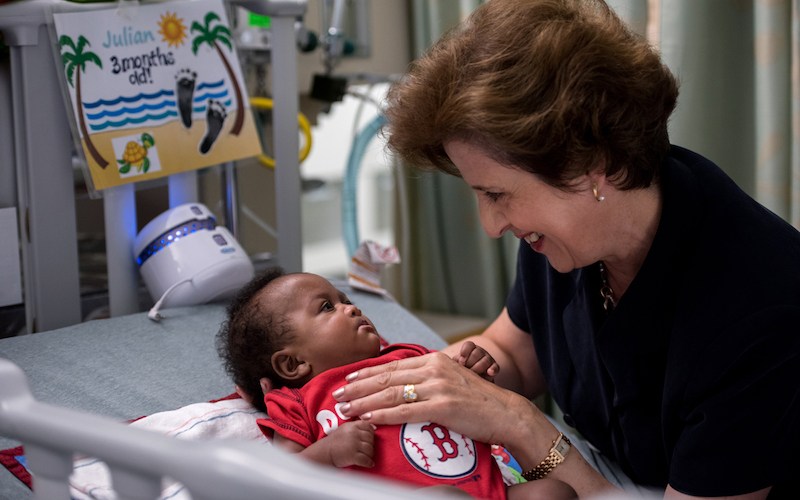
Inspired research in newborn lung disease: Stella Kourembanas, MD
Stella Kourembanas in the NICU with Julian (photos: Katherine Cohen) During the NICU rotation of her clinical training, Stella Kourembanas, MD, sat at the bedside of newborn babies with hypoxia. The newborns weren’t getting enough oxygen and were suffering from pulmonary hypertension — abnormally elevated blood pressure in the lung’s blood vessels. What was triggering ... Read More about Inspired research in newborn lung disease: Stella Kourembanas, MD