

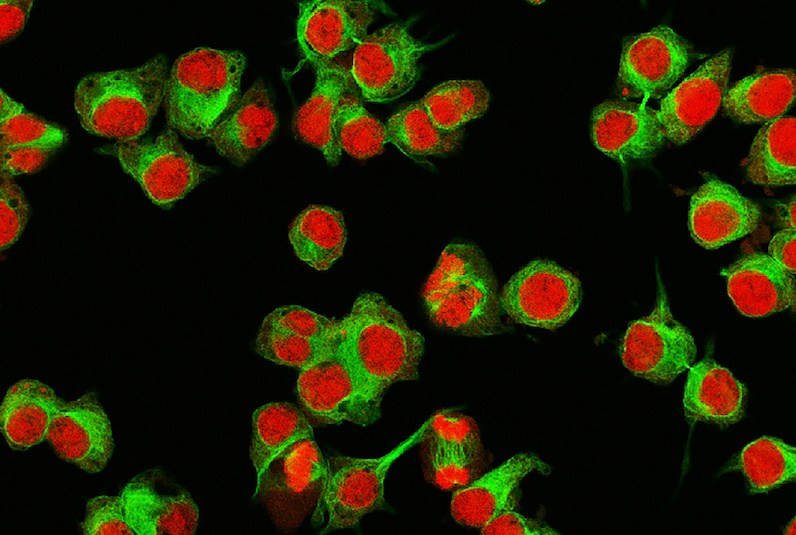
Taking a sideswipe at high-risk neuroblastoma
Cancer and other diseases are now understood to spring from a complex interplay of biological factors rather than any one isolated origin. New research reveals that an equally-nuanced approach to treating high-risk neuroblastoma may be the most effective way to curb tumor growth. One challenge in treating pediatric cancers like neuroblastoma is that they are ... Read More about Taking a sideswipe at high-risk neuroblastoma

Gene therapy halts progression of cerebral adrenoleukodystrophy in clinical trial
Adrenoleukodystrophy — depicted in the 1992 movie “Lorenzo’s Oil” — is a genetic disease that most severely affects boys. Caused by a defective gene on the X chromosome, it triggers a build-up of fatty acids that damage the protective myelin sheaths of the brain’s neurons, leading to cognitive and motor impairment. The most devastating form of the ... Read More about Gene therapy halts progression of cerebral adrenoleukodystrophy in clinical trial
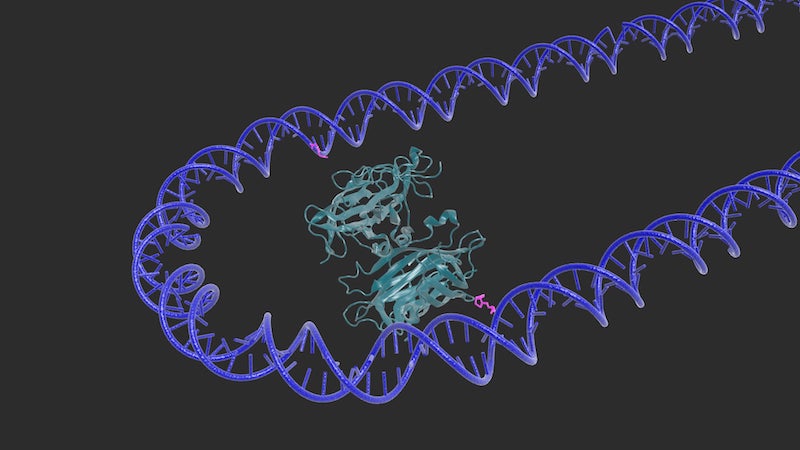
To monitor health, simply trip the ‘nanoswitches’
https://vimeo.com/232848172Video can’t be loaded because JavaScript is disabled: DNA Nanoswitch Detection (https://vimeo.com/232848172) WATCH: DNA nanoswitches change shape in the presence of biomarkers. The shape change is revealed in a process called gel electrophoresis. Credit: Wyss Institute at Harvard University “Nanoswitches” — engineered, shape-changing strands of DNA — could shake up the way we monitor our ... Read More about To monitor health, simply trip the ‘nanoswitches’

Immune gene guards against type 1 diabetes by changing the microbiome. Do early antibiotics undercut its effects?
The health of our immune system is increasingly linked with the health of our intestinal bacteria. A mouse study from Harvard Medical School now hammers this home for autoimmune disorders, in which the body attacks its own cells. It looked specifically at type 1 diabetes, in which the body destroys the cells that make insulin. ... Read More about Immune gene guards against type 1 diabetes by changing the microbiome. Do early antibiotics undercut its effects?
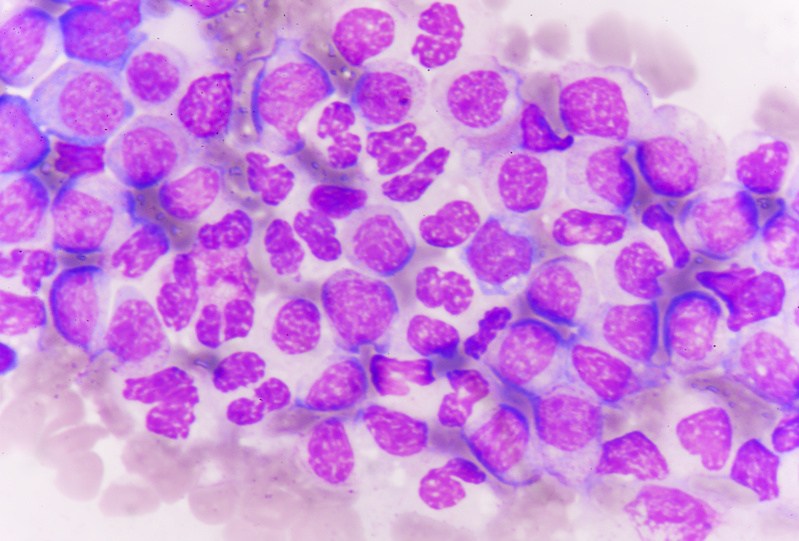
Landmark moment for science as the FDA approves a gene therapy for the first time
Today, the Food and Drug Administration approved a gene therapy known as CAR T-cell therapy that genetically modifies a patient’s own cells to help them combat pediatric acute lymphoblastic leukemia (ALL), the most common childhood cancer. It is the first gene therapy to be approved by the FDA. “This represents the progression of the field of gene ... Read More about Landmark moment for science as the FDA approves a gene therapy for the first time
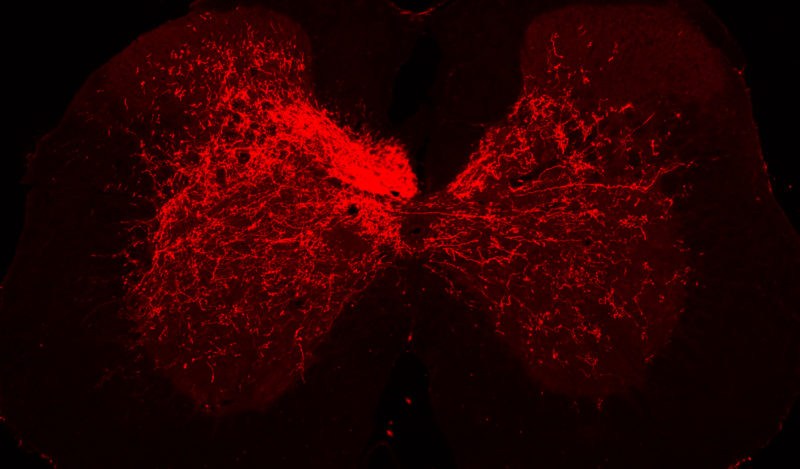
Novel therapeutic cocktail could restore fine motor skills after spinal cord injury and stroke
Neuron cells have long finger-like structures, called axons, that extend outward to conduct impulses and transmit information to other neurons and muscle fibers. After spinal cord injury or stroke, axons originating in the brain’s cortex and along the spinal cord become damaged, disrupting motor skills. Now, reported today in Neuron, a team of scientists at Boston Children’s ... Read More about Novel therapeutic cocktail could restore fine motor skills after spinal cord injury and stroke
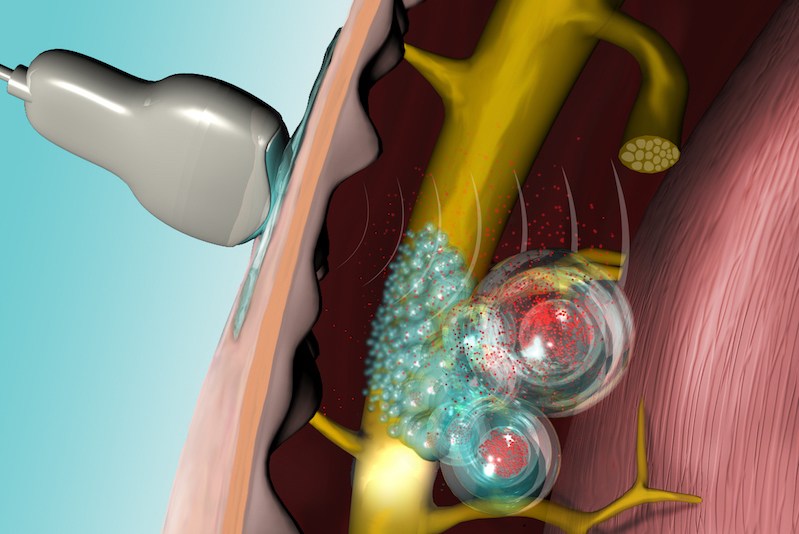
Using ultrasound to trigger on-demand, site-specific pain relief
According to the CDC, 91 people die from opioid overdoses every day in the U.S. Here in Massachusetts, the state has an opioid-related death rate that is more than twice the national average. “Opioid abuse is a growing problem in healthcare,” says Daniel Kohane, MD, PhD, a senior associate in critical care medicine at Boston Children’s and professor ... Read More about Using ultrasound to trigger on-demand, site-specific pain relief

Botulism toxin X: Time to update the textbooks, thanks to genomic sequencing
Botulism is a rare, potentially fatal paralyzing illness. It’s the reason we shouldn’t feed infants honey and why we need to take care in consuming home-canned foods: they can potentially contain nerve-damaging toxins produced by Clostridium botulinum. Botulinum toxin is classified as one of the six most dangerous potential bioterrorism agents. There are seven known ... Read More about Botulism toxin X: Time to update the textbooks, thanks to genomic sequencing
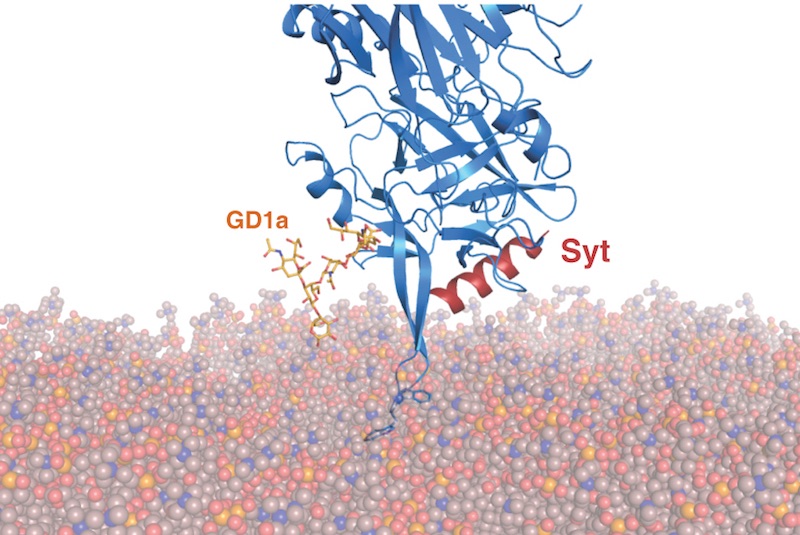
Building a better botox
Aside from reducing wrinkles, botulinum toxins — a.k.a. botox — have a variety of uses in medicine: to treat muscle overactivity in overactive bladder, to correct misalignment of the eyes in strabismus, for a movement disorder called cervical dystonia that causes neck spasms, and more. Two botulinum toxins, types A and B, are FDA-approved and ... Read More about Building a better botox

Mutated botulinum neurotoxin B: A stronger player in the Botox world?
Famously associated with smoothing out wrinkles, botulinum toxin — better known as Botox — has been in use for 40 years now. Initially approved as a treatment for crossed eyes and then facial wrinkles, its on- and off-label uses today extend to urinary incontinence, migraines, perspiration, spasticity and even depression. But the diffusion of the ... Read More about Mutated botulinum neurotoxin B: A stronger player in the Botox world?