

Failed cancer drug may extend life in children with progeria
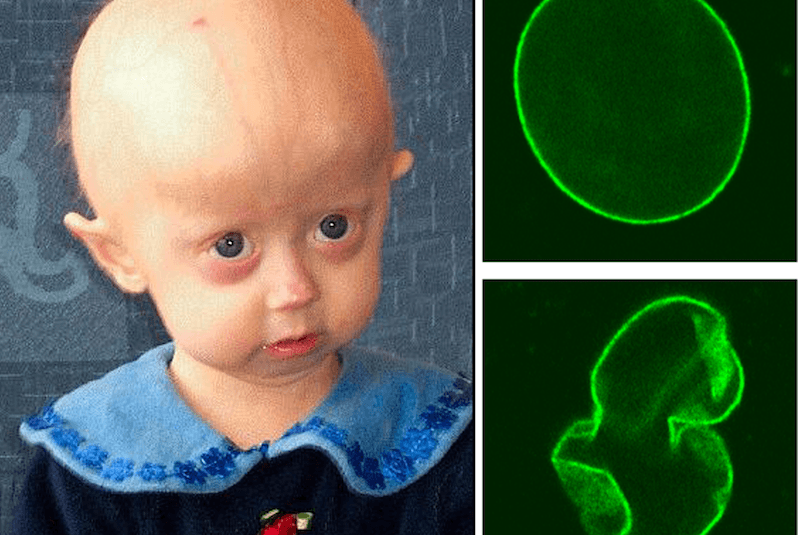
Hutchinson-Gilford Progeria Syndrome, better known as progeria, is a highly rare genetic disease of premature aging. It takes a cruel toll: Children begin losing body fat and hair, develop the thin, tight skin typical of elderly people and suffer from hearing loss, bone problems, hardening of the arteries, stiff joints and failure to grow. They ... Read More about Failed cancer drug may extend life in children with progeria

Families and data scientists build insights on Phelan-McDermid syndrome
This is the third year that Jacob Works has made the trip down to Boston Children’s Hospital from Maine. With research assistant Haley Medeiros, he looks at pictures, answers questions, manipulates blocks and mimes actions like knocking on a door. His father, Travis, and another research assistant look on through a window. “At first, we ... Read More about Families and data scientists build insights on Phelan-McDermid syndrome
Science Seen: New microscope reveals biological life as you’ve never seen it before
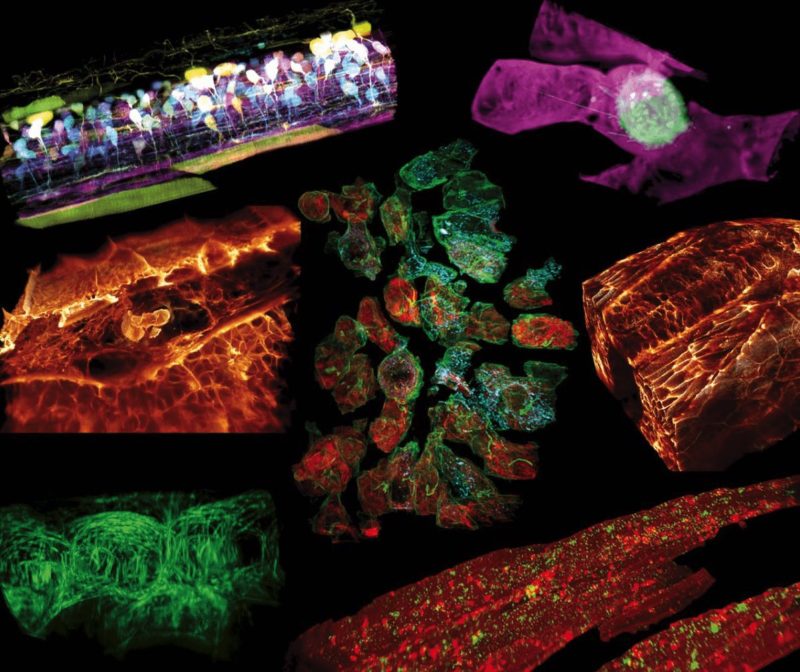
Astronomers developed a “guide star” adaptive optics technique to obtain the most crystal-clear and precise telescopic images of distant galaxies, stars and planets. Now a team of scientists, led by Nobel laureate Eric Betzig, PhD, are borrowing the very same trick. They’ve combined it with lattice light-sheet to create a new microscope that’s able to capture real-time, incredibly ... Read More about Science Seen: New microscope reveals biological life as you’ve never seen it before

Study: Children with upper limb differences have better emotional health
A recent study found that while children with upper limb differences have lower upper limb function, some form better peer relationships and have more positive emotional states compared to population norms.
The softer the nanoparticle, the better the drug delivery to tumors
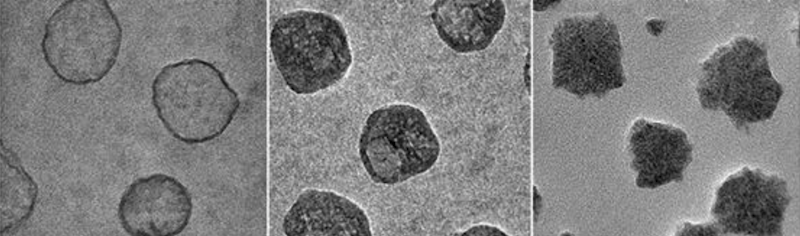
For the first time, scientists have shown that the elasticity of nanoparticles can affect how cells take them up in ways that can significantly improve drug delivery to tumors. A team of Boston Children’s Hospital researchers led by Marsha A. Moses, PhD, who directs the Vascular Biology Program, created a novel nanolipogel-based drug delivery system that allowed ... Read More about The softer the nanoparticle, the better the drug delivery to tumors

Could poop transplants treat peanut allergy? A clinical trial begins
Increasing evidence supports the idea that the bacteria living in our intestines early in life help shape our immune systems. Factors like cesarean birth, early antibiotics, having pets, number of siblings and formula feeding (rather than breastfeeding) may affect our microbial makeup, or microbiota, and may also affect our likelihood of developing allergies. Could giving ... Read More about Could poop transplants treat peanut allergy? A clinical trial begins
Intestine chip models gut function, in disease and in health
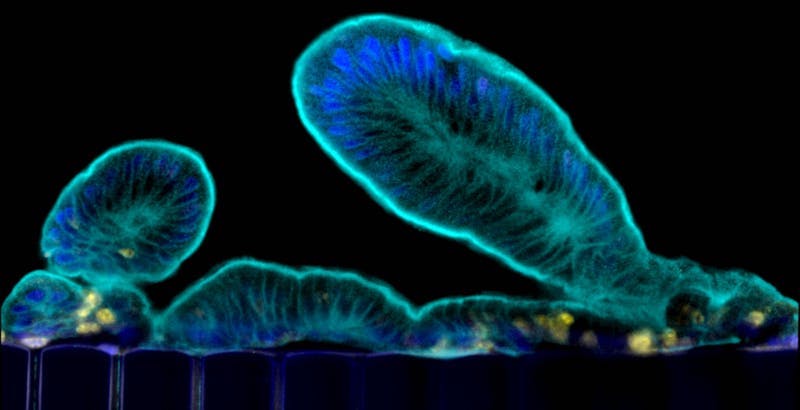
The small intestine is much more than a digestive organ. It’s a major home to our microbiome, it’s a key site where mucosal immunity develops and it provides a protective barrier against a variety of infections. Animal models don’t do justice to the human intestine in all its complexity. Attempts to better model human intestinal function ... Read More about Intestine chip models gut function, in disease and in health
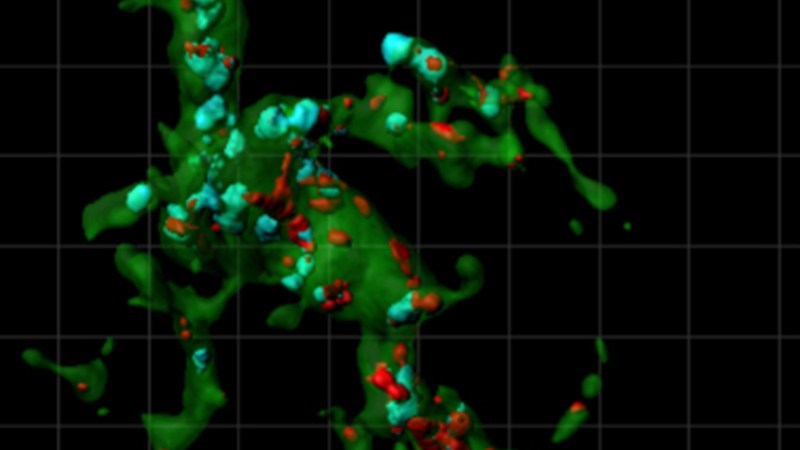
Beth Stevens: A transformative thinker in neuroscience
When 2015 MacArthur “genius” grant winner Beth Stevens, PhD, began studying the role of glia in the brain in the 1990s, these cells—“glue” from the Greek—weren’t given much thought. Traditionally, glia were thought to merely protect and support neurons, the brain’s real players. But Stevens, from the Department of Neurology and the F.M. Kirby Neurobiology ... Read More about Beth Stevens: A transformative thinker in neuroscience
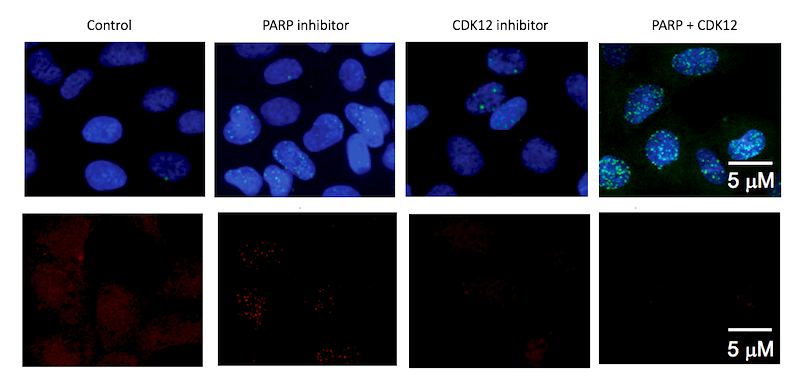
Cancer researchers hit a bullseye with a new drug target for Ewing sarcoma
Screening a class of recently-developed drug compounds — so-called “CDK inhibitors” capable of blocking CDK7/12/13 proteins — against hundreds of different human cancer cell lines, researchers at Dana-Farber/Boston Children’s Cancer and Blood Disorders Center have found that CDK12 inhibitors pack a particularly lethal punch to Ewing sarcoma, a rare cancer typically affecting children and young adults. “No one ... Read More about Cancer researchers hit a bullseye with a new drug target for Ewing sarcoma

Sickle cell gene therapy to boost fetal hemoglobin: A 70-year timeline of discovery
Boston Children’s Hospital is now enrolling patients age 3 to 35 in a clinical trial of gene therapy for sickle cell disease. Based on technology developed in its own labs, it differs from other gene therapy approaches by having a two-pronged action. It represses production of the mutated beta hemoglobin that causes red blood cells to ... Read More about Sickle cell gene therapy to boost fetal hemoglobin: A 70-year timeline of discovery