

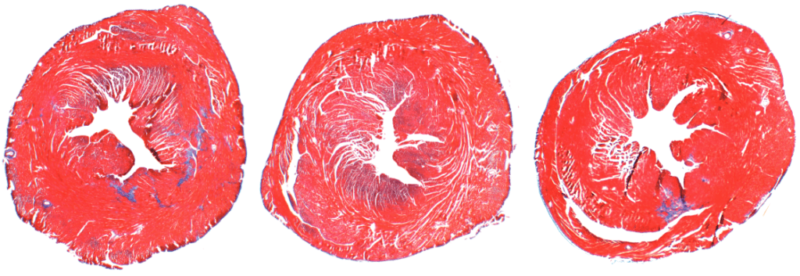
Seeking a way to keep organs young
The wear and tear of life takes a cumulative toll on our bodies. Our organs gradually stiffen through fibrosis, which is a process that deposits tough collagen in our body tissue. Fibrosis happens little by little, each time we experience illness or injury. Eventually, this causes our health to decline. “As we age, we typically accumulate ... Read More about Seeking a way to keep organs young
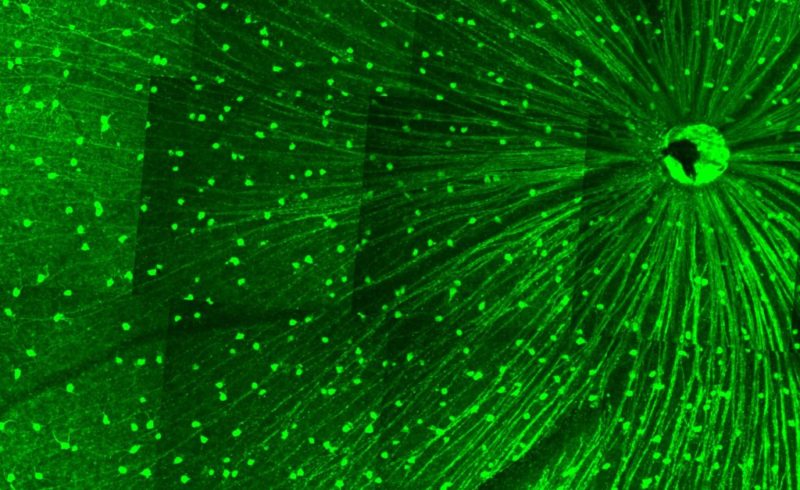
Optic nerve regeneration: One approach doesn’t fit all
Getting a damaged optic nerve to regenerate is vital to restoring vision in people blinded through nerve trauma or disease. A variety of growth-promoting factors have been shown to help the optic nerve’s retinal ganglion cells regenerate their axons, but we are still far from restoring vision. A new study on optic nerve regeneration, published ... Read More about Optic nerve regeneration: One approach doesn’t fit all
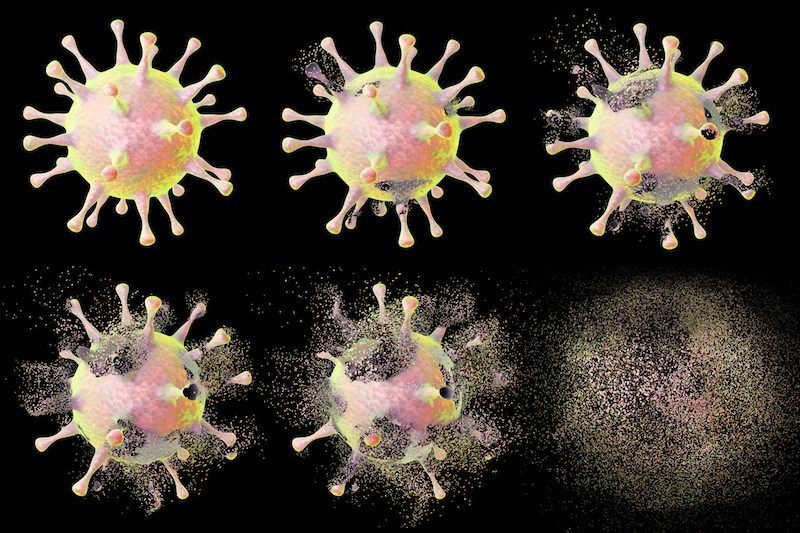
Precision drug delivery systems could ‘trigger’ an age of nanomedicine
What if we could deliver biocompatible nanoparticles into the body and then activate them to release drugs exactly where they are needed, without causing side effects elsewhere? Scientists like Daniel Kohane, MD, PhD, of Boston Children’s Hospital, are developing nanoscale drug delivery systems to do just that, using a variety of materials and triggers that ... Read More about Precision drug delivery systems could ‘trigger’ an age of nanomedicine
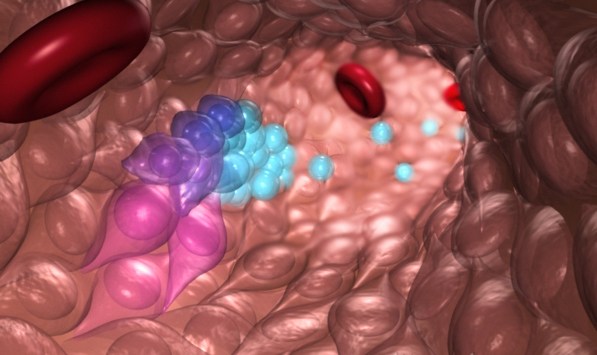
Medical milestone: Making blood stem cells in the lab
Pluripotent stem cells can make virtually every cell type in the body. But until now, one type has remained elusive: blood stem cells, the source of our entire complement of blood cells. Since human embryonic stem cells (ES cells) were isolated in 1998, scientists have tried to get them to make blood stem cells. In ... Read More about Medical milestone: Making blood stem cells in the lab
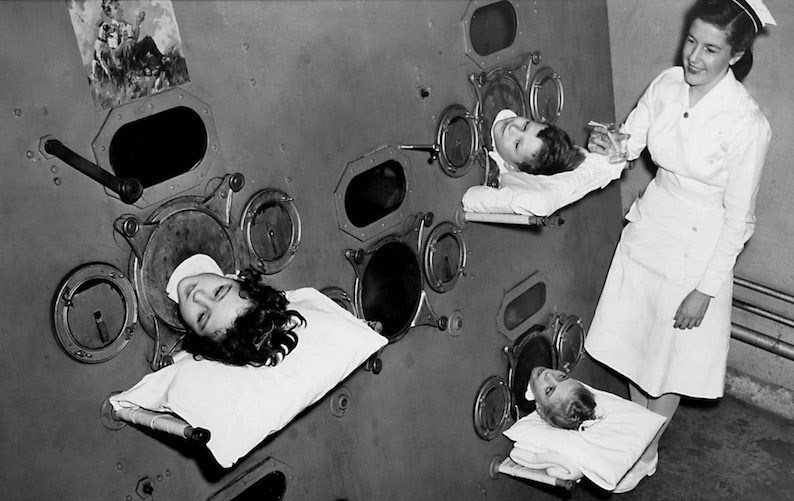
Culture shock: Why poliovirus had to live before it could die
Today, stories of polio may seem like echoes from far-away history to those born after 1979, the year that polio was eradicated in the U.S. Since then, it has been customary for children to receive four doses of the polio vaccine to protect them from ever contracting the terrifying disease also known as “infantile paralysis.” Polio, however, still afflicts people in ... Read More about Culture shock: Why poliovirus had to live before it could die
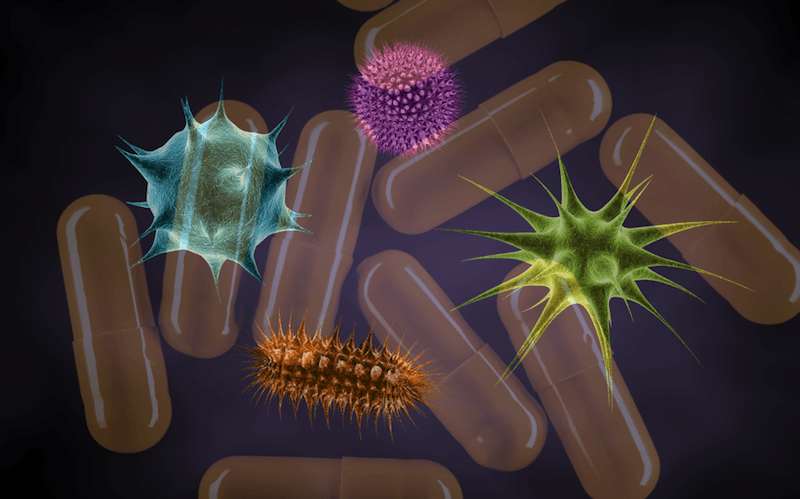
Could fecal transplants heal Crohn’s and colitis in children? Two trials are set to find out
Could an exciting potential treatment for inflammatory bowel disease (IBD) be found in the gastrointestinal tract itself? That’s the theory behind a pair of new studies by Stacy A. Kahn, MD, which will investigate the potential role of fecal microbial transplant (FMT) in the treatment of Crohn’s disease and ulcerative colitis in children. In IBD, the ... Read More about Could fecal transplants heal Crohn’s and colitis in children? Two trials are set to find out

Effective vaccination of newborns: Getting closer to the dream
In many parts of the world, babies have just one chance to be vaccinated: when they’re born. Unfortunately, newborns’ young immune systems don’t respond well to most vaccines. That’s why, in the U.S., most immunizations start at two months of age. Currently, only BCG, polio vaccine and hepatitis B vaccines work in newborns, and the ... Read More about Effective vaccination of newborns: Getting closer to the dream
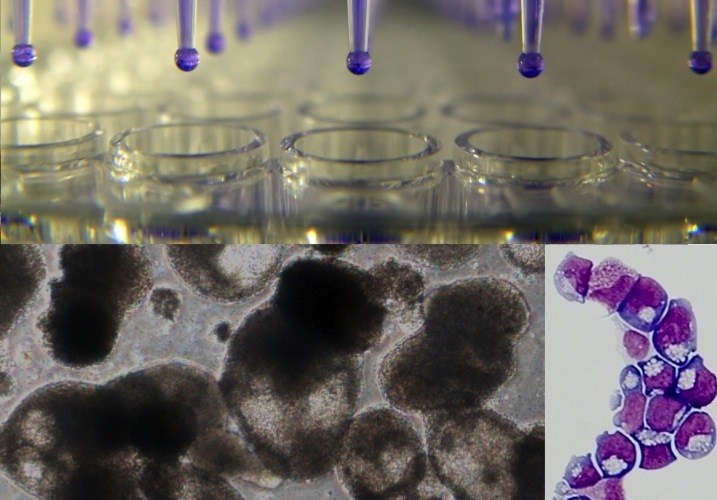
Stem cell workaround cracks open new leads in Diamond Blackfan anemia
Diamond Blackfan anemia (DBA) has long been a disease waiting for a cure. First described in 1938 by Louis K. Diamond, MD, of Boston Children’s Hospital and his mentor, Kenneth Blackfan, MD, the rare, severe blood disorder prevents the bone marrow from making enough red blood cells. It’s been linked to mutations affecting a variety of ... Read More about Stem cell workaround cracks open new leads in Diamond Blackfan anemia

Why I’m tall and you’re short: GIANT effort finds rare, potent height genes
Height is the “poster child” of complex genetic traits, meaning that it’s influenced by multiple genetic variants working together. Because height is easy to measure, it’s a relatively simple model for understanding traits produced by not one gene, but many. “Mastering the complex genetics of height may give us a blueprint for studying multifactorial disorders that have ... Read More about Why I’m tall and you’re short: GIANT effort finds rare, potent height genes

Why I’m tall and you’re short: GIANT effort finds rare, potent height genes
Height is the “poster child” of complex genetic traits, meaning that it’s influenced by multiple genetic variants working together. Because height is easy to measure, it’s a relatively simple model for understanding traits produced by not one gene, but many. “Mastering the complex genetics of height may give us a blueprint for studying multifactorial disorders that have ... Read More about Why I’m tall and you’re short: GIANT effort finds rare, potent height genes