

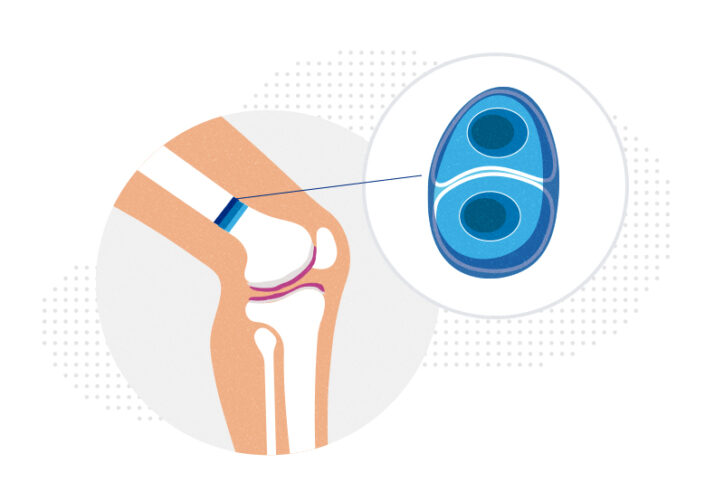
Researchers identify genes that could affect children’s bone growth
Many children anticipate reaching the next number on a measuring stick as they chart their growth. But measurements can be frustrating or stressful for children who have skeletal disorders that prevent bones from growing. Key findings Researchers used genome-wide association studies and CRISPR gene editing to see if alterations to cartilage cells, which are known ... Read More about Researchers identify genes that could affect children’s bone growth

Engineered cartilage could turn the tide for patients with osteoarthritis
About one in seven adults live with degenerative joint disease, also known as osteoarthritis (OA). In recent years, as anterior cruciate ligament (ACL) injury and other joint injuries have become more common among adolescent athletes, a growing number of 20- and 30-somethings have joined the ranks of aging baby boomers living with chronic OA pain. ... Read More about Engineered cartilage could turn the tide for patients with osteoarthritis
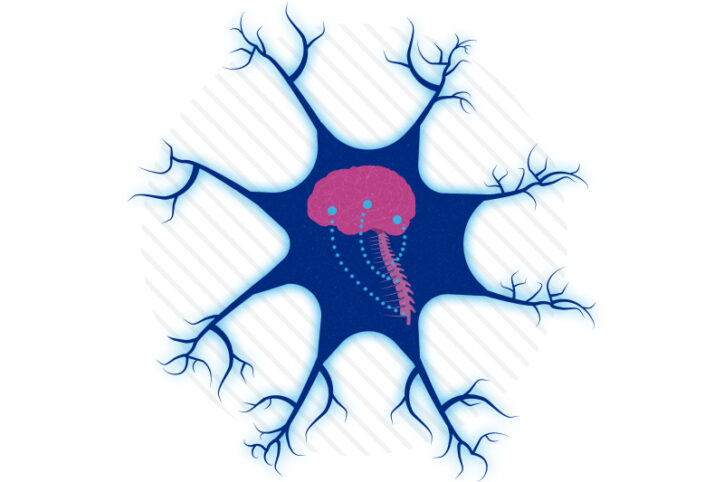
New leads for spinal cord injury: Mapping spinal-projecting neurons in the brain
Only a fraction of people who sustain a spinal cord injury fully regain their motor function. While rehabilitation can help, scientists have long looked for ways to regenerate injured nerve fibers — including, at Boston Children’s Hospital, Zhigang He, PhD, BM. As part of a collaborative effort by the BRAIN Initiative Cell Census Network, which ... Read More about New leads for spinal cord injury: Mapping spinal-projecting neurons in the brain
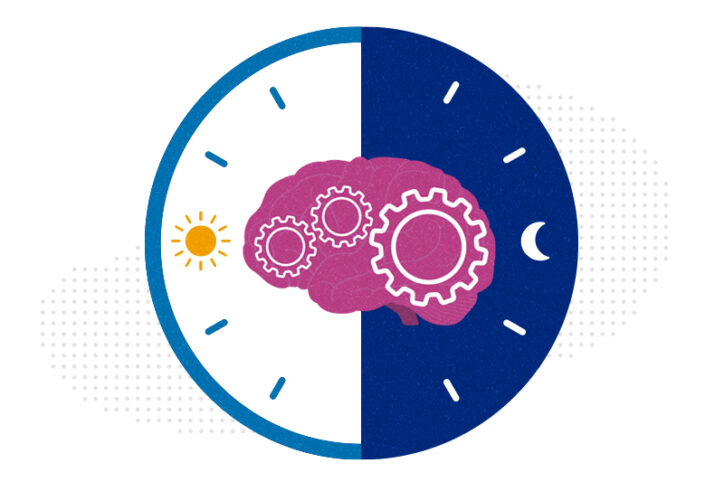
Timing is everything: How circadian rhythms influence our brains
Why are we mentally sharper at certain times of day? A study led by Jonathan Lipton MD, PhD, at Boston Children’s Hospital spells out the relationship between circadian rhythms — the body’s natural day/night cycles — and the brain connections known as synapses. The work is the first to provide a cellular and molecular explanation ... Read More about Timing is everything: How circadian rhythms influence our brains

Naloxone on demand: Shining a light to reverse opioid overdose
Overdose deaths from fentanyl and other opioids are at record highs in the U.S. Naloxone, if delivered soon after an overdose, is proven to be life-saving. It binds to the same brain receptors that opioids use, thereby blocking opioids’ effects. A naloxone nasal spray (Narcan) is now available over the counter, but there are still problems ... Read More about Naloxone on demand: Shining a light to reverse opioid overdose

A new approach to C. diff? Targeting the inflammation, not the bacteria
Clostridium difficile (C. diff) intestinal infections can cause severe, debilitating diarrhea in patients who are hospitalized or on immunosuppressive therapies. The infections can be very hard to eradicate, roaring back when patients try to taper their antibiotics. Many people wind up on antibiotics for months and can become resistant to three or more of them. ... Read More about A new approach to C. diff? Targeting the inflammation, not the bacteria
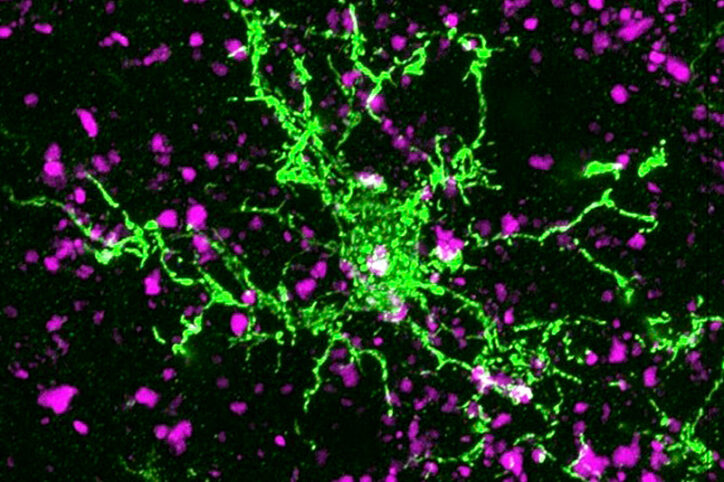
Could we intervene in Huntington’s disease before symptoms appear?
Huntington’s disease is the most common single-gene neurodegenerative disorder and is characterized by motor and cognitive deficits and psychiatric symptoms. Work led by Beth Stevens, PhD, and Dan Wilton, PhD, in the Department of Neurology at Boston Children’s Hospital, now shows that the disease process begins well before symptoms appear. That raises the possibility of ... Read More about Could we intervene in Huntington’s disease before symptoms appear?
Research aims to pinpoint genetic connection between autism and heart disease
Cardiology and neurodevelopmental researchers have more questions than answers about the possible genetic links between congenital heart disease (CHD) and autism spectrum disorder (ASD). A study that’s underway at Boston Children’s aims to pin down those elusive answers by taking a close look at the genetics of children with neurodevelopment and cardiovascular conditions. The researchers want to see ... Read More about Research aims to pinpoint genetic connection between autism and heart disease

Making immunotherapy safe for AML
Acute myeloid leukemia (AML), the second most common leukemia in children, is hard to treat and has a five-year survival rate of just 65 to 70 percent, according to the American Cancer Society. While immunotherapies like monoclonal antibodies or CAR T-cell therapy are effective for certain blood cancers, they have not been possible in AML ... Read More about Making immunotherapy safe for AML

Could the right dietary fat help boost platelet counts?
Aside from transfusions, there currently is no way to boost people’s platelet counts, leaving them at risk for uncontrolled bleeding. Could something as simple as a dietary change raise platelet counts in people with low levels, such as cancer patients receiving chemotherapy? New science out of the lab suggests that the answer might be yes. ... Read More about Could the right dietary fat help boost platelet counts?