


Mending injured hearts: Lessons from newborns?
When the heart is injured, as in a myocardial infarction, the damaged heart muscle cannot regenerate — instead, scar tissue forms. Cardiomyocytes, the heart muscle cells that generate contractile force, are lost for good. Yet, in mouse models, the hearts of newborns regenerate readily after injury. How are newborn hearts able to recover? What are ... Read More about Mending injured hearts: Lessons from newborns?
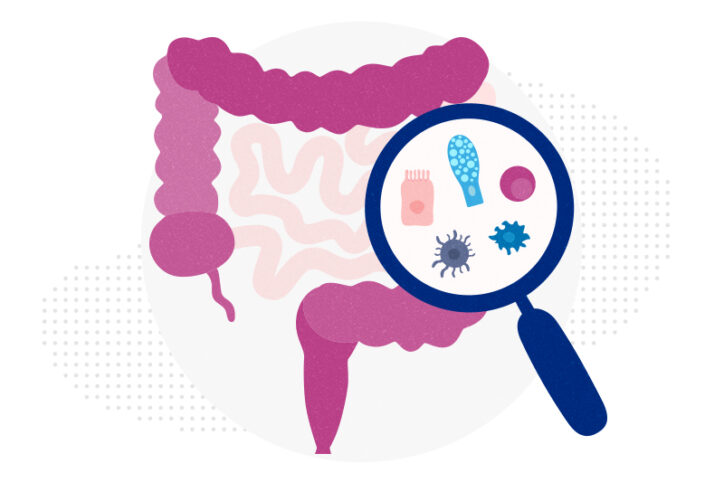
A journey through the intestine during colitis, cell by cell
Inflammatory bowel disease (IBD), causing devastating abdominal pain, persistent diarrhea, and rectal bleeding, is hard to control with current treatments. Children often experience malnutrition and impaired growth. To get a better handle on IBD, researchers at Boston Children’s Hospital and Brigham and Women’s Hospital decided to eavesdrop on happenings in the colon. In the first ... Read More about A journey through the intestine during colitis, cell by cell
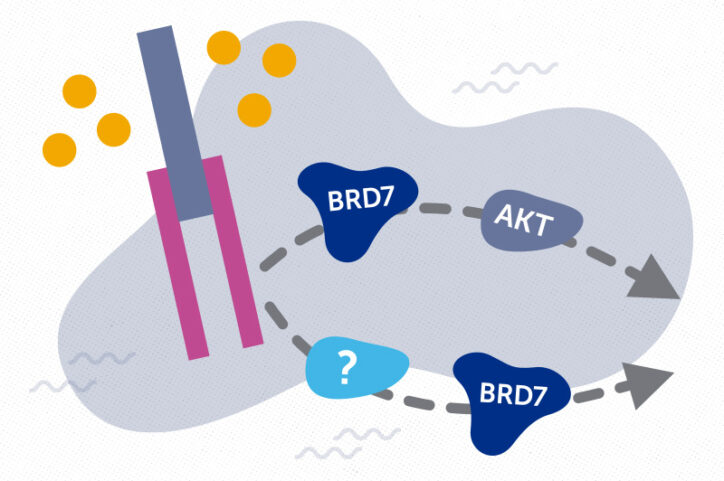
BRD7 research points to alternative insulin signaling pathway
Bromodomain-containing protein 7 (BRD7) was initially identified as a tumor suppressor, but further research has shown it has a broader role in other cellular processes, including the remodeling of chromosomes and cell cycle progression. Now, Boston Children’s Division of Endocrinology researchers have discovered another purpose for BRD7: It seems to be involved in an alternative insulin signaling ... Read More about BRD7 research points to alternative insulin signaling pathway
Genetic variants are found in two types of strabismus, sparking hope for future treatment
Determining how genetics contribute to common forms of strabismus has been a challenge for researchers. Small discoveries are considered meaningful progress. Boston Children’s researchers believe they’ve helped move the needle. They discovered that two types of strabismus — esotropia and exotropia — may have shared genetic risk factors. Duplications on the second, fourth, and tenth chromosomes that ... Read More about Genetic variants are found in two types of strabismus, sparking hope for future treatment

Exploring brain operations: Making decisions, snapping to attention, and forming memories
How do our brains snap to attention and orient us to the outside world — like when we’re sound asleep and the smoke alarm goes off? And when different choices confront us, how does our brain make decisions? Two groups of researchers at Boston Children’s explored these all-important brain operations. The first study, published February ... Read More about Exploring brain operations: Making decisions, snapping to attention, and forming memories

In the genetics of congenital heart disease, noncoding DNA fills in some blanks
Researchers have been chipping away at the genetic causes of congenital heart disease (CHD) for a couple of decades. About 45 percent of cases of CHD have an identifiable cause, including chromosomal abnormalities, genetic variants affecting protein-coding genes, and environmental factors. What about the rest of the cases of CHD? Noncoding DNA elements have long ... Read More about In the genetics of congenital heart disease, noncoding DNA fills in some blanks

Microvillus inclusion disease: From organoids to new treatments
Microvillus inclusion disease (MVID) is a rare type of congenital enteropathy in infants that causes devastating diarrhea and an inability to absorb food. Infants can lose liters of fluid a day, become severely dehydrated, and stop growing. There is no specific treatment. “Until about 10 years ago, 50 percent of kids with MVID would die ... Read More about Microvillus inclusion disease: From organoids to new treatments
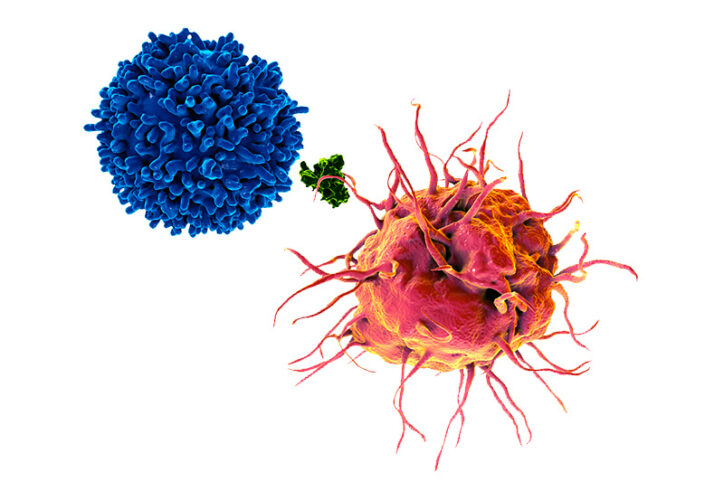
Exposing a tumor’s antigens to enhance immunotherapy
Successful immunotherapy for cancer involves activating a person’s own T cells to attack the tumor. But some tumors have a trick: They hide themselves from the immune system by preventing their antigens from being displayed, a necessary step in activating T cells. In new work published in Science, researchers in the Program in Cellular and ... Read More about Exposing a tumor’s antigens to enhance immunotherapy
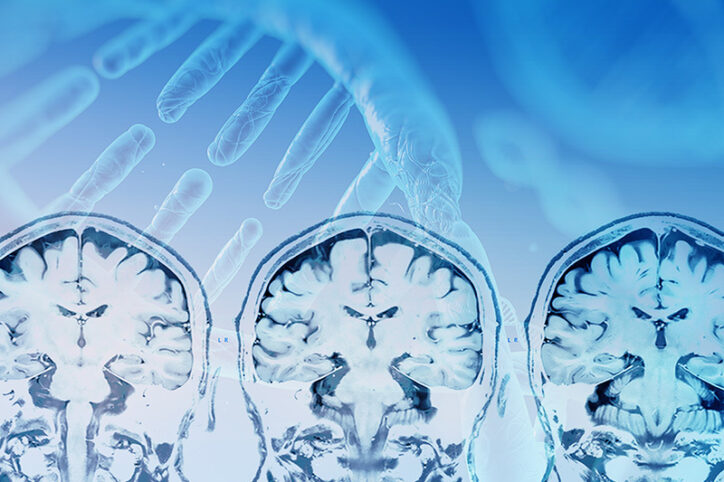
When diagnosis is just the first step: The Brain Gene Registry
Through advances in genetic sequencing, many children with rare, unidentified neurodevelopmental disorders are finally having their mysteries solved. But are they? “Once families receive results of genetic testing, that’s just the beginning of a new journey,” says Maya Chopra, MBBS, FRACP, an investigator with the Rosamund Stone Zander Translational Neuroscience Center at Boston Children’s Hospital. ... Read More about When diagnosis is just the first step: The Brain Gene Registry
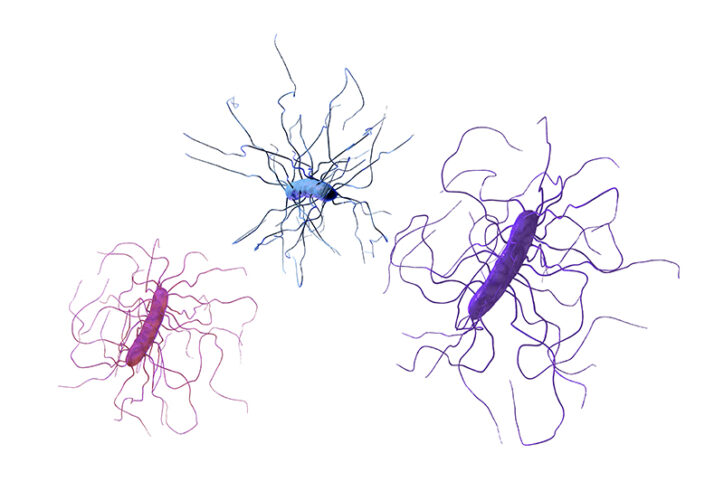
Could a GI bug’s toxin curb hard-to-treat breast cancer?
Clostridium difficile can cause devastating inflammatory gastrointestinal infections, with much of the damage inflicted by a toxin the bug produces. But research from Boston Children’s Hospital suggests that the same toxin could also be a useful tool for curbing highly aggressive triple-negative breast cancers that don’t respond to chemotherapy. Min Dong, PhD, in the Department ... Read More about Could a GI bug’s toxin curb hard-to-treat breast cancer?