

Archive for Nancy Fliesler
Arthritis drug reduces rates of acute graft-vs-host disease after bone marrow transplant
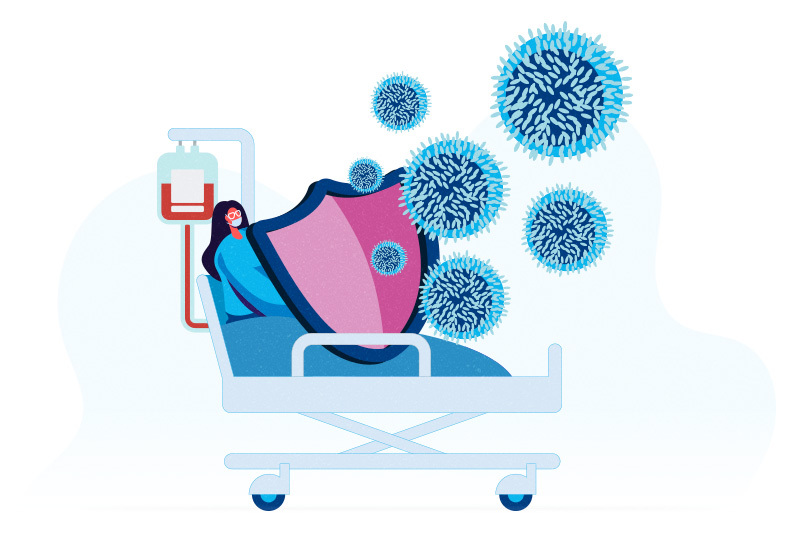
The immune-suppressing drug abatacept, currently used for rheumatoid arthritis, could make bone marrow transplant safer, report researchers at the Dana-Farber/Boston Children’s Cancer and Blood Disorders Center. The phase 2 randomized, multi-center clinical trial, the largest to date, appears in the Journal of Clinical Oncology. Abatacept (brand name ORENCIA) reduced rates of severe, acute graft-versus-host disease ... Read More about Arthritis drug reduces rates of acute graft-vs-host disease after bone marrow transplant
Made-to-order therapies get a boost with new FDA guidelines
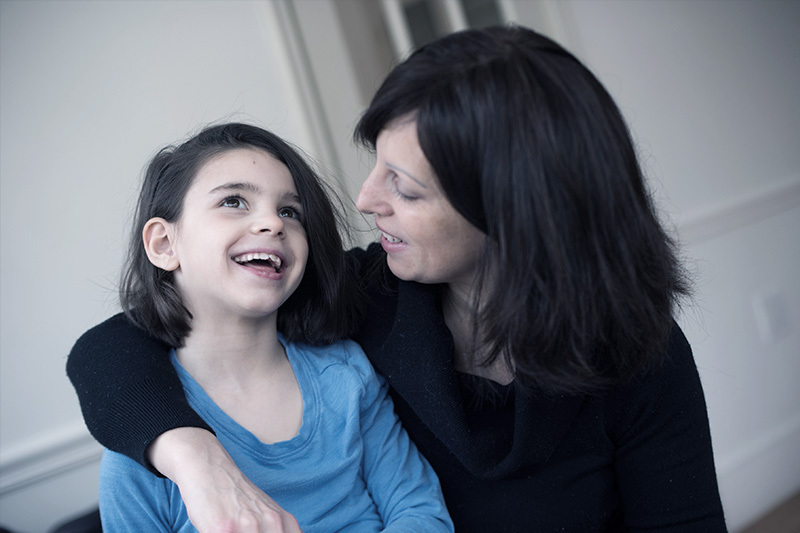
Ed. note: Mila passed away in February, 2021, at age 10. The Mila’s Miracle Foundation continues to work to pave a pathway for personalized treatments. Science-based treatments for rare genetic diseases have burgeoned in the past decade. That includes diseases so rare they affect just a handful of patients — or in some cases, just ... Read More about Made-to-order therapies get a boost with new FDA guidelines

Botulism breakthrough? Taming botulinum toxin to deliver therapeutics
While rare, botulism can cause paralysis and is potentially fatal. It is caused by nerve-damaging toxins produced by Clostridium botulinum — the most potent toxins known. These toxins often lurk in contaminated food (home canning being a major culprit). Infants can also develop botulism from ingesting C. botulinum spores in honey, soil, or dust; the ... Read More about Botulism breakthrough? Taming botulinum toxin to deliver therapeutics
2020, the year COVID-19 tuned us into science: Part 3
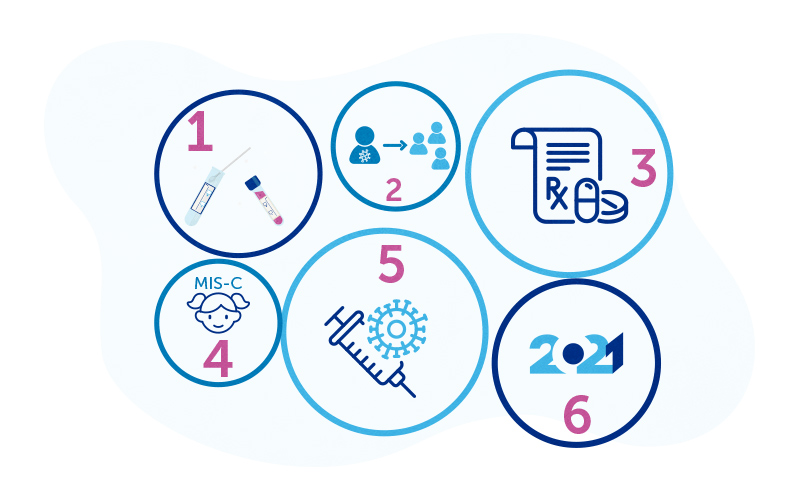
Since the arrival of a new, unknown, dangerous virus in January, we entered the realm of COVID-19 science. Part 1 and Part 2 of this series recapped what we learned about how the virus spreads, how to test for it and treat it, and how COVID-19 plays out in children. This month, vaccines began to be ... Read More about 2020, the year COVID-19 tuned us into science: Part 3
2020, the year COVID-19 tuned us into science: Part 2
Thanks — or no thanks — to COVID-19, 2020 has been a year in which science became a household topic of discussion. Our last post recounted what we collectively learned in the spring: what COVID-19 is, who is at risk, how to test for it. As the year unfolded, there were new lessons to be learned. ... Read More about 2020, the year COVID-19 tuned us into science: Part 2
2020, the year COVID-19 tuned us into science: Part 1
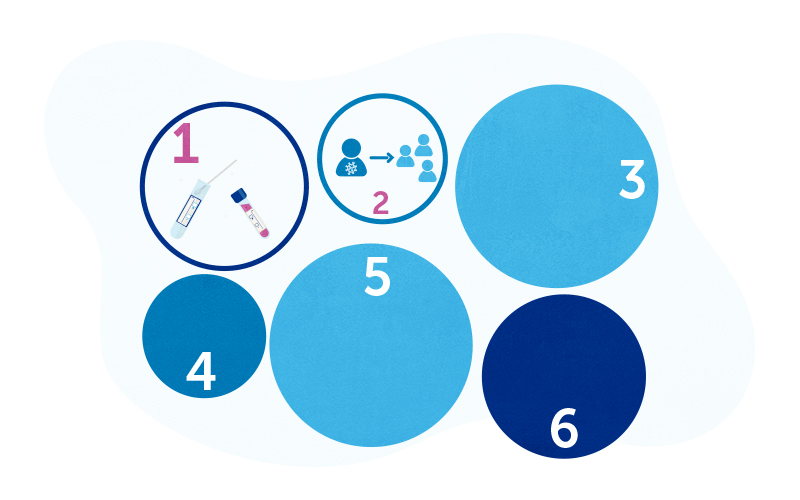
On January 9, the World Health Organization announced a mysterious pneumonia in Wuhan, China. Few people knew it was the threat infectious disease experts had feared for decades: a fast-spreading, potentially deadly new virus with no known cure. As the first images of critically ill patients came out of China and Italy, we watched as ... Read More about 2020, the year COVID-19 tuned us into science: Part 1

New health care data-sharing rule, coming in 2022, has its roots at Boston Children’s Hospital
Are you sick of health care systems not communicating with each other? Do you wish you could access more of your medical information — or your patients’ information — online? Do you ever wonder whether a health pattern you see is part of a larger trend? Two key developments have advanced the vision of seamless, ... Read More about New health care data-sharing rule, coming in 2022, has its roots at Boston Children’s Hospital
After decades of evolution, gene therapy arrives
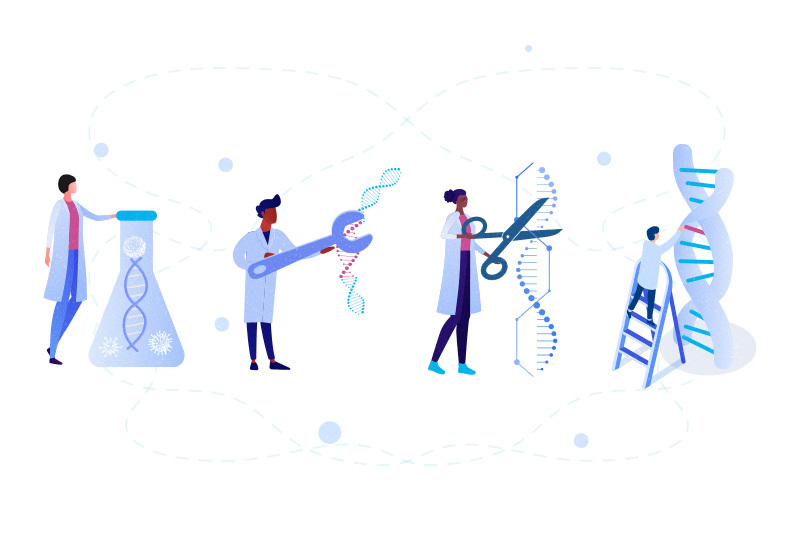
As early as the 1960s, scientists speculated that DNA sequences could be introduced into patients’ cells to cure genetic disorders. In the early 1980s, David Williams, MD, and David Nathan, MD, at Boston Children’s Hospital published the first paper showing one could use a virus to insert genes into blood-forming stem cells. In 2003, the ... Read More about After decades of evolution, gene therapy arrives
How does the placenta protect unborn babies from COVID-19?
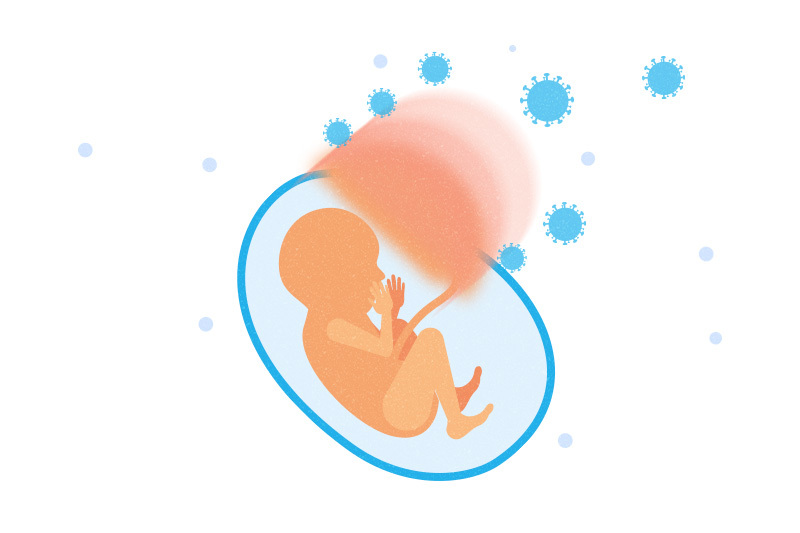
Evidence has shown that pregnancy is a risk factor for severe illness in women with COVID-19. A recent CDC study reviewed case reports of approximately 400,000 women aged 15 to 44 with symptomatic COVID-19. Those who were pregnant had a roughly tripled likelihood of ICU admission and invasive ventilation and 70 percent higher mortality. Yet ... Read More about How does the placenta protect unborn babies from COVID-19?
Tough yet flexible: Biologically inspired adhesive may improve fetal surgery
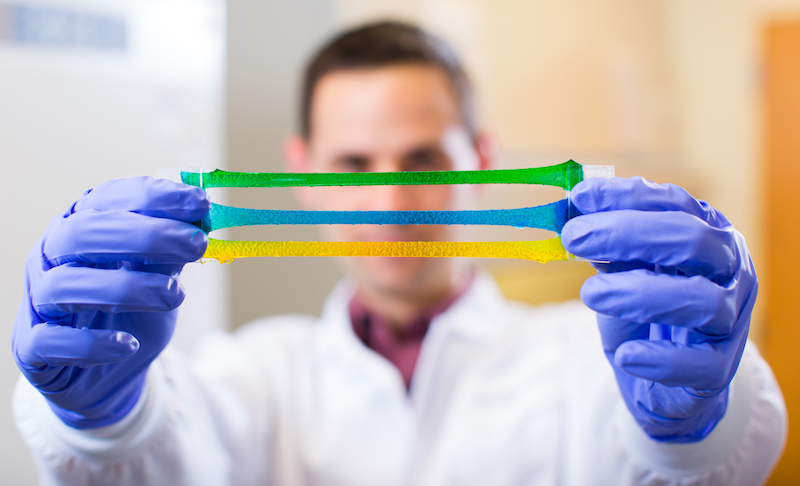
In children with spina bifida, the neural tube that forms the spinal cord and brain doesn’t close during early prenatal development. That leaves the nerves of the spinal cord exposed to potential damage from fetal movement and the surrounding amniotic fluid. While surgeons can repair spina bifida soon after birth, the ideal would be to ... Read More about Tough yet flexible: Biologically inspired adhesive may improve fetal surgery