

Research
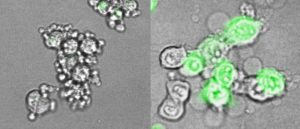
Gasdermin E: A new approach to cancer immunotherapy
Tumors have figured out various ways to prevent the immune system from attacking them. Medicine, for its part, has fought back with cancer immunotherapy. The major approach uses checkpoint inhibitors, drugs that help the immune system recognize cancer cells as foreign. Another method, CAR T-cell therapy, directly engineers peoples’ T cells to efficiently recognize cancer ... Read More about Gasdermin E: A new approach to cancer immunotherapy
Research
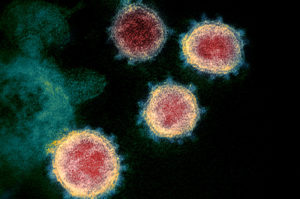
Designing a coronavirus vaccine for next year – and the years beyond
As the number of coronavirus infections swell daily across the globe, strategies for developing a safe and effective vaccine are rapidly moving forward. In response to this public health crisis, the Precision Vaccines Program (PVP) at Boston Children’s Hospital is on the front lines of developing a coronavirus vaccine targeted especially toward older populations, those ... Read More about Designing a coronavirus vaccine for next year – and the years beyond
Research
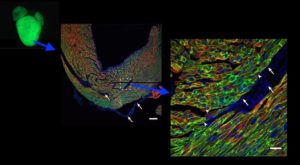
Gene therapy reverses heart failure in mouse model of Barth syndrome
Barth syndrome is a rare metabolic disease caused by mutation of a gene called tafazzin or TAZ. It can cause life-threatening heart failure and also weakens the skeletal muscles, undercuts the immune response, and impairs overall growth. Because Barth syndrome is X-linked, it almost always occurs in boys. There is no cure or specific treatment. ... Read More about Gene therapy reverses heart failure in mouse model of Barth syndrome
Health and Parenting

The new coronavirus: Answers to your questions
As the new coronavirus, COVID-19, continues to spread across the world, people are becoming increasingly concerned about how to keep their families safe. To address these concerns, we sat down with Dr. Thomas Sandora from the Division of Infectious Diseases at Boston Children’s Hospital to get answers to some of the most pressing questions. Do we need to ... Read More about The new coronavirus: Answers to your questions
Research
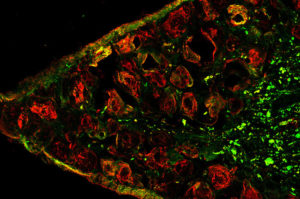
Mouse model could lead to new treatments for endometriosis pain
There are few effective long-term treatments for endometriosis; even fewer options for relieving the often severe pain associated with the condition, which involves tissue overgrowth outside of the uterus. As a first step toward identifying new pain treatments, researchers in the laboratory of Michael Rogers, PhD, in the Vascular Biology Program at Boston Children’s Hospital, ... Read More about Mouse model could lead to new treatments for endometriosis pain
Research
Mouse/human model provides new way to study neuroblastoma
Neuroblastoma is a rare childhood cancer affecting about 800 children each year in the United States. Because of its unusual behavior — tumors in infants often disappear spontaneously without treatment while it can be aggressive and fatal in toddlers — studying the disease has been complicated. That may change with a new research tool: a ... Read More about Mouse/human model provides new way to study neuroblastoma
Health and Parenting

What’s it like to have an endoscopy?
If your child has symptoms of gastroesophageal reflux or celiac disease, has been diagnosed with esophageal atresia, or has another condition that affects their upper gastrointestinal (GI) tract, their clinician may recommend an upper endoscopy. In this procedure, the doctor passes a long, thin, flexible tube with a light on the end through your child’s ... Read More about What’s it like to have an endoscopy?
Research
S1P and its receptor: New approaches to cancer?
In 1998, when Timothy Hla, PhD, and his colleagues identified and cloned the receptor for sphingosine-1-phosphate (S1P), it generated a lot of excitement. S1P, a lipid originally discovered in the 1960s, was known to play various roles in the body and in disease. But it wasn’t thought that lipids could have receptors, and it wasn’t ... Read More about S1P and its receptor: New approaches to cancer?
Our Community

Provider Spotlight: Meet Rebecca Stevens
Rebecca Stevens is a pediatric nurse practitioner in the Brain Injury Center at Boston Children’s Hospital. She’s worked at Boston Children’s for almost seven years. What’s your job at Boston Children’s? As a nurse practitioner in the neurology clinic, I mostly see patients who have sustained a concussion or brain injury. I help with ... Read More about Provider Spotlight: Meet Rebecca Stevens
Patient Stories

I never thought this would happen to our son
On June 16, 2019, our 4-year-old son, Evan, fell off a jungle gym at daycare. At first, his daycare provider thought he was fine. He got right up and seemed to recover. She called me and we agreed to watch him to see if there were any changes. A couple hours later, Evan started throwing ... Read More about I never thought this would happen to our son