


Tracking the elusive genes that cause strabismus
Strabismus is a common condition in which the eyes do not align properly, turning inward, outward, upward or downward. Two to four percent of children have some form of it. Some cases can be treated with glasses or eye patching; other cases require eye muscle surgery. But the treatments don’t address the root causes of strabismus, which ... Read More about Tracking the elusive genes that cause strabismus
Safety trial of algal anesthetic kicks off
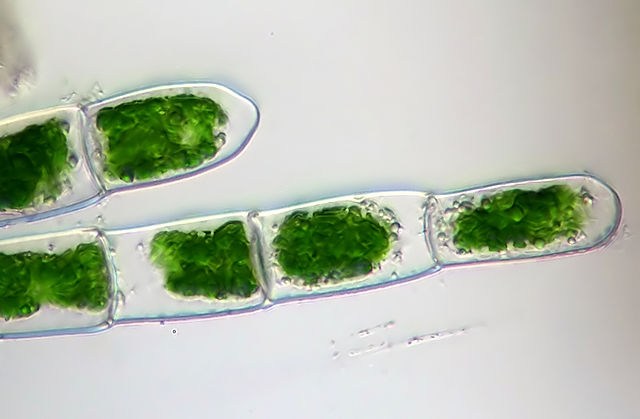
Two years ago, we told the story of the quest of Charles Berde, MD, PhD, of Boston Children’s Division of Pain Medicine, to turn an algal toxin called neosaxitoxin into a long-lasting local anesthetic. At that time, Berde—together with Alberto Rodríguez-Navarro, MD, from Padre Hurtado Hospital in Santiago, Chile, and a Chilean company called Proteus SA—already knew that ... Read More about Safety trial of algal anesthetic kicks off
A perfect genetic hit: New gene mutation implicated in rare congenital diarrhea
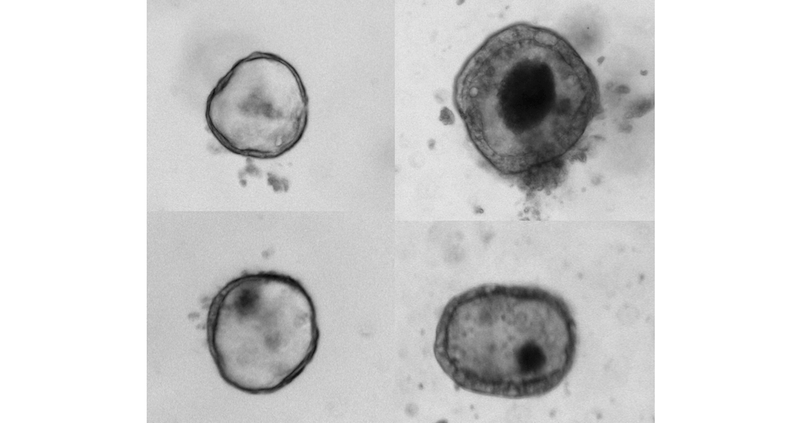
When the 1-year-old boy arrived from overseas, he was relying on total parenteral nutrition — a way of bypassing the digestive system to provide nutrients and calories completely intravenously — to survive. From the time of his birth, he had experienced unexplainable diarrhea. Answers were desperately needed. Sequencing his genes in search of clues, neonatologists ... Read More about A perfect genetic hit: New gene mutation implicated in rare congenital diarrhea
“Teenage” red blood cells could hold the key to a malaria vaccine
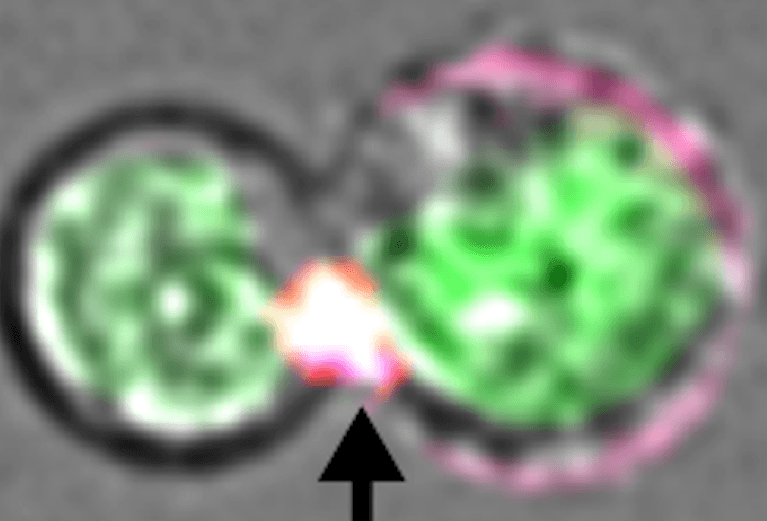
Malaria parasite infection, which affects our red blood cells, can be fatal. Currently, there are about 200 million malaria infections in the world each year and more than 400,000 people, mostly children, die of malaria each year. Now, studying blood samples from patients treated for malaria at a clinical field station in Brazil’s Amazon jungle, ... Read More about “Teenage” red blood cells could hold the key to a malaria vaccine
Inhibiting inhibitory neurons gets mice with spinal cord injury to walk again
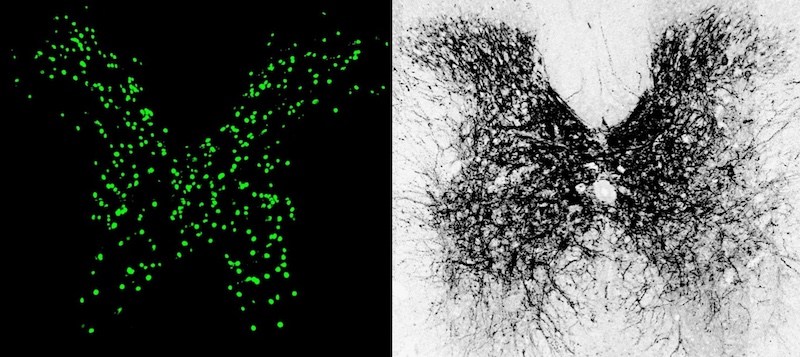
Most people with spinal cord injury are paralyzed from the injury site down, even when the cord isn’t completely severed. Why don’t the spared portions of the spinal cord keep working, allowing at least some movement? A new study just published online by Cell provides insight into why these nerve pathways remain quiet. Most intriguingly, it shows that ... Read More about Inhibiting inhibitory neurons gets mice with spinal cord injury to walk again

A huge leap for cloning
Animal cloning, the creation of a genetically identical copy of an individual organism, holds promise for many different reasons, including its use to conserve endangered species and to improve our understanding of developmental biology, which could eventually help us prevent or reverse developmental disorders from the get-go. Although more than 20 species of animals have ... Read More about A huge leap for cloning
Getting a grip on genetic loops
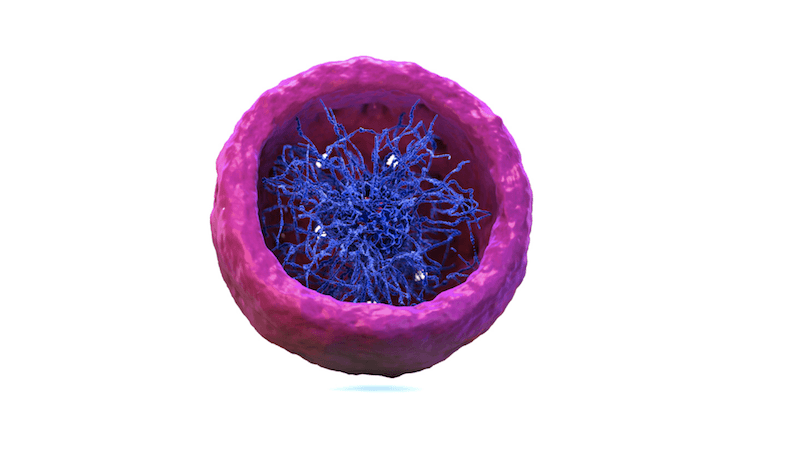
A new discovery about the spatial orientation and physical interactions of our genes provides a promising step forward in our ability to design custom antibodies. This, in turn, could revolutionize the fields of vaccine development and infection control. “We are beginning to understand the full biological impact that the physical structure and movement of our ... Read More about Getting a grip on genetic loops
Solving the DIPG puzzle a single cell at a time
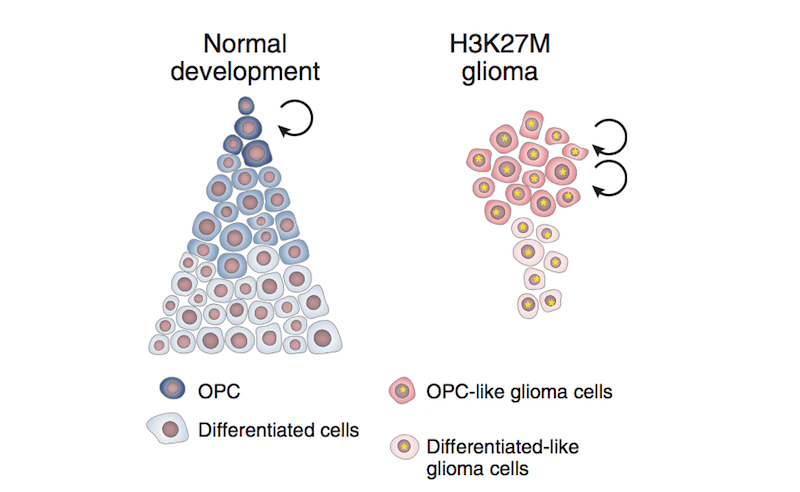
For more than 15 years, pediatric neuro-oncologist Mariella Filbin, MD, PhD, has been on a scientific crusade to understand DIPG (diffuse intrinsic pontine glioma). She hopes to one day be able to cure a disease that has historically been thought of as an incurable type of childhood brain cancer. “While I was in medical school, I ... Read More about Solving the DIPG puzzle a single cell at a time
Trial shows chemotherapy is helping kids live with pulmonary vein stenosis
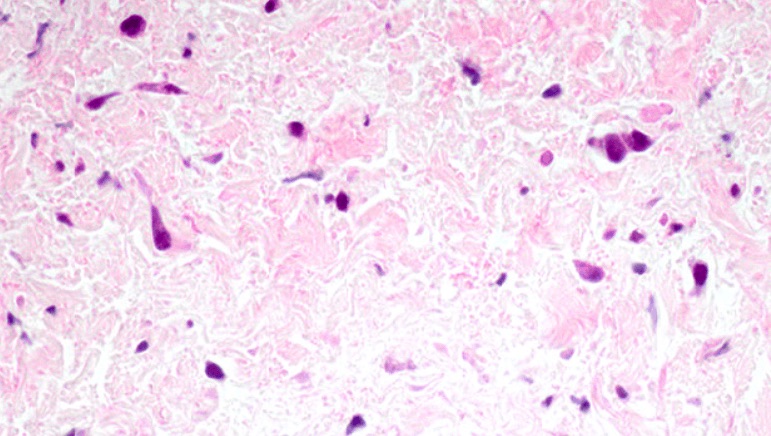
Pulmonary vein stenosis (PVS) is a rare disease in which abnormal cells build up inside the veins responsible for carrying oxygen-rich blood from the lungs to the heart. It restricts blood flow through these vessels, eventually sealing them off entirely if left untreated. Typically affecting young children, the most severe form of PVS progresses very quickly ... Read More about Trial shows chemotherapy is helping kids live with pulmonary vein stenosis
Science Seen: An intestinal toxin’s trick, a potential cancer fighter
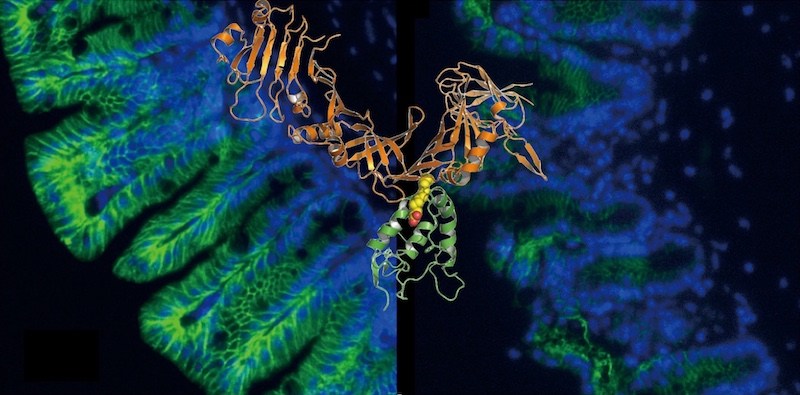
Clostridium difficile, also called “C. diff,” causes severe gastrointestinal tract infections and tops the CDC’s list of urgent drug-resistant threats. In work published in Nature in 2016, Min Dong, PhD, and colleagues found the elusive portal that enables a key C. diff toxin, toxin B, to enter the intestines’ outer cells and break down the ... Read More about Science Seen: An intestinal toxin’s trick, a potential cancer fighter