

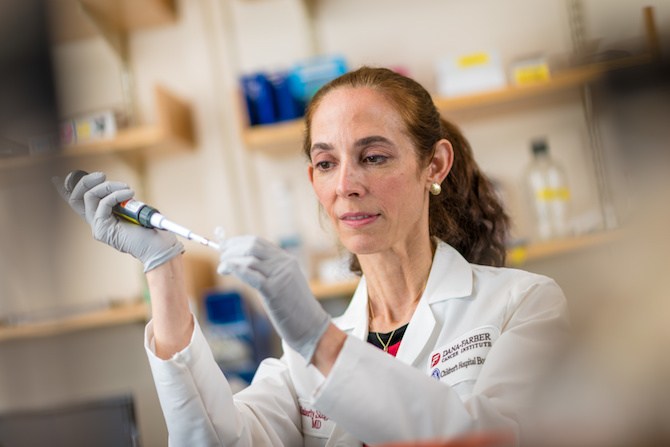
CRISPR-Cas9 screen opens new targets for Ewing sarcoma, other childhood cancers
While the genetic mutations driving adult cancers can sometimes be targeted with drugs, most pediatric cancers lack good targets. That’s because their driving genetic alterations often create fusion proteins that aren’t easy for drugs to attack. “This is one reason why it is notoriously hard to make targeted drugs against childhood cancers — their cancer-promoting ... Read More about CRISPR-Cas9 screen opens new targets for Ewing sarcoma, other childhood cancers
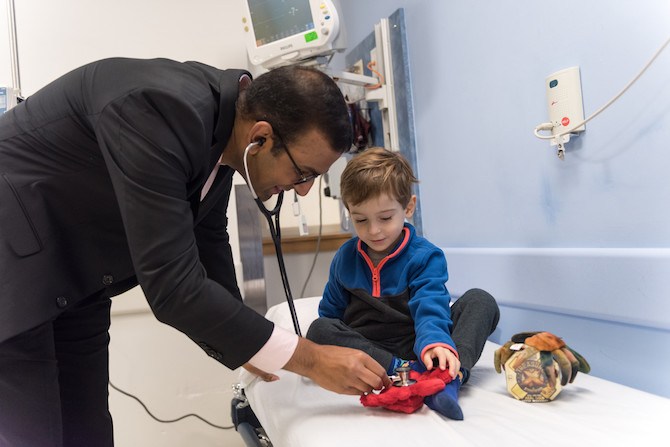
After 80 years, genetic causes of Diamond-Blackfan anemia come into view
In 1938, Louis K. Diamond, MD, and Kenneth Blackfan, MD, at Boston Children’s Hospital described a severe congenital anemia that they termed “hypoplastic” (literally, “underdeveloped”) because of the bone marrow’s inability to produce mature, functioning red blood cells. Eighty years later, the multiple genetic origins of this highly rare disease, now known as Diamond-Blackfan anemia, or ... Read More about After 80 years, genetic causes of Diamond-Blackfan anemia come into view
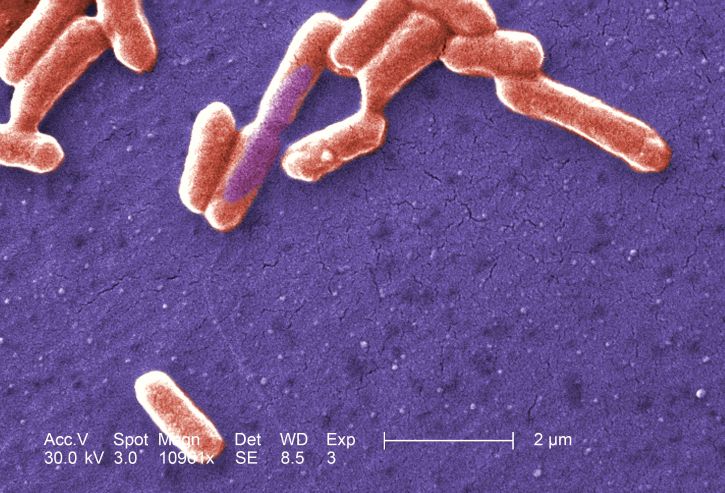
New angles for blocking Shiga and ricin toxins, and new light on an iconic biological process
Min Dong, PhD, and his lab are world experts in toxins and how to combat them. They’ve figured out how Clostridium difficile’s most potent toxin gets into cells and zeroed in on the first new botulinum toxin identified since 1969. Now, they’ve set their sights on Shiga and ricin toxins, and not only identified new potential lines of defense, ... Read More about New angles for blocking Shiga and ricin toxins, and new light on an iconic biological process

Reviving fetal hemoglobin in sickle cell disease: First patient is symptom-free
Manny Johnson of Boston, 21, previously required monthly blood transfusions to keep his severe sickle cell disease under control. After receiving a new gene therapy treatment, he’s been symptom-free for six months. Researchers at the Dana-Farber/Boston Children’s Cancer and Blood Disorders Center reported Manny’s case Saturday at the American Society of Hematology meeting in San Diego. Manny ... Read More about Reviving fetal hemoglobin in sickle cell disease: First patient is symptom-free

Study sounds another warning about proton pump inhibitors
A new study adds to growing concerns about a class of drugs frequently prescribed to suppress stomach acid in patients with gastroesophageal reflux disease (GERD). Previous research has linked the use of proton pump inhibitors (PPIs) to an increased risk of various pulmonary and gastrointestinal infections in both adults and children. Patients treated with PPIs ... Read More about Study sounds another warning about proton pump inhibitors
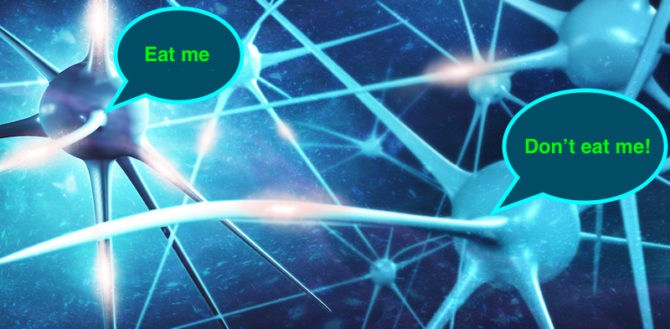
Synapse ‘protection’ signal found; helps to refine brain circuits
The developing brain is constantly forming new connections, or synapses, between nerve cells. Many connections are eventually lost, while others are strengthened. In 2012, Beth Stevens, PhD and her lab at Boston Children’s Hospital showed that microglia, immune cells that live in the brain, prune back unwanted synapses by engulfing or “eating” them. They also ... Read More about Synapse ‘protection’ signal found; helps to refine brain circuits

Creating custom brains from the ground up
Scientists studying how genetics impact brain disease have long sought a better experimental model. Cultures of genetically-modified cell lines can reveal some clues to how certain genes influence the development of psychiatric disorders and brain cancers. But such models cannot offer the true-to-form look at brain function that can be provided by genetically-modified mice. Even ... Read More about Creating custom brains from the ground up

Earlier treatment may help reverse autism-like behavior in tuberous sclerosis
New research on autism has found, in a mouse model, that drug treatment at a young age can reverse social impairments. But the same intervention was not effective at an older age. The study is the first to shed light on the crucial timing of therapy to improve social impairments in a condition associated with ... Read More about Earlier treatment may help reverse autism-like behavior in tuberous sclerosis

In zebrafish, a way to find new cancer therapies, targeting tumor promoters
The lab of Leonard Zon, MD, has long been interested in making blood stem cells in quantity for therapeutic purposes. To test for their presence in zebrafish, their go-to research model, they turned to the MYB gene, a marker of blood stem cells. To spot the cells, Joseph Mandelbaum, a PhD candidate in the lab, attached a fluorescent ... Read More about In zebrafish, a way to find new cancer therapies, targeting tumor promoters
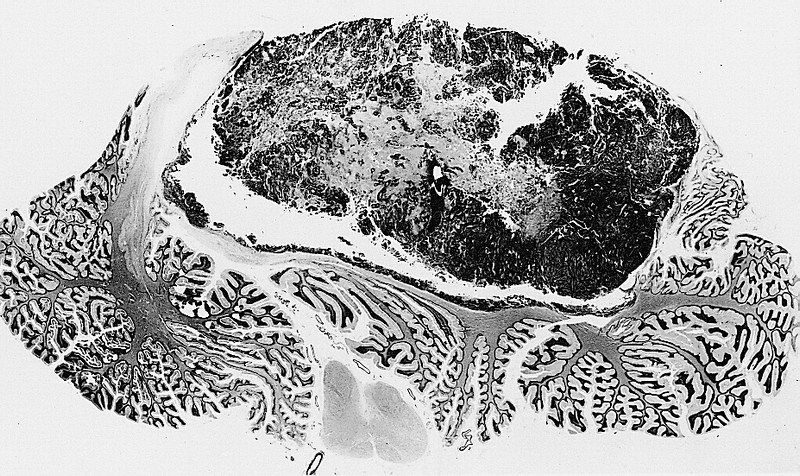
Typing medulloblastoma: From RNA to proteomics and phospho-proteomics
Medulloblastoma is one of the most common pediatric brain tumors, accounting for nearly 10 percent of cases. It occurs in the cerebellum, a complex part of the brain that controls balance, coordination and motor function and regulates verbal expression and emotional modulation. While overall survival rates are high, current therapies can be toxic and cause secondary ... Read More about Typing medulloblastoma: From RNA to proteomics and phospho-proteomics