

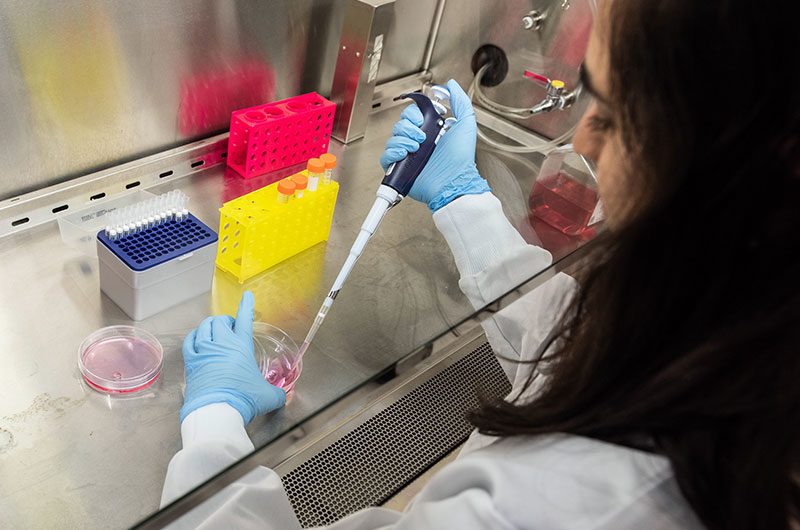
100 years after the advent of TB vaccines, formulations vary widely
Each year, more than 100 million newborns around the world receive vaccinations against Mycobacterium tuberculosis, or TB, which infects about one-quarter of the world’s population. Facilities across the world produce several different formulations of these vaccines, known as Bacille Calmette-Guérin (BCG) vaccines. These are given interchangeably, yet new research from the Precision Vaccines Program at ... Read More about 100 years after the advent of TB vaccines, formulations vary widely
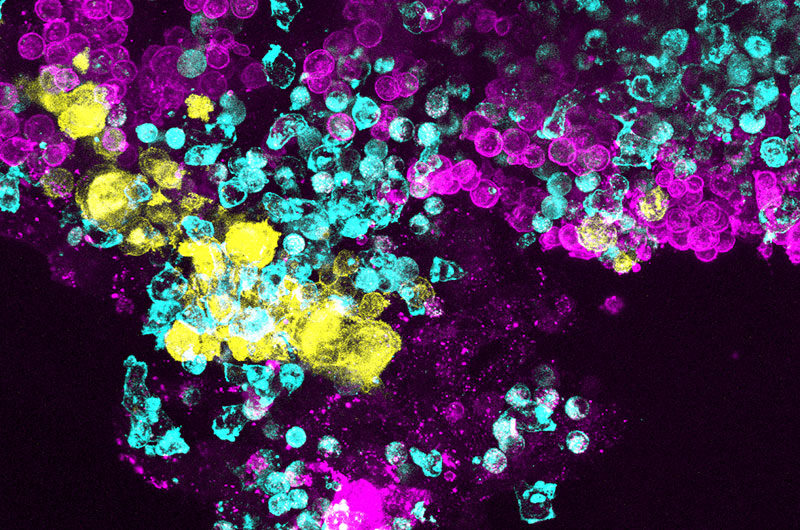
Bone marrow-on-a-chip provides new research directions for Shwachman-Diamond syndrome
A new research tool that mimics the behavior of diseased bone marrow provides a new strategy for understanding the bone marrow disease, Shwachman-Diamond syndrome (SDS), and hopefully, developing new treatments. With SDS, bone marrow fails to produce blood cells normally, leading to bone marrow failure and an increased risk of leukemia. In a research paper ... Read More about Bone marrow-on-a-chip provides new research directions for Shwachman-Diamond syndrome
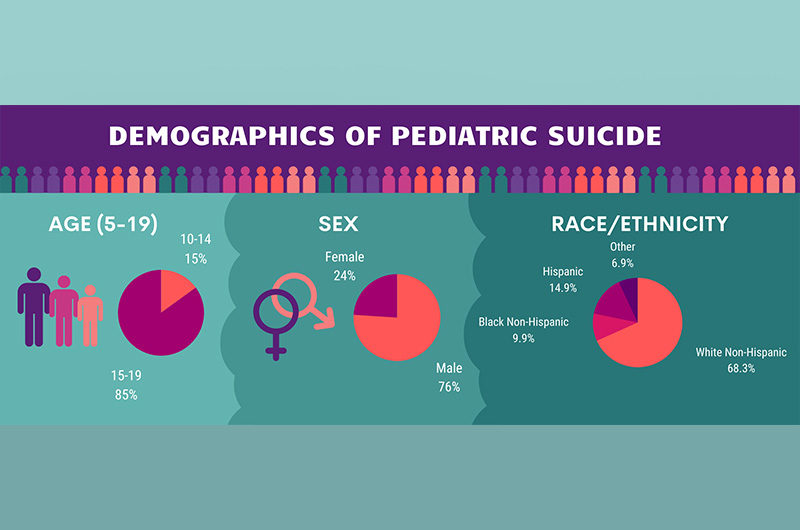
Poverty associated with suicide risk in children and adolescents
Suicide in children under age 20 has been increasing in the U.S., with rates almost doubling over the last decade. Between 2007 to 2016, nearly 21,000 children ages 5-19 years old died by suicide. While the reasons for the increase are not well understood, new research from Boston Children’s Hospital shows a link between poverty ... Read More about Poverty associated with suicide risk in children and adolescents

Dysmotility may play a major role in respiratory symptoms
Clinicians whose patients exhibit respiratory symptoms frequently assume that gastroesophageal reflux disease (GERD) is responsible. However, esophageal and gastric dysmotility may be more significant factors in respiratory disease than GERD alone, according to a recent review by Rachel Rosen, MD, MPH, and Samuel Nurko, MD, MPH. The paper, published in Current Treatment Options in Pediatrics, ... Read More about Dysmotility may play a major role in respiratory symptoms
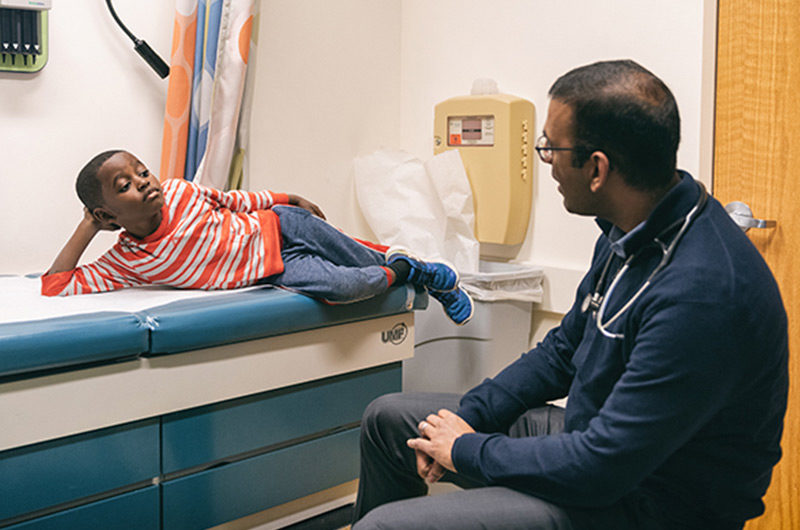
Decoding sickle cell disease offers new outlook for Lamarcus
When Lamarcus Jean visits the Hematology Clinic at Dana-Farber/Boston Children’s Cancer and Blood Disorders Center, he makes himself right at home. The 6-year-old, whom his mom, Stephanie, describes as “wise beyond his years,” has been a patient here since he was born. Lamarcus has sickle cell disease, an inherited blood disorder caused by a mutation ... Read More about Decoding sickle cell disease offers new outlook for Lamarcus

Study: Tool for thyroid nodule evaluation misses thyroid cancers in children
A thyroid nodule is a solid or fluid-filled lump that forms within the thyroid gland. Most thyroid nodules that develop in children are benign and don’t cause symptoms. However, about 20 percent of these nodules do represent a pediatric thyroid cancer, making careful evaluation key to detection. The American College of Radiology Thyroid Imaging, Reporting, ... Read More about Study: Tool for thyroid nodule evaluation misses thyroid cancers in children
PICU Up! Program aims to increase mobility in ICUs
For decades, clinicians believed the most appropriate care for critically ill pediatric patients was sedation and rest. But in recent years, the tides have changed. Studies in adults have shown that sedation and immobility lead to increased mortality and morbidity, longer stays in the intensive care unit (ICU), increased risk of ICU delirium, and a ... Read More about PICU Up! Program aims to increase mobility in ICUs

Survivors of childhood cancer are living longer
Childhood cancer survivorship has improved dramatically over the past 50 years as new therapies have been discovered. Today, more than 80 percent of children and adolescents diagnosed with cancer can expect to live five years or more. But what about long term? An analysis led by Jennifer Yeh, PhD, of Boston Children’s Hospital and Lisa ... Read More about Survivors of childhood cancer are living longer
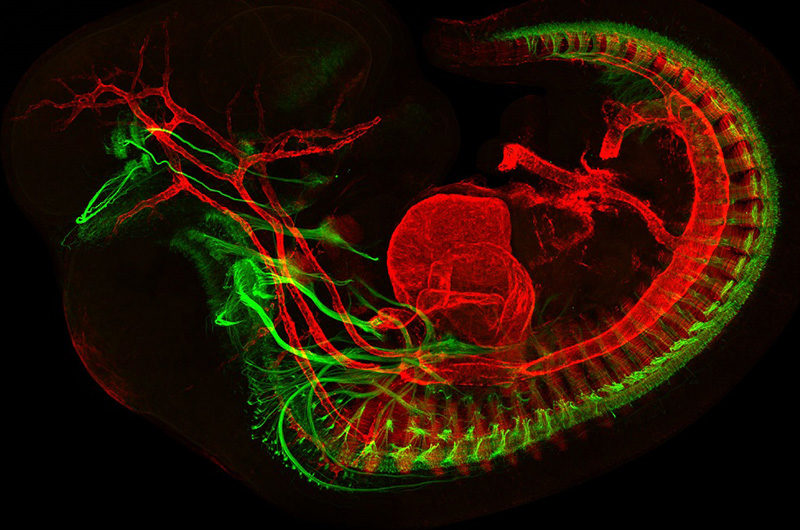
The Beauty of the Brain
Every year, the Harvard Brain Science Initiative sponsors its Beauty of the Brain contest. This year, two Boston Children’s Hospital images are among the six winners drawn from a pool of forty submissions. Above, Mary Whitman, MD, PhD, and Jess Bell, from the laboratory of Elizabeth Engle, MD, developed this image of a developing mouse ... Read More about The Beauty of the Brain
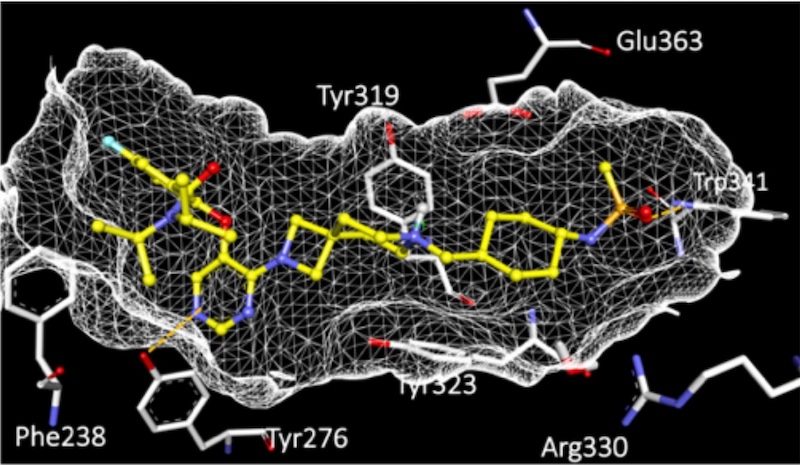
Targeted small-molecule agent shows early promise against a dangerous infant leukemia
Leukemias involving reshuffling or rearrangement of the mixed lineage leukemia (MLL) gene, known as MLL-rearranged or MLL-r leukemias, account for 70 to 80 percent of acute leukemias in infants under one year old. In these blood cancers, a subset of acute myeloid and acute lymphoid leukemias (AML and ALL), the MLL gene breaks and reattaches ... Read More about Targeted small-molecule agent shows early promise against a dangerous infant leukemia