

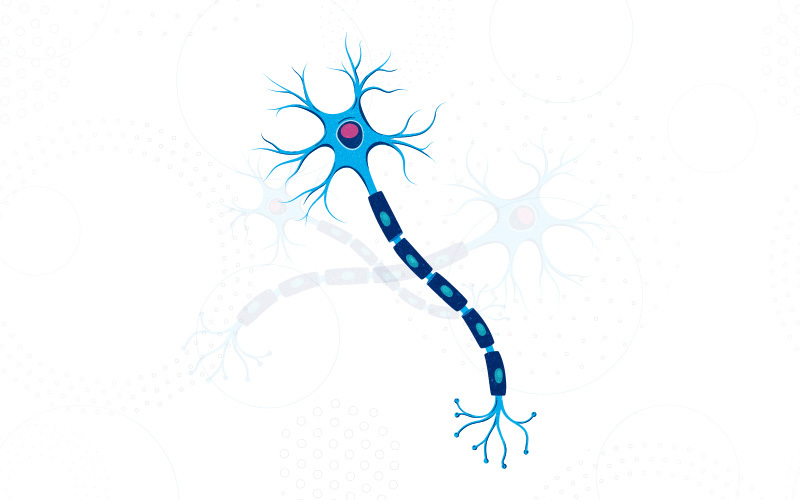
New technique yields potential treatment for a common cause of autism
Since 2008, we have known that the 16p11.2 chromosomal region is linked with autism spectrum disorder (ASD). Now, researchers from Boston Children’s have developed a new way to study the effects of 16p11.2 deletion in human neurons. In the process, they also found a potential treatment, possibly expanding the therapeutic options for this specific cause ... Read More about New technique yields potential treatment for a common cause of autism
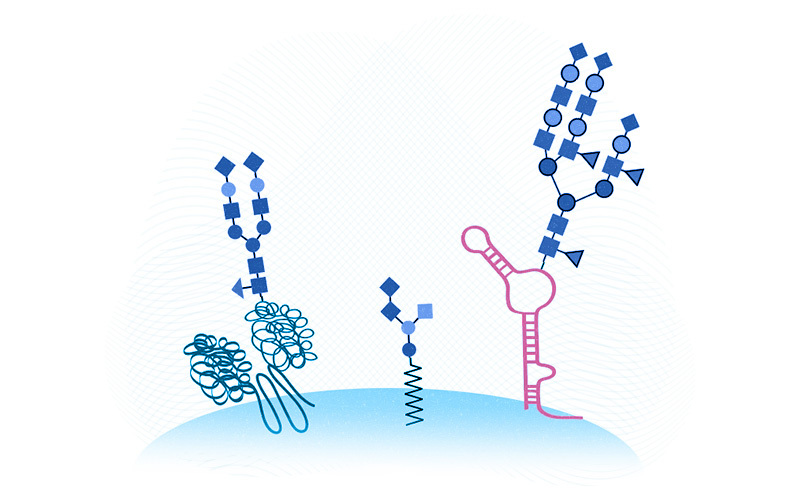
When worlds collide: Glycosylated RNAs upend cell biology as we know it
Cells in our body bristle with sugars known as glycans that other cells can recognize via specialized receptors. Glycans attach to and modify proteins and fats, thereby influencing how proteins fold, how cues are trafficked between cells, and other cell-to-cell interactions. As just one example of glycans’ importance, our blood types (A, B, O) depend ... Read More about When worlds collide: Glycosylated RNAs upend cell biology as we know it

Study links urinary incontinence in female athletes to low energy availability
Urinary incontinence (UI) is a common experience for female athletes that can significantly impact their enjoyment of and participation in sports. Previous studies have shown that female athletes who experience urinary incontinence are more likely to drop out of their sports. Noting a large number of female athletes presenting with urinary incontinence, physicians in the ... Read More about Study links urinary incontinence in female athletes to low energy availability

Teaming up to fast track a novel gene therapy for Diamond-Blackfan anemia
Looking at Lindsay Krieg, it’s impossible to tell she has spent her entire 29 years in an out of hospitals managing a rare blood disorder. “It’s routine for me,” she says. “It’s all I’ve ever known.” Diamond-Blackfan anemia (DBA) prevents Lindsay’s bone marrow from producing the red blood cells essential for carrying oxygen from her ... Read More about Teaming up to fast track a novel gene therapy for Diamond-Blackfan anemia

Groundbreaking research identifies noninvasive biomarker for moyamoya in children
Moyamoya is a rare blood vessel condition that has an outsized impact on children, as it is responsible for about 6 percent of pediatric strokes in the United States. Surgical revascularization is the only treatment and is very effective. However, clinicians face challenges in identifying new or worsening disease before a disabling stroke occurs, predicting ... Read More about Groundbreaking research identifies noninvasive biomarker for moyamoya in children
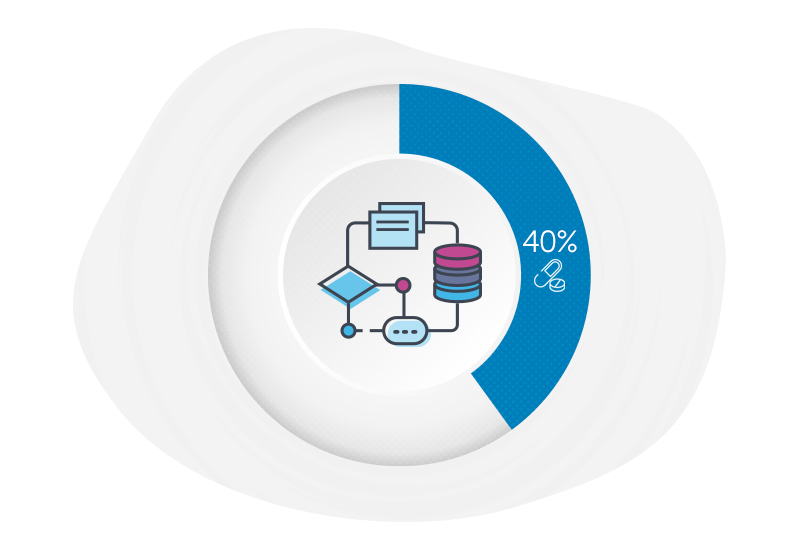
Predicting the best treatment for vesicoureteral reflux in kids: The power of machine learning
The result of abnormal formation of the normal valve between the kidney and bladder, vesicoureteral reflux (VUR) can lead to recurrent febrile urinary tract infections (UTIs) and kidney scarring in children. Previous research has shown that when taken continuously, prophylactic antibiotics can reduce the risk of recurrent UTI in about half of this population. However, ... Read More about Predicting the best treatment for vesicoureteral reflux in kids: The power of machine learning
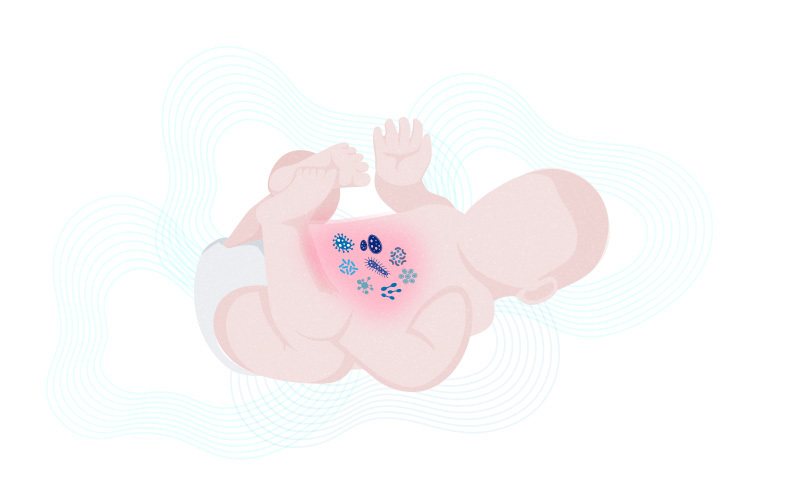
Piecing together the preterm infant microbiome
The human microbiome — the collection of microbes living in the gut — is now recognized as an important contributor to health and disease. The environment, the host, and microbe-microbe interactions are all likely to shape the microbiome’s dynamics, but the unique roles of each are not well understood. Now, a Boston Children’s Hospital infectious ... Read More about Piecing together the preterm infant microbiome
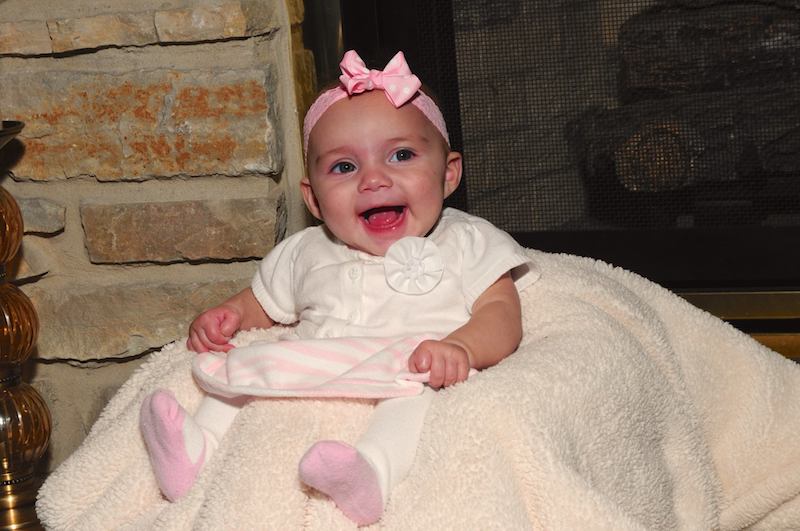
Can we prevent leukemia in patients with Shwachman-Diamond syndrome?
Anna Nazarenko doesn’t see herself as sick. The strong-willed, spunky 6-year-old loves to dance and ski, and spent much of April Fool’s day pranking her parents. Aside from the enzymes she takes to help digest her food, you wouldn’t know that she has Shwachman-Diamond syndrome (SDS). The rare, inherited type of bone marrow failure has ... Read More about Can we prevent leukemia in patients with Shwachman-Diamond syndrome?
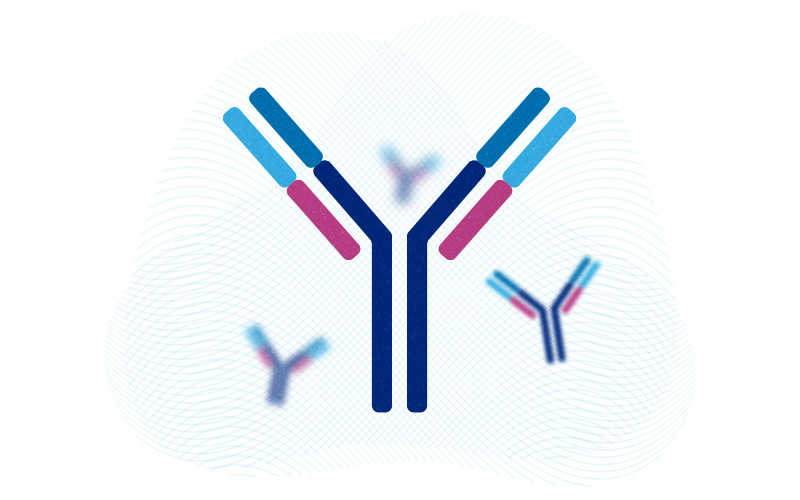
Diversifying therapeutic antibodies: From one, come many with potential different uses
A new method for producing antibodies against disease could result in a wider variety of drugs for infectious diseases, immune disease, and even cancer. The immune system naturally produces enormous varieties of antibodies to fight diseases. Therapeutic antibodies — antibodies created against specific therapeutic targets — have been used for decades to either rev up ... Read More about Diversifying therapeutic antibodies: From one, come many with potential different uses
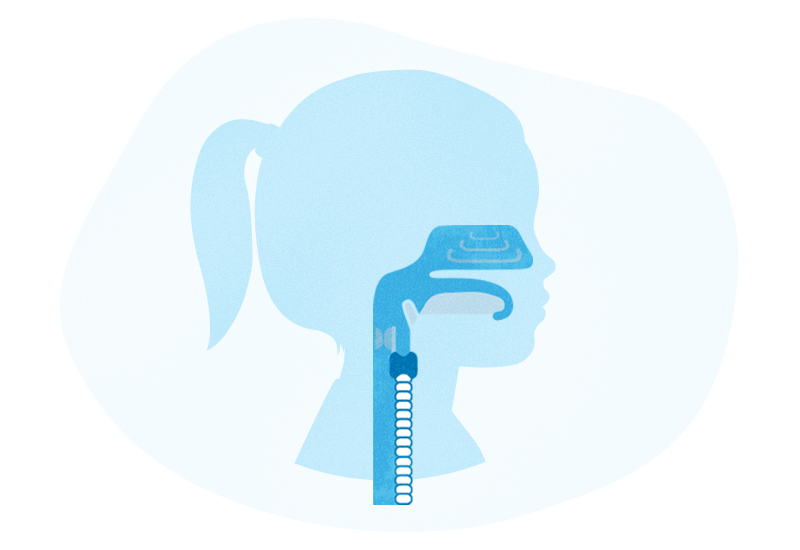
Game-changing surgical procedure results in zero-percent TEF re-recurrence rate
A tracheaesophageal fistula (TEF) is a congenital defect in which an abnormal connection forms between a child’s esophagus and trachea. It often occurs with esophageal atresia. Even after surgical repair, TEFs recur in about 10 to 15 percent of infants and children. They rarely close spontaneously and typically require surgical or endoscopic intervention. Key takeaways: ... Read More about Game-changing surgical procedure results in zero-percent TEF re-recurrence rate