

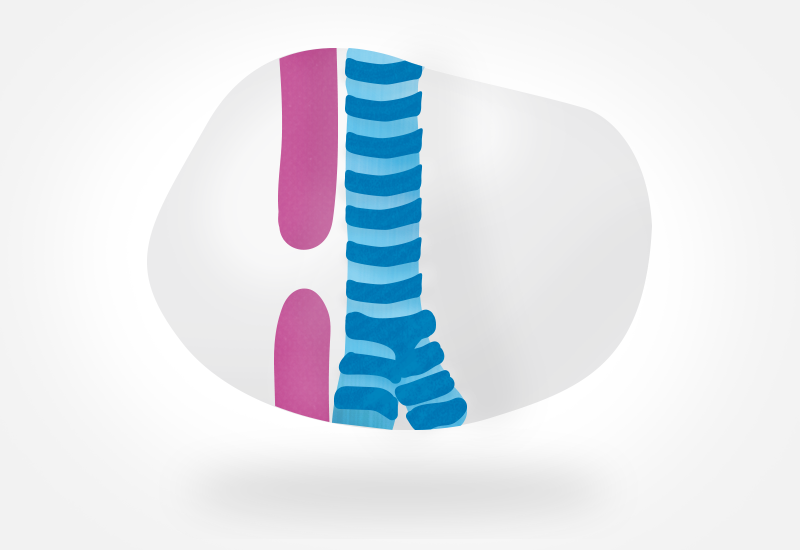
Taking treatment of long-gap esophageal atresia to the next level: Refining innovative techniques
The surgeons in the Esophageal and Airway Treatment Center at Boston Children’s Hospital are pioneers in developing and refining innovative surgical approaches to long-gap esophageal atresia, a condition in which a child’s esophagus develops in two separate segments that can’t be easily connected with surgery. Among these techniques are jejunal interposition and the Foker process. ... Read More about Taking treatment of long-gap esophageal atresia to the next level: Refining innovative techniques

A coming wave of diabetes? The link with COVID-19
Researchers are observing a new long-term health concern in patients hospitalized with COVID-19 — an increase in new-onset hyperglycemia lasting months after infection. An Italian study found that about half of the patients admitted to the hospital for COVID-19 during the start of the pandemic had new cases of hyperglycemia, or high levels of blood ... Read More about A coming wave of diabetes? The link with COVID-19

Groundbreaking research helps advance treatment of rare, fast growing brain tumor
Researchers from the Dana-Farber/Boston Children’s Cancer and Blood Disorders Center recently found that levels of a specific protein detected through a patient’s urine can track a tumor’s size and responsiveness to treatment in children with diffuse intrinsic pontine gliomas (DIPG). This discovery helps steer the course for more innovative and less invasive treatment options. Confronting ... Read More about Groundbreaking research helps advance treatment of rare, fast growing brain tumor

Inspired by Chinese finger traps, an annuloplasty ring that grows with the child
This post is part of a series on innovations to treat valvular disease in children. Read our prior posts on transcatheter valve replacement and an expandable prosthetic heart valve. Prosthetic annuloplasty rings have improved the durability of heart valve repairs in adults. Implanted at the perimeter of dilated, leaky valves, they help keep the valve ... Read More about Inspired by Chinese finger traps, an annuloplasty ring that grows with the child

A ‘pump’ gene’s surprising role in early brain formation
In polymicrogyria, the cortex of the brain has many irregular, small folds (gyria) and disorganization of its layers. Many affected children have severe developmental delay, intellectual disabilities, and epilepsy, and many need to use a wheelchair. Mutations in several different genes can cause this “overfolding of the brain” condition. Key takeaways The gene ATP1A3, associated ... Read More about A ‘pump’ gene’s surprising role in early brain formation

Regular physical activity linked to more ‘fit’ preteen brains
We know exercise has many health benefits. A new study from Boston Children’s Hospital adds another benefit: Physical activity appears to help organize children’s developing brains. The study, led by Dr. Caterina Stamoulis, analyzed brain imaging data from nearly 6,000 9- and 10-year-olds. It found that physical activity was associated with more efficiently organized, robust, ... Read More about Regular physical activity linked to more ‘fit’ preteen brains
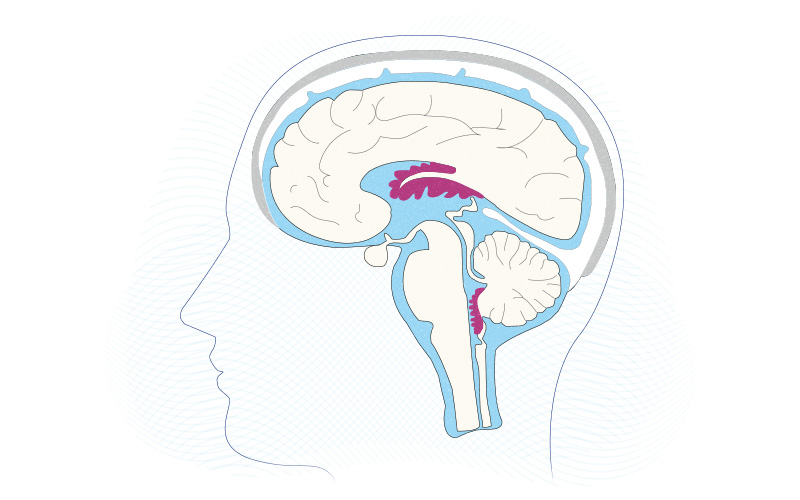
An ‘atlas’ of the choroid plexus across the lifespan
Once viewed merely as a producer of the cerebrospinal fluid (CSF) bathing the brain and spinal cord, the choroid plexus is now known to be a key player in brain development and immunity. These fronds of brain tissue, located in the CSF-filled brain cavities known as ventricles, secrete instructive cues into the CSF to regulate ... Read More about An ‘atlas’ of the choroid plexus across the lifespan
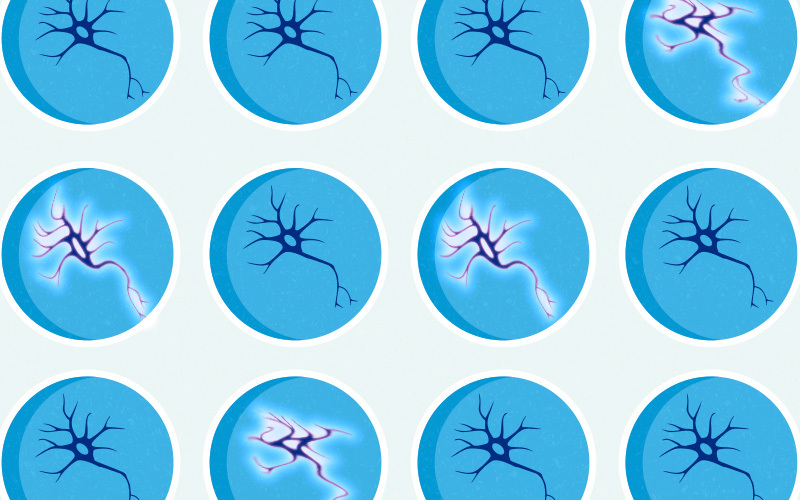
Motor neurons made from patients’ cells reveal possible ALS drugs and targets
Amyotrophic lateral sclerosis (ALS) is a severe, fatal neurodegenerative disorder causing loss of motor neurons and voluntary muscle action. While mouse studies have identified potential treatments, these drugs have typically done very poorly in human trials. “One of the most difficult challenges in drug discovery is identifying a target that has a key role in ... Read More about Motor neurons made from patients’ cells reveal possible ALS drugs and targets
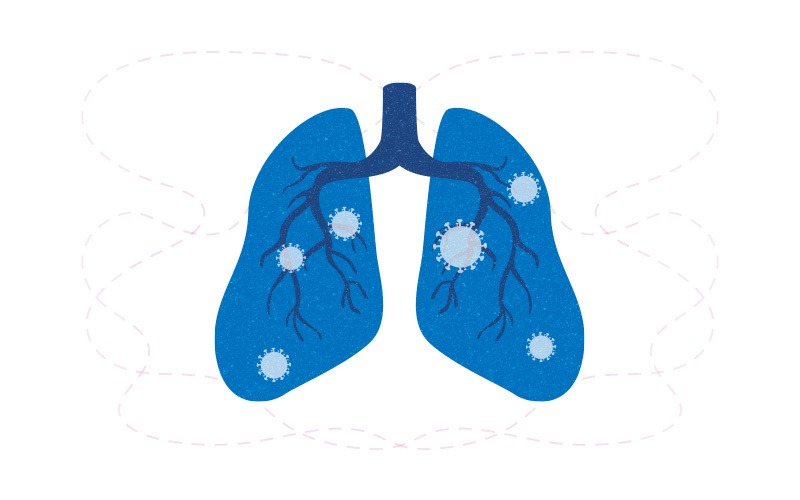
What drives severe lung inflammation in COVID-19?
A main feature of COVID-19 is lung inflammation and respiratory failure caused by an overexuberant immune response known as the cytokine storm. But why does the body produce such an excess of cytokine immune cells? New research from Talal Chatila, MD, of the Division of Immunology at Boston Children’s Hospital and colleagues provides some insights, ... Read More about What drives severe lung inflammation in COVID-19?

Recommendations for reproducibility in stem cell research
The ability to program induced pluripotent stem cells (iPSCs) and drive their differentiation into a variety of neural cells is essential for studying neurological disorders, including intellectual and developmental disabilities (IDDs). But issues regarding variability and reproducibility from lab to lab make translating discoveries difficult, in turn slowing the progress of IDD research. To address ... Read More about Recommendations for reproducibility in stem cell research