

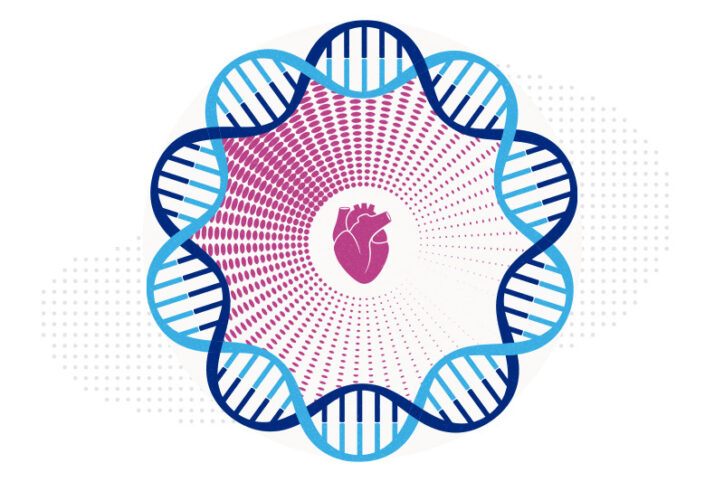
In the genetics of congenital heart disease, noncoding DNA fills in some blanks
Researchers have been chipping away at the genetic causes of congenital heart disease (CHD) for a couple of decades. About 45 percent of cases of CHD have an identifiable cause, including chromosomal abnormalities, genetic variants affecting protein-coding genes, and environmental factors. What about the rest of the cases of CHD? Noncoding DNA elements have long ... Read More about In the genetics of congenital heart disease, noncoding DNA fills in some blanks

Machine learning algorithm could offer urologists a “crystal ball” for predicting VUR
Hydronephrosis is a common congenital anomaly that’s increasingly identified during prenatal ultrasound. Although ultrasound is also the first-line test to screen for hydronephrosis in infants, it is poor at determining dilating vesicoureteral reflux (VUR), one cause of hydronephrosis. A voiding cystourethrogram (VCUG) can better characterize VUR but is more invasive and costlier. But what if ... Read More about Machine learning algorithm could offer urologists a “crystal ball” for predicting VUR

Could SIDS be caused by unrecognized brain infections?
Some infants who pass away from sudden infant death syndrome (SIDS) are known to have had acute minor infections. Could these have played a role in their death? Using next-generation molecular tools, a new study provides evidence that undiagnosed inflammation and occult infection can contribute to SIDS and the brainstem pathology seen in some infants. ... Read More about Could SIDS be caused by unrecognized brain infections?

Finding ways to reduce the financial and social costs of pacemakers
As the number of complex heart operations has increased over the years, so have cases of postoperative heart block, a form of arrhythmia that often requires a pacemaker and more surgery. Heart block occurs when unseen conduction tissue — the cells and electrical signals that control the beating of a heart — is injured. It is a ... Read More about Finding ways to reduce the financial and social costs of pacemakers

Microvillus inclusion disease: From organoids to new treatments
Microvillus inclusion disease (MVID) is a rare type of congenital enteropathy in infants that causes devastating diarrhea and an inability to absorb food. Infants can lose liters of fluid a day, become severely dehydrated, and stop growing. There is no specific treatment. “Until about 10 years ago, 50 percent of kids with MVID would die ... Read More about Microvillus inclusion disease: From organoids to new treatments
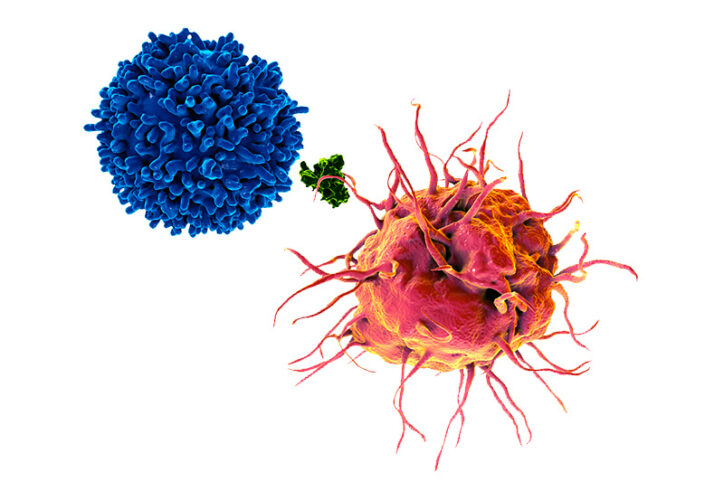
Exposing a tumor’s antigens to enhance immunotherapy
Successful immunotherapy for cancer involves activating a person’s own T cells to attack the tumor. But some tumors have a trick: They hide themselves from the immune system by preventing their antigens from being displayed, a necessary step in activating T cells. In new work published in Science, researchers in the Program in Cellular and ... Read More about Exposing a tumor’s antigens to enhance immunotherapy

Combining CAR-T cells and inhibitor drugs for high-risk neuroblastoma
Chimeric antigen receptor (CAR)-T cell therapy is a potent emerging weapon against cancer, altering patients’ T cells so they can better find and destroy tumor cells. But CAR-T cell therapy doesn’t work well in every cancer — including many cases of neuroblastoma, a cancer that begins in young children’s nerve tissue and can metastasize to ... Read More about Combining CAR-T cells and inhibitor drugs for high-risk neuroblastoma
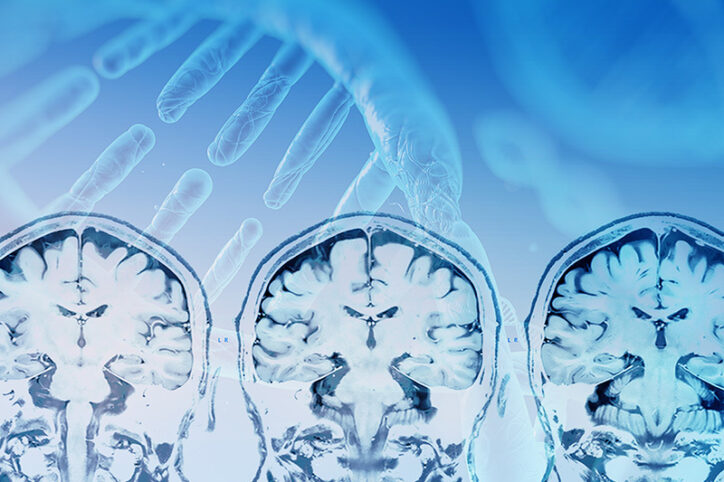
When diagnosis is just the first step: The Brain Gene Registry
Through advances in genetic sequencing, many children with rare, unidentified neurodevelopmental disorders are finally having their mysteries solved. But are they? “Once families receive results of genetic testing, that’s just the beginning of a new journey,” says Maya Chopra, MBBS, FRACP, an investigator with the Rosamund Stone Zander Translational Neuroscience Center at Boston Children’s Hospital. ... Read More about When diagnosis is just the first step: The Brain Gene Registry

Helping clinicians embrace family-centered rounds
If you’ve ever been hospitalized, you may have experienced this: groups of doctors coming in and talking about you like you’re not there or addressing you in a perfunctory manner, using medical jargon you don’t understand. Peggy Markle was taken aback when her son was hospitalized for a not-yet-defined condition in Washington and his care ... Read More about Helping clinicians embrace family-centered rounds

Ductus arteriosus stenting could help severely ill infants with pulmonary arterial hypertension
Treatment for infants who have severe pulmonary arterial hypertension (PAH) is sometimes limited. Because they haven’t physically matured, a procedure could increase the risk of serious complications, including failure of the heart’s right ventricle. A Boston Children’s Department of Cardiology study found an interventional therapy that’s potentially safe and suitable for those critically ill small infants: the placement of ... Read More about Ductus arteriosus stenting could help severely ill infants with pulmonary arterial hypertension