


Constant improvements make the Ross procedure a safe aortic valve replacement option
Cardiac surgeons understand that innovation isn’t always about invention. Improving something can be just as transformative. So it shouldn’t come as a surprise that Boston Children’s cardiac surgery team is seeing lasting positive outcomes in patients after making adjustments over the years to the Ross procedure, a last-option treatment for aortic valve disease that hasn’t always been accepted by ... Read More about Constant improvements make the Ross procedure a safe aortic valve replacement option
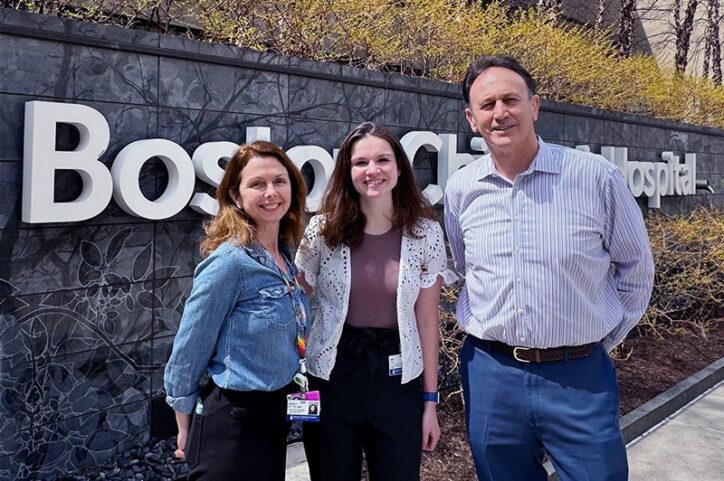
First-of-its-kind clinical trial aims to improve outcomes in pediatric transplant patients
For the last 20 years, pediatric kidney transplant patients have been treated with the same immunosuppressive medication combinations and have been monitored using the same tests, without many new treatment options. Unfortunately, unlike their adult counterparts, pediatric transplant recipients have not been included in clinical trials to test newer and promising combinations of medications that ... Read More about First-of-its-kind clinical trial aims to improve outcomes in pediatric transplant patients
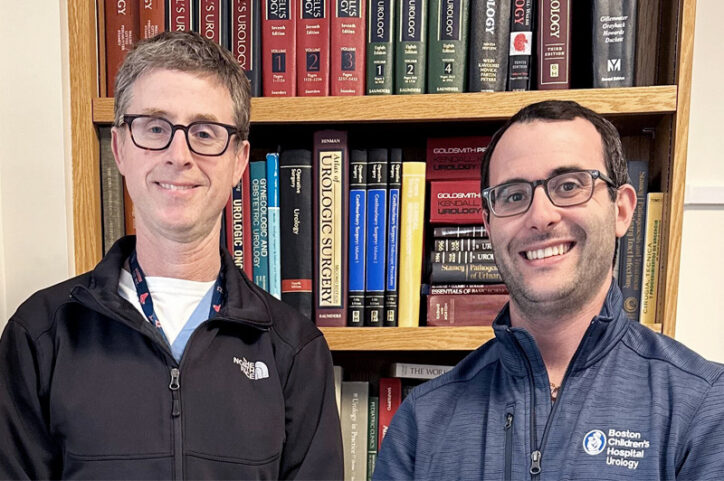
Simulation-based training program improves evaluation of undescended testicles
Could a lifelike manikin torso help improve pediatricians’ understanding of undescended testicles? That’s the hope of Eric Bortnick, MD, a fellow in Boston Children’s Department of Urology whose new simulation- and video-based educational tool aims to improve the diagnosis and management of this condition. Also known as cryptorchidism, undescended testicles are common congenital anomalies in ... Read More about Simulation-based training program improves evaluation of undescended testicles

Optimal care, lower costs: Examining the benefits of out-of-network care for pediatric moyamoya
Moyamoya disease is a rare condition that affects the blood vessels in the brain, especially in children. Narrowing and blockage of vessels significantly increases the risk of stroke and requires surgical revascularization for treatment. Although research shows that outcomes of revascularization are better at high-volume centers, insurers often hesitate to approve out-of-network care. However, a ... Read More about Optimal care, lower costs: Examining the benefits of out-of-network care for pediatric moyamoya

Mending injured hearts: Lessons from newborns?
When the heart is injured, as in a myocardial infarction, the damaged heart muscle cannot regenerate — instead, scar tissue forms. Cardiomyocytes, the heart muscle cells that generate contractile force, are lost for good. Yet, in mouse models, the hearts of newborns regenerate readily after injury. How are newborn hearts able to recover? What are ... Read More about Mending injured hearts: Lessons from newborns?
Building better antibodies, curbing autoimmunity: New insights on B cells
When we’re vaccinated or exposed to an infection, our B cells spring into action, churning out antibodies that are increasingly potent, specific, and protective. This happens through an iterative process known as affinity maturation. Two labs at Boston Children’s Hospital have come up with different ways to enhance affinity maturation and help B cells make ... Read More about Building better antibodies, curbing autoimmunity: New insights on B cells
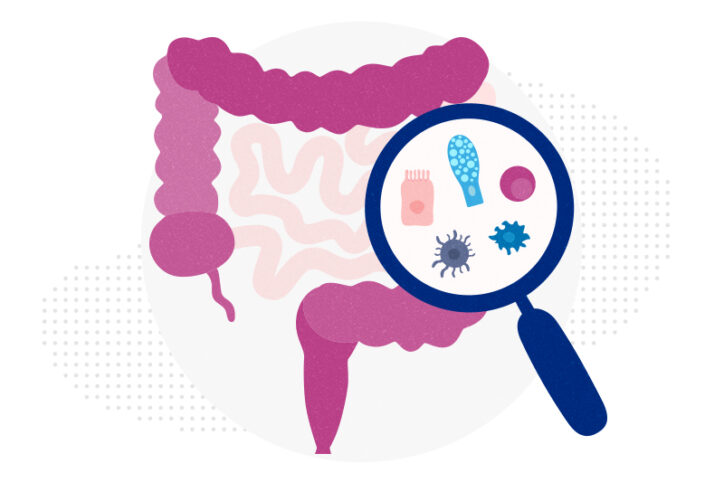
A journey through the intestine during colitis, cell by cell
Inflammatory bowel disease (IBD), causing devastating abdominal pain, persistent diarrhea, and rectal bleeding, is hard to control with current treatments. Children often experience malnutrition and impaired growth. To get a better handle on IBD, researchers at Boston Children’s Hospital and Brigham and Women’s Hospital decided to eavesdrop on happenings in the colon. In the first ... Read More about A journey through the intestine during colitis, cell by cell
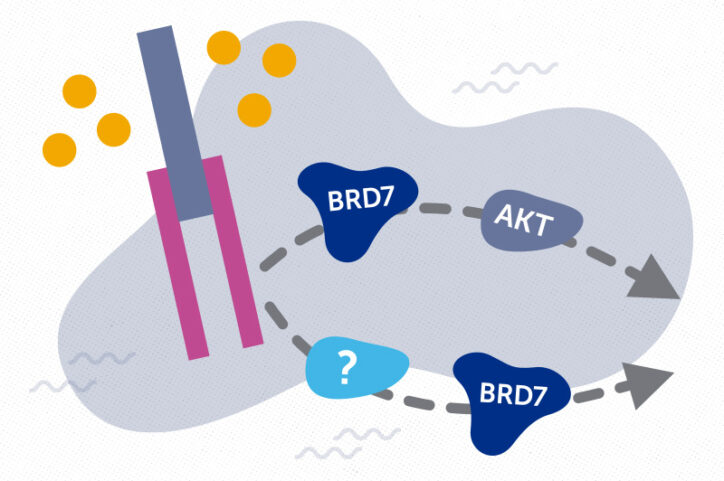
BRD7 research points to alternative insulin signaling pathway
Bromodomain-containing protein 7 (BRD7) was initially identified as a tumor suppressor, but further research has shown it has a broader role in other cellular processes, including the remodeling of chromosomes and cell cycle progression. Now, Boston Children’s Division of Endocrinology researchers have discovered another purpose for BRD7: It seems to be involved in an alternative insulin signaling ... Read More about BRD7 research points to alternative insulin signaling pathway
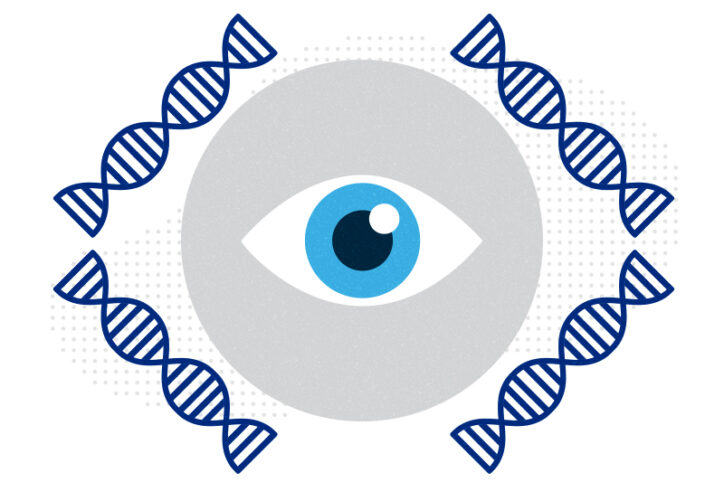
Genetic variants are found in two types of strabismus, sparking hope for future treatment
Determining how genetics contribute to common forms of strabismus has been a challenge for researchers. Small discoveries are considered meaningful progress. Boston Children’s researchers believe they’ve helped move the needle. They discovered that two types of strabismus — esotropia and exotropia — may have shared genetic risk factors. Duplications on the second, fourth, and tenth chromosomes that ... Read More about Genetic variants are found in two types of strabismus, sparking hope for future treatment

Exploring brain operations: Making decisions, snapping to attention, and forming memories
How do our brains snap to attention and orient us to the outside world — like when we’re sound asleep and the smoke alarm goes off? And when different choices confront us, how does our brain make decisions? Two groups of researchers at Boston Children’s explored these all-important brain operations. The first study, published February ... Read More about Exploring brain operations: Making decisions, snapping to attention, and forming memories