

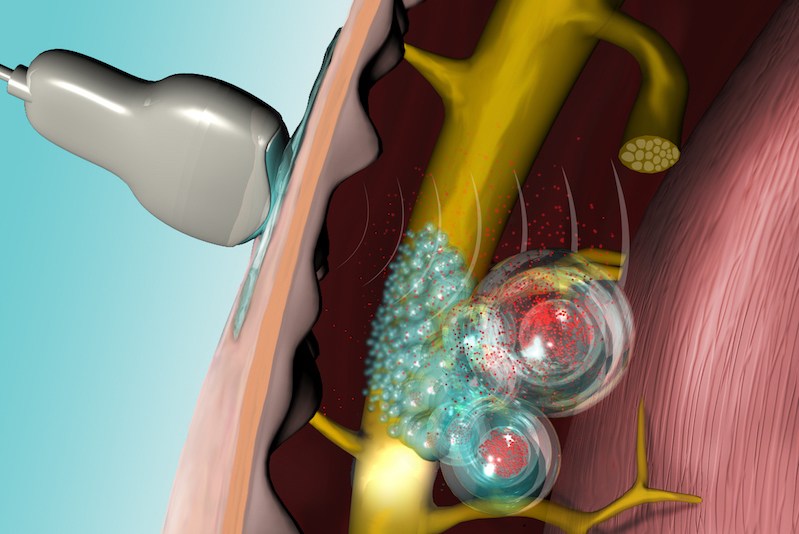
Using ultrasound to trigger on-demand, site-specific pain relief
According to the CDC, 91 people die from opioid overdoses every day in the U.S. Here in Massachusetts, the state has an opioid-related death rate that is more than twice the national average. “Opioid abuse is a growing problem in healthcare,” says Daniel Kohane, MD, PhD, a senior associate in critical care medicine at Boston Children’s and professor ... Read More about Using ultrasound to trigger on-demand, site-specific pain relief

Botulism toxin X: Time to update the textbooks, thanks to genomic sequencing
Botulism is a rare, potentially fatal paralyzing illness. It’s the reason we shouldn’t feed infants honey and why we need to take care in consuming home-canned foods: they can potentially contain nerve-damaging toxins produced by Clostridium botulinum. Botulinum toxin is classified as one of the six most dangerous potential bioterrorism agents. There are seven known ... Read More about Botulism toxin X: Time to update the textbooks, thanks to genomic sequencing
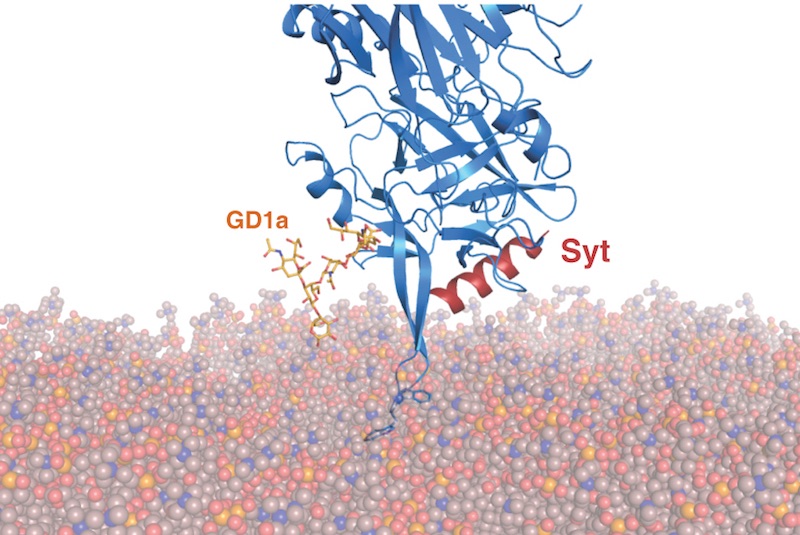
Building a better botox
Aside from reducing wrinkles, botulinum toxins — a.k.a. botox — have a variety of uses in medicine: to treat muscle overactivity in overactive bladder, to correct misalignment of the eyes in strabismus, for a movement disorder called cervical dystonia that causes neck spasms, and more. Two botulinum toxins, types A and B, are FDA-approved and ... Read More about Building a better botox

Mutated botulinum neurotoxin B: A stronger player in the Botox world?
Famously associated with smoothing out wrinkles, botulinum toxin — better known as Botox — has been in use for 40 years now. Initially approved as a treatment for crossed eyes and then facial wrinkles, its on- and off-label uses today extend to urinary incontinence, migraines, perspiration, spasticity and even depression. But the diffusion of the ... Read More about Mutated botulinum neurotoxin B: A stronger player in the Botox world?
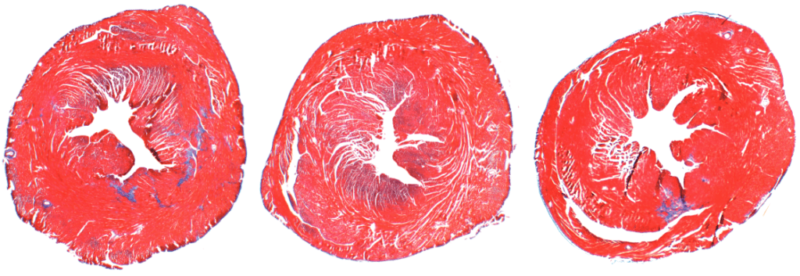
Seeking a way to keep organs young
The wear and tear of life takes a cumulative toll on our bodies. Our organs gradually stiffen through fibrosis, which is a process that deposits tough collagen in our body tissue. Fibrosis happens little by little, each time we experience illness or injury. Eventually, this causes our health to decline. “As we age, we typically accumulate ... Read More about Seeking a way to keep organs young
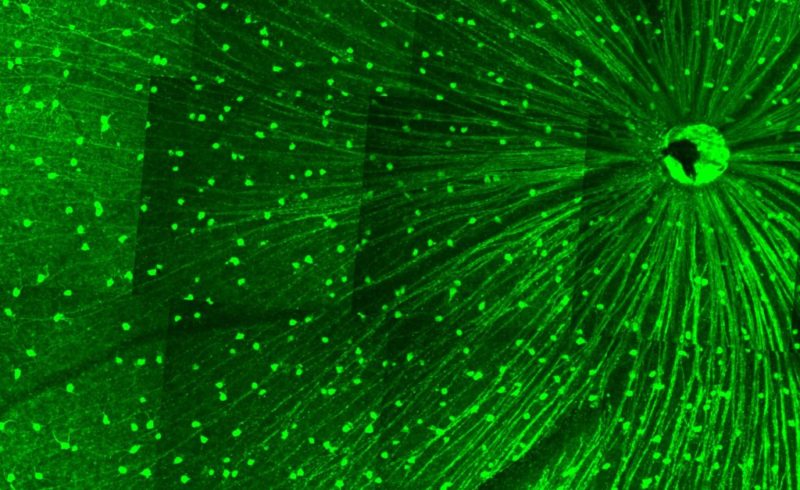
Optic nerve regeneration: One approach doesn’t fit all
Getting a damaged optic nerve to regenerate is vital to restoring vision in people blinded through nerve trauma or disease. A variety of growth-promoting factors have been shown to help the optic nerve’s retinal ganglion cells regenerate their axons, but we are still far from restoring vision. A new study on optic nerve regeneration, published ... Read More about Optic nerve regeneration: One approach doesn’t fit all
Precision drug delivery systems could ‘trigger’ an age of nanomedicine
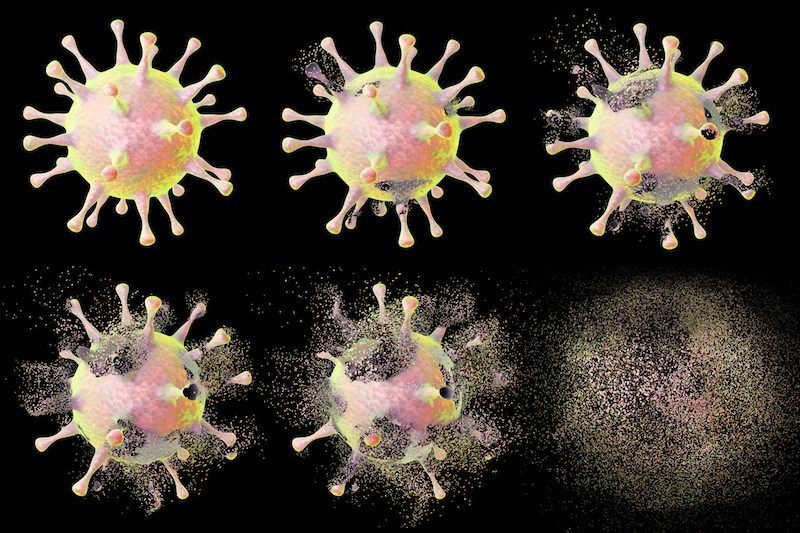
What if we could deliver biocompatible nanoparticles into the body and then activate them to release drugs exactly where they are needed, without causing side effects elsewhere? Scientists like Daniel Kohane, MD, PhD, of Boston Children’s Hospital, are developing nanoscale drug delivery systems to do just that, using a variety of materials and triggers that ... Read More about Precision drug delivery systems could ‘trigger’ an age of nanomedicine
Medical milestone: Making blood stem cells in the lab
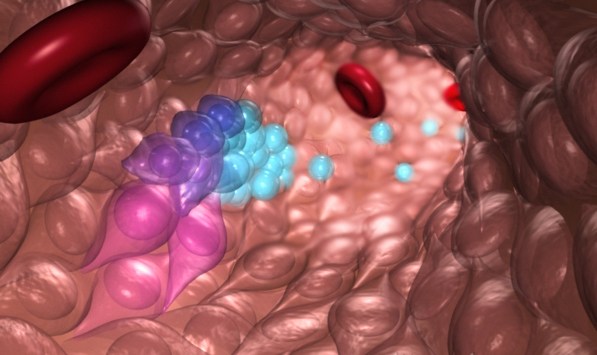
Pluripotent stem cells can make virtually every cell type in the body. But until now, one type has remained elusive: blood stem cells, the source of our entire complement of blood cells. Since human embryonic stem cells (ES cells) were isolated in 1998, scientists have tried to get them to make blood stem cells. In ... Read More about Medical milestone: Making blood stem cells in the lab
Could fecal transplants heal Crohn’s and colitis in children? Two trials are set to find out
Could an exciting potential treatment for inflammatory bowel disease (IBD) be found in the gastrointestinal tract itself? That’s the theory behind a pair of new studies by Stacy A. Kahn, MD, which will investigate the potential role of fecal microbial transplant (FMT) in the treatment of Crohn’s disease and ulcerative colitis in children. In IBD, the ... Read More about Could fecal transplants heal Crohn’s and colitis in children? Two trials are set to find out
Stem cell workaround cracks open new leads in Diamond Blackfan anemia
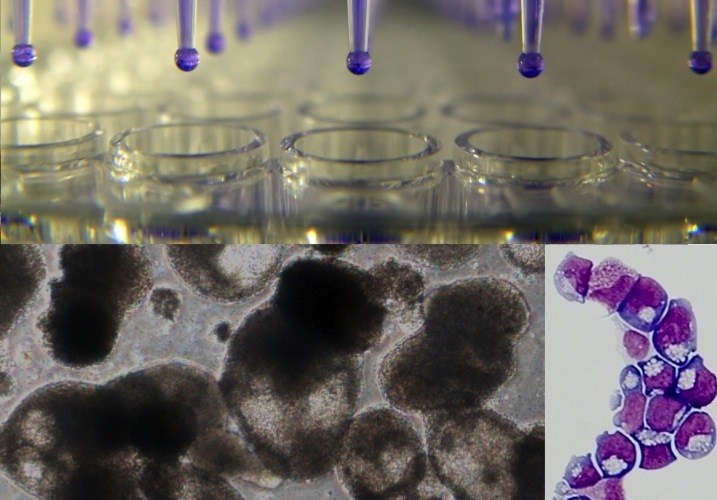
Diamond Blackfan anemia (DBA) has long been a disease waiting for a cure. First described in 1938 by Louis K. Diamond, MD, of Boston Children’s Hospital and his mentor, Kenneth Blackfan, MD, the rare, severe blood disorder prevents the bone marrow from making enough red blood cells. It’s been linked to mutations affecting a variety of ... Read More about Stem cell workaround cracks open new leads in Diamond Blackfan anemia