

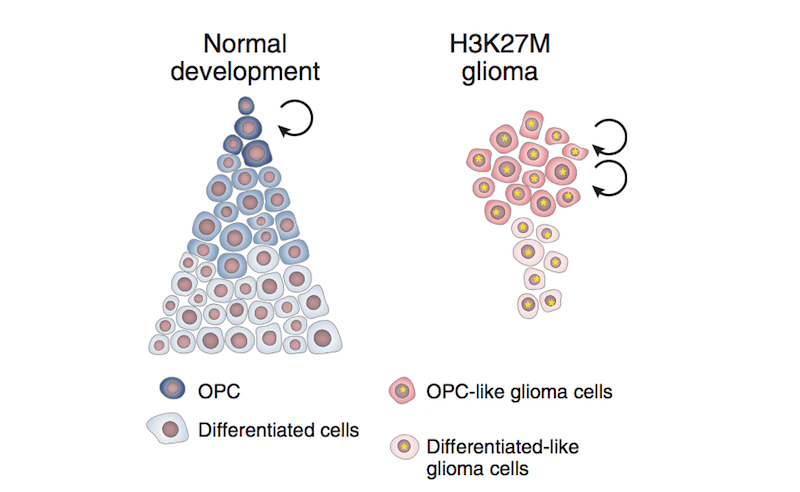
Solving the DIPG puzzle a single cell at a time
For more than 15 years, pediatric neuro-oncologist Mariella Filbin, MD, PhD, has been on a scientific crusade to understand DIPG (diffuse intrinsic pontine glioma). She hopes to one day be able to cure a disease that has historically been thought of as an incurable type of childhood brain cancer. “While I was in medical school, I ... Read More about Solving the DIPG puzzle a single cell at a time
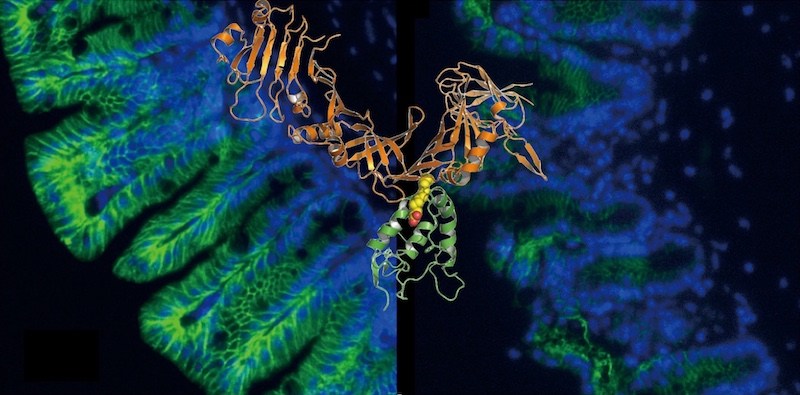
Science Seen: An intestinal toxin’s trick, a potential cancer fighter
Clostridium difficile, also called “C. diff,” causes severe gastrointestinal tract infections and tops the CDC’s list of urgent drug-resistant threats. In work published in Nature in 2016, Min Dong, PhD, and colleagues found the elusive portal that enables a key C. diff toxin, toxin B, to enter the intestines’ outer cells and break down the ... Read More about Science Seen: An intestinal toxin’s trick, a potential cancer fighter
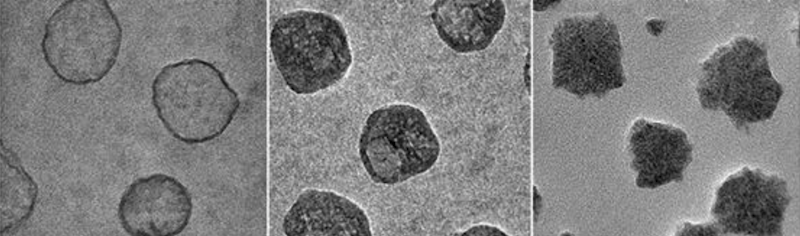
The softer the nanoparticle, the better the drug delivery to tumors
For the first time, scientists have shown that the elasticity of nanoparticles can affect how cells take them up in ways that can significantly improve drug delivery to tumors. A team of Boston Children’s Hospital researchers led by Marsha A. Moses, PhD, who directs the Vascular Biology Program, created a novel nanolipogel-based drug delivery system that allowed ... Read More about The softer the nanoparticle, the better the drug delivery to tumors
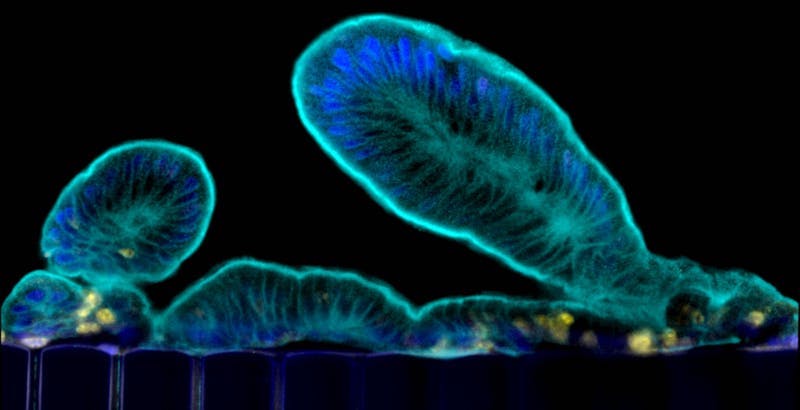
Intestine chip models gut function, in disease and in health
The small intestine is much more than a digestive organ. It’s a major home to our microbiome, it’s a key site where mucosal immunity develops and it provides a protective barrier against a variety of infections. Animal models don’t do justice to the human intestine in all its complexity. Attempts to better model human intestinal function ... Read More about Intestine chip models gut function, in disease and in health
Beth Stevens: A transformative thinker in neuroscience
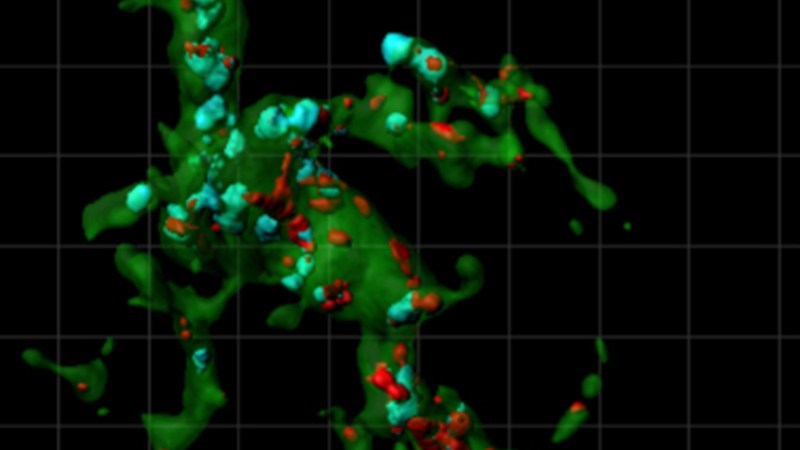
When 2015 MacArthur “genius” grant winner Beth Stevens, PhD, began studying the role of glia in the brain in the 1990s, these cells—“glue” from the Greek—weren’t given much thought. Traditionally, glia were thought to merely protect and support neurons, the brain’s real players. But Stevens, from the Department of Neurology and the F.M. Kirby Neurobiology ... Read More about Beth Stevens: A transformative thinker in neuroscience
Cancer researchers hit a bullseye with a new drug target for Ewing sarcoma
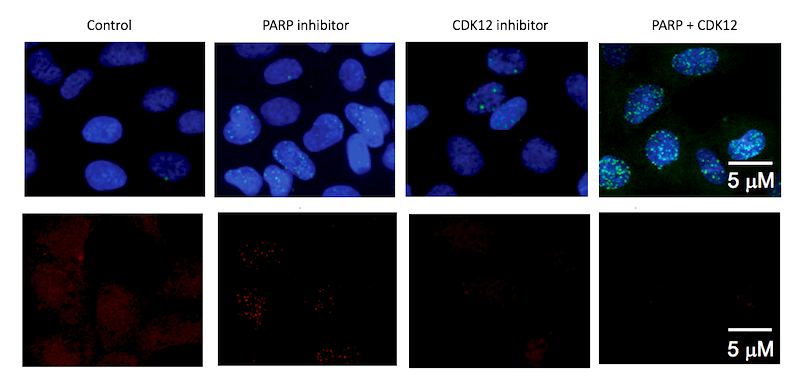
Screening a class of recently-developed drug compounds — so-called “CDK inhibitors” capable of blocking CDK7/12/13 proteins — against hundreds of different human cancer cell lines, researchers at Dana-Farber/Boston Children’s Cancer and Blood Disorders Center have found that CDK12 inhibitors pack a particularly lethal punch to Ewing sarcoma, a rare cancer typically affecting children and young adults. “No one ... Read More about Cancer researchers hit a bullseye with a new drug target for Ewing sarcoma
Sickle cell gene therapy to boost fetal hemoglobin: A 70-year timeline of discovery
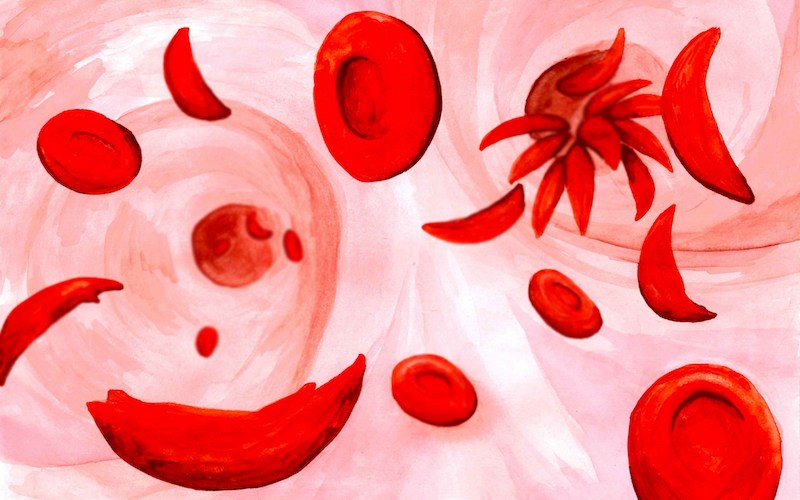
Boston Children’s Hospital is now enrolling patients age 3 to 35 in a clinical trial of gene therapy for sickle cell disease. Based on technology developed in its own labs, it differs from other gene therapy approaches by having a two-pronged action. It represses production of the mutated beta hemoglobin that causes red blood cells to ... Read More about Sickle cell gene therapy to boost fetal hemoglobin: A 70-year timeline of discovery
Taking a sideswipe at high-risk neuroblastoma
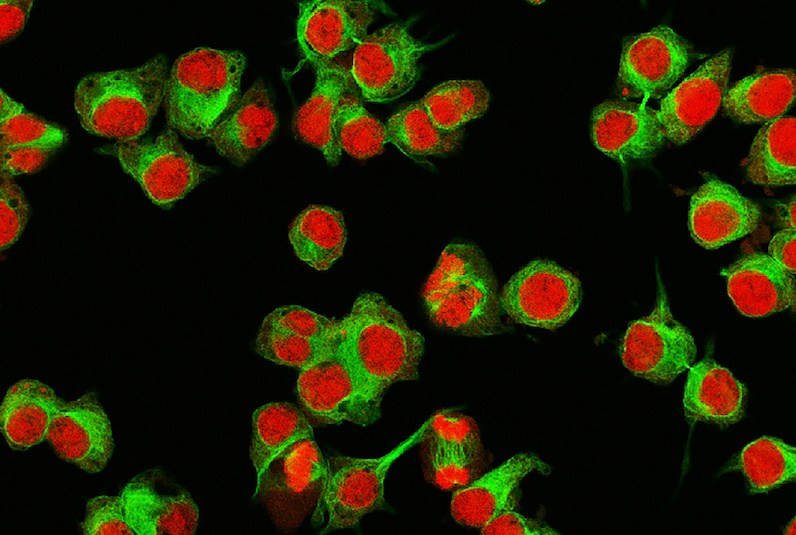
Cancer and other diseases are now understood to spring from a complex interplay of biological factors rather than any one isolated origin. New research reveals that an equally-nuanced approach to treating high-risk neuroblastoma may be the most effective way to curb tumor growth. One challenge in treating pediatric cancers like neuroblastoma is that they are ... Read More about Taking a sideswipe at high-risk neuroblastoma

Immune gene guards against type 1 diabetes by changing the microbiome. Do early antibiotics undercut its effects?
The health of our immune system is increasingly linked with the health of our intestinal bacteria. A mouse study from Harvard Medical School now hammers this home for autoimmune disorders, in which the body attacks its own cells. It looked specifically at type 1 diabetes, in which the body destroys the cells that make insulin. ... Read More about Immune gene guards against type 1 diabetes by changing the microbiome. Do early antibiotics undercut its effects?
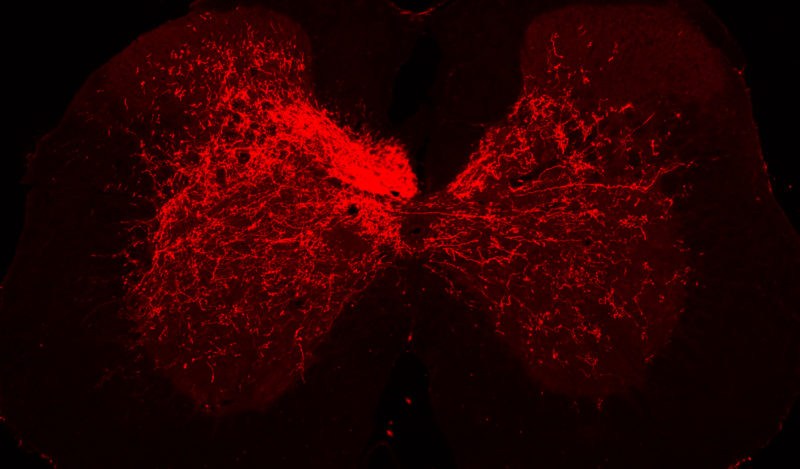
Novel therapeutic cocktail could restore fine motor skills after spinal cord injury and stroke
Neuron cells have long finger-like structures, called axons, that extend outward to conduct impulses and transmit information to other neurons and muscle fibers. After spinal cord injury or stroke, axons originating in the brain’s cortex and along the spinal cord become damaged, disrupting motor skills. Now, reported today in Neuron, a team of scientists at Boston Children’s ... Read More about Novel therapeutic cocktail could restore fine motor skills after spinal cord injury and stroke