


Why I’m tall and you’re short: GIANT effort finds rare, potent height genes
Height is the “poster child” of complex genetic traits, meaning that it’s influenced by multiple genetic variants working together. Because height is easy to measure, it’s a relatively simple model for understanding traits produced by not one gene, but many. “Mastering the complex genetics of height may give us a blueprint for studying multifactorial disorders that have ... Read More about Why I’m tall and you’re short: GIANT effort finds rare, potent height genes
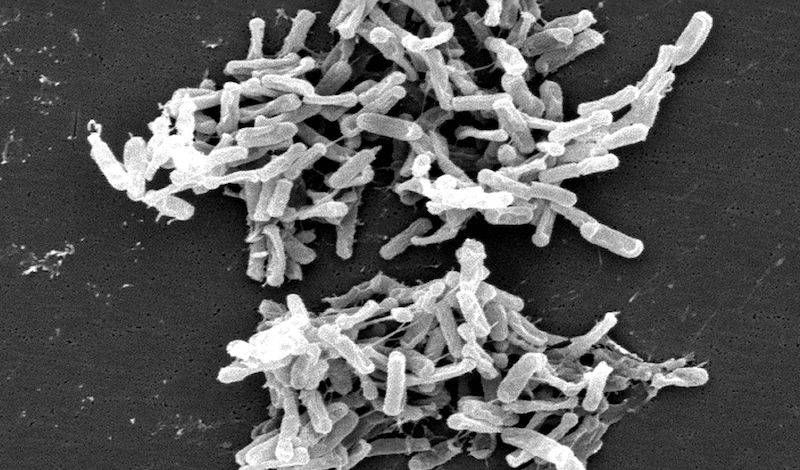
Entry door for deadly C. difficile toxin suggests new mode of protection
Clostridium difficile, also called “C. diff,” tops the CDC’s list of urgent drug-resistant threats. Marked by severe diarrhea and intestinal inflammation, C. diff has become a leading cause of death from gastrointestinal illness, causing half a million infections a year in the U.S. alone. C. diff flourishes best in hospitals and long-term care facilities where people are on ... Read More about Entry door for deadly C. difficile toxin suggests new mode of protection
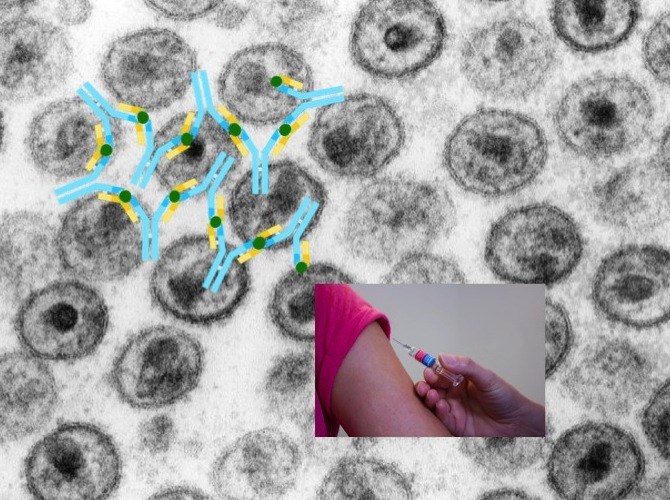
Keeping up with HIV mutations: Building a nimble vaccine test system
An AIDS vaccine able to fight any HIV strain has thus far eluded science. HIV frequently mutates its coat protein, dodging vaccine makers’ efforts to elicit sufficiently broadly neutralizing antibodies. Yet sometimes HIV-infected people can produce such antibodies on their own. This usually requires years of exposure to the virus, allowing the immune system to modify ... Read More about Keeping up with HIV mutations: Building a nimble vaccine test system

BCL11A-based gene therapy for sickle cell disease passes key preclinical test
Research going back to the 1980s has shown that sickle cell disease is milder in people whose red blood cells carry a fetal form of hemoglobin. The healthy fetal hemoglobin compensates for the mutated “adult” hemoglobin that makes red blood cells stiffen and assume the classic “sickle” shape. Normally, fetal hemoglobin production tails off after birth, shut ... Read More about BCL11A-based gene therapy for sickle cell disease passes key preclinical test
Drug-eluting contact lens offers hope in glaucoma
Daily medicated eye drops are the first line of treatment for glaucoma, the leading cause of irreversible blindness. The drops relieve pressure in the eye, a significant risk factor for glaucoma. But they’re not ideal: their delivery is imprecise, they can cause stinging and burning and patients often struggle to administer them. Adherence is poor: ... Read More about Drug-eluting contact lens offers hope in glaucoma
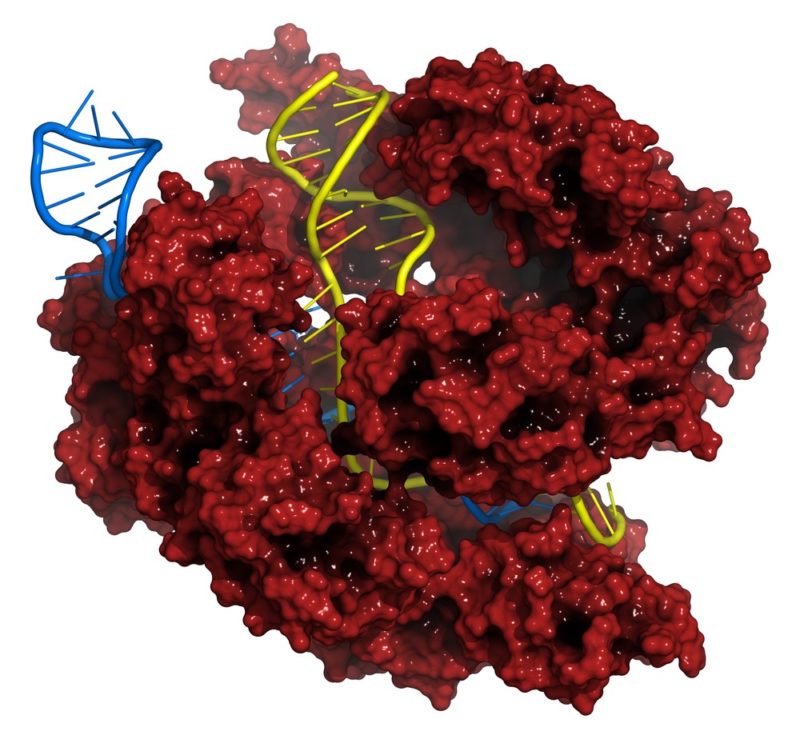
A first for CRISPR: Cutting genes in blood stem cells
CRISPR — a gene editing technology that lets researchers make precise mutations, deletions and even replacements in genomic DNA — is all the rage among genomic researchers right now. First discovered as a kind of genomic immune memory in bacteria, labs around the world are trying to leverage the technology for diseases ranging from malaria ... Read More about A first for CRISPR: Cutting genes in blood stem cells
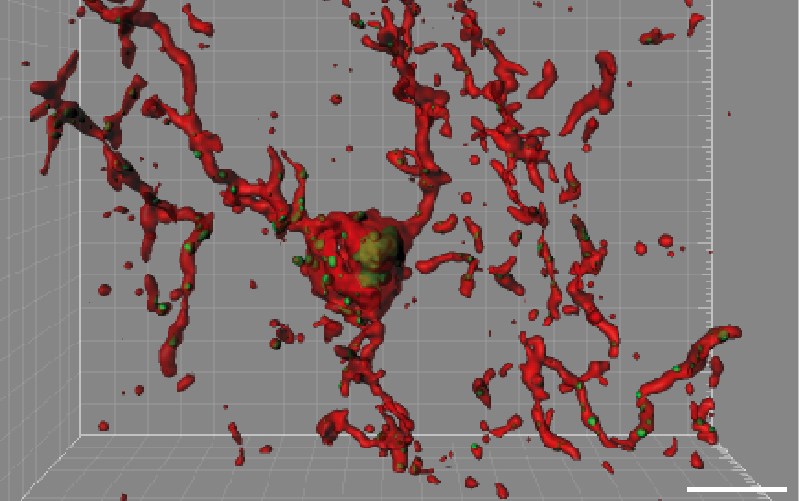
Targeting synapse loss in Alzheimer’s to preserve cognition — before plaques appear
Currently, there are five FDA-approved drugs for Alzheimer’s disease, but these only boost cognition temporarily and don’t address the root causes of Alzheimer’s dementia. Many newer drugs in the pipeline seek to eliminate amyloid plaque deposits or reduce inflammation in the brain, but by the time this pathology is detectable, it’s unlikely medications can do much to slow ... Read More about Targeting synapse loss in Alzheimer’s to preserve cognition — before plaques appear
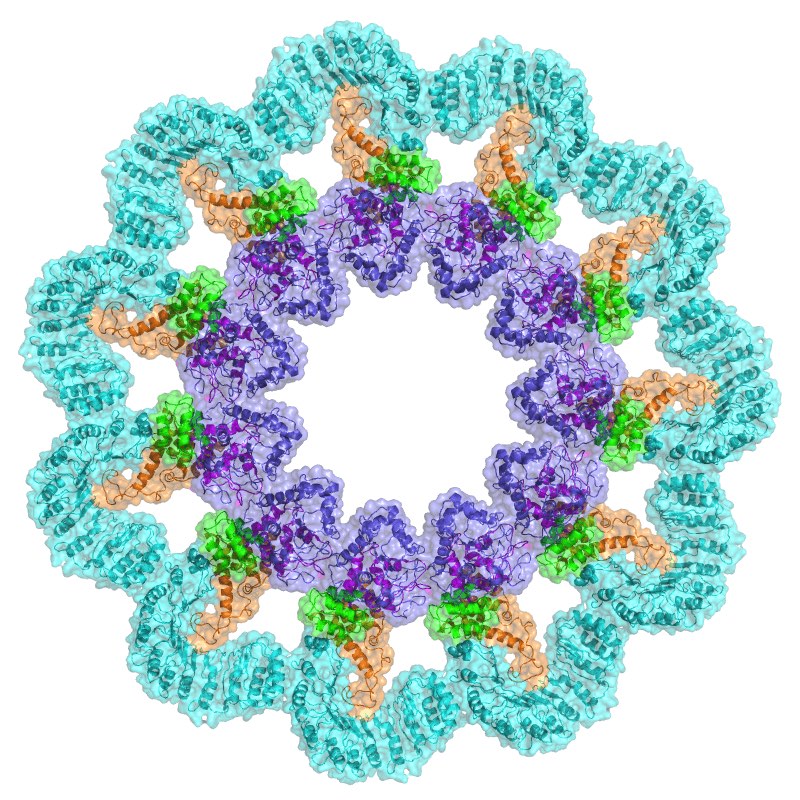
Science seen: A “wheel of death” for bacteria
The innate immune system acts like a border patrol for the body, picking up bacteria and other invading pathogens using molecular sensors. One key player is the inflammasome, a multi-protein complex depicted here through cryo-electron microscopy (cryo-EM). Using structural biology tools like cryo-EM and X-ray crystallography, the Wu lab in Boston Children’s Hospital’s Program in Cellular and Molecular ... Read More about Science seen: A “wheel of death” for bacteria
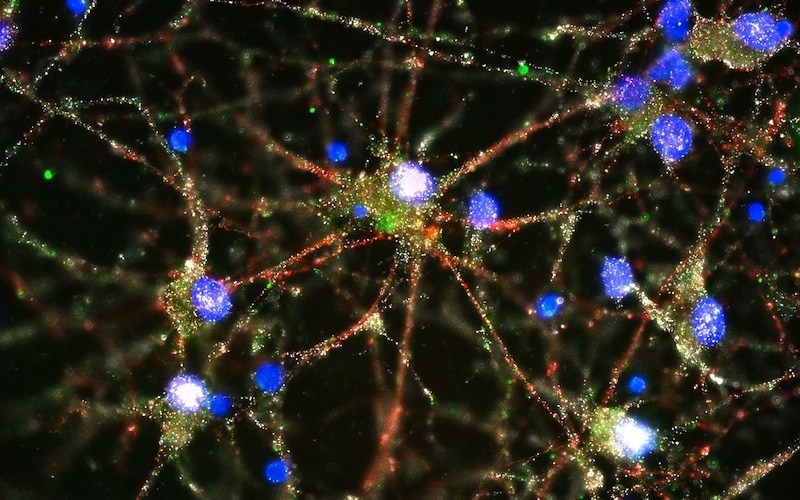
Genetic analysis backs a neuroimmune view of schizophrenia: Complement gone amok
A deep genetic analysis, involving nearly 65,000 people, finds a surprising risk factor for schizophrenia: variation in an immune molecule best known for its role in containing infection, known as complement component 4 or C4. The findings, published this week in Nature, also support the emerging idea that schizophrenia is a disease of synaptic pruning, ... Read More about Genetic analysis backs a neuroimmune view of schizophrenia: Complement gone amok
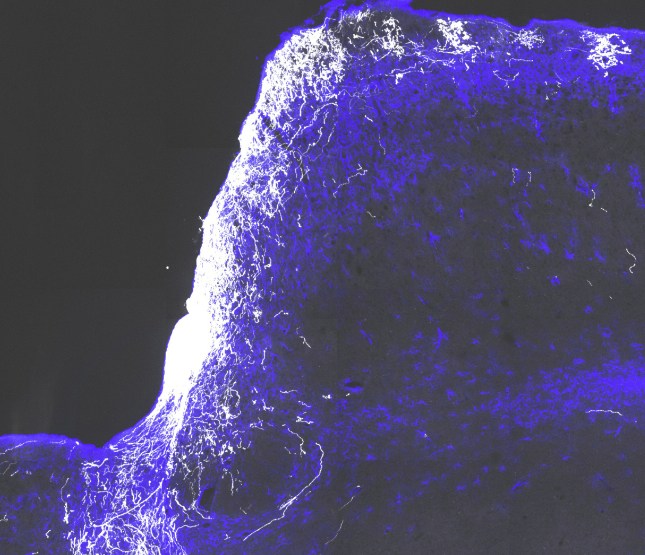
Drug ‘cocktail’ could restore vision in optic nerve injury
When Zhigang He, PhD, started a lab at Boston Children’s Hospital 15 years ago, he hoped to find a way to regenerate nerve fibers in people with spinal cord injury. As a proxy, he studied optic nerve injury, which causes blindness in glaucoma — a condition affecting more than four million Americans — and sometimes ... Read More about Drug ‘cocktail’ could restore vision in optic nerve injury