

Archive for Nancy Fliesler
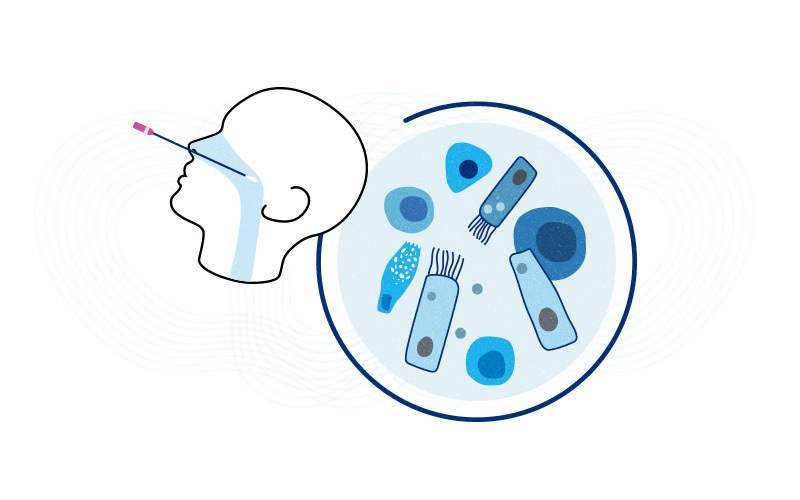
Why do some people get severe COVID-19? The nose may know
The body’s first encounter with SARS-CoV-2, the virus behind COVID-19, happens in the nose and throat, or nasopharynx. A new study in the journal Cell suggests that the first responses in this battleground help determine who will develop severe disease and who will get through with mild or no illness. Building on work published last ... Read More about Why do some people get severe COVID-19? The nose may know
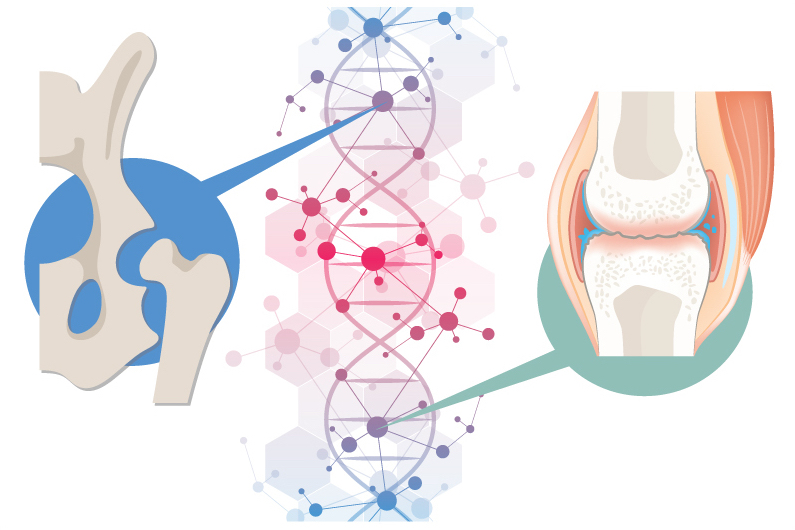
The surprisingly specific genetics of joint disease
A new study provides unexpected insights into the biology of two common, heritable orthopedic conditions: developmental dysplasia of the hip (DDH) and knee osteoarthritis (OA). The findings, published July 6 in Nature Communications, show how a gene can have different effects in different parts of the body. They also raise the possibility of preventive measures ... Read More about The surprisingly specific genetics of joint disease
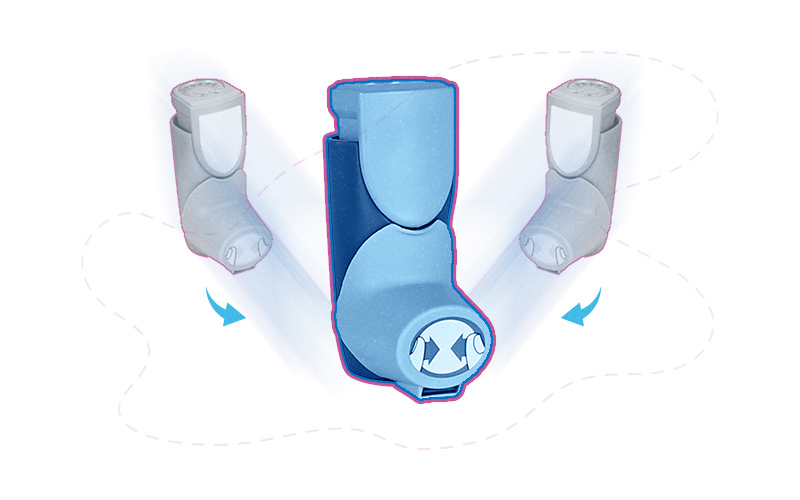
SMART: A new approach to asthma management
Until recently, the typical approach to asthma involved two inhalers. In its first update since 2007, the National Asthma Education and Prevention Program now recommends the use of Single Maintenance and Reliever Therapy (SMART) for selected patients. Rather than an inhaled corticosteroid for daily maintenance and an inhaled bronchodilator for exacerbations, SMART uses the same ... Read More about SMART: A new approach to asthma management

Providing culturally responsive care to refugee and immigrant families
Refugee and immigrant parents and children have unique care needs. They have left their former lives behind, often due to discrimination, poverty, violence, or even ethnic cleansing operations. They may have witnessed or experienced torture or the death of a loved one. Once resettled in the U.S., parents must navigate and adjust to American culture, ... Read More about Providing culturally responsive care to refugee and immigrant families

Inspired by Chinese finger traps, an annuloplasty ring that grows with the child
This post is part of a series on innovations to treat valvular disease in children. Read our prior posts on transcatheter valve replacement and an expandable prosthetic heart valve. Prosthetic annuloplasty rings have improved the durability of heart valve repairs in adults. Implanted at the perimeter of dilated, leaky valves, they help keep the valve ... Read More about Inspired by Chinese finger traps, an annuloplasty ring that grows with the child

A ‘pump’ gene’s surprising role in early brain formation
In polymicrogyria, the cortex of the brain has many irregular, small folds (gyria) and disorganization of its layers. Many affected children have severe developmental delay, intellectual disabilities, and epilepsy, and many need to use a wheelchair. Mutations in several different genes can cause this “overfolding of the brain” condition. Key takeaways The gene ATP1A3, associated ... Read More about A ‘pump’ gene’s surprising role in early brain formation
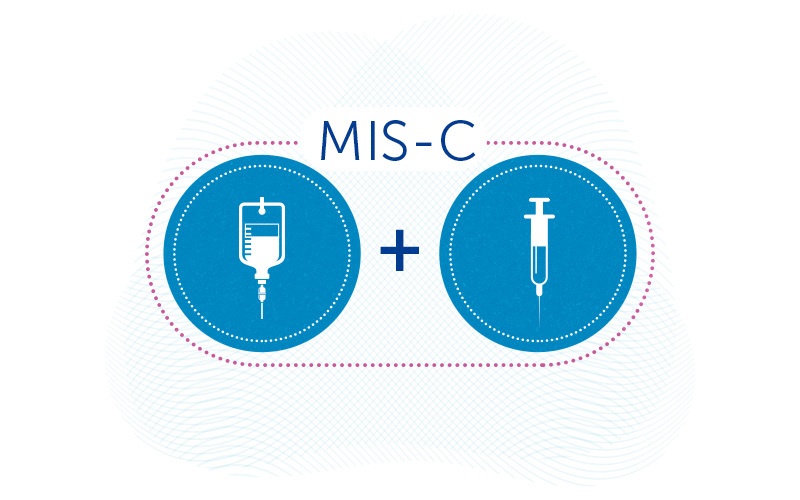
Children with severe MIS-C do better with IVIG and steroids as initial therapy
When children started getting sick with multisystem inflammatory syndrome (MIS-C) in the wake of COVID-19, clinicians largely turned to two treatments. Many used immunoglobulin (IVIG) because of MIS-C’s similarities with Kawasaki disease. And many used steroids such as methylprednisolone because of MIS-C’s inflammatory features. Key takeawayIn this large, rigorous national study, initial treatment of MIS-C ... Read More about Children with severe MIS-C do better with IVIG and steroids as initial therapy

Regular physical activity linked to more ‘fit’ preteen brains
We know exercise has many health benefits. A new study from Boston Children’s Hospital adds another benefit: Physical activity appears to help organize children’s developing brains. The study, led by Dr. Caterina Stamoulis, analyzed brain imaging data from nearly 6,000 9- and 10-year-olds. It found that physical activity was associated with more efficiently organized, robust, ... Read More about Regular physical activity linked to more ‘fit’ preteen brains
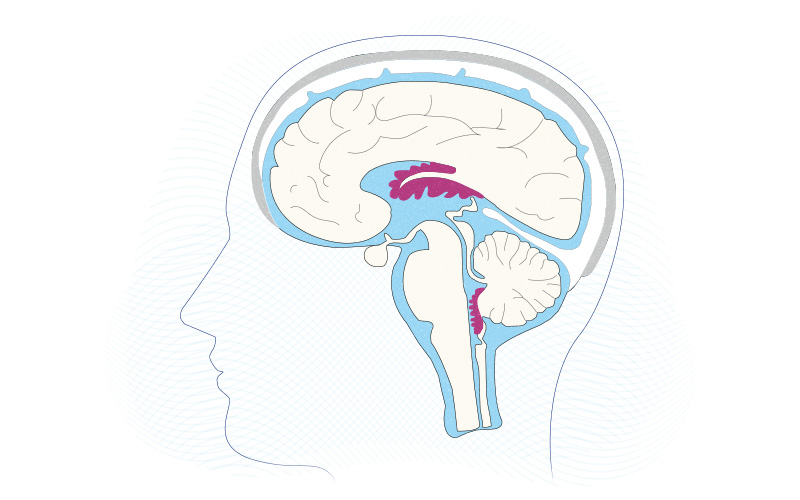
An ‘atlas’ of the choroid plexus across the lifespan
Once viewed merely as a producer of the cerebrospinal fluid (CSF) bathing the brain and spinal cord, the choroid plexus is now known to be a key player in brain development and immunity. These fronds of brain tissue, located in the CSF-filled brain cavities known as ventricles, secrete instructive cues into the CSF to regulate ... Read More about An ‘atlas’ of the choroid plexus across the lifespan
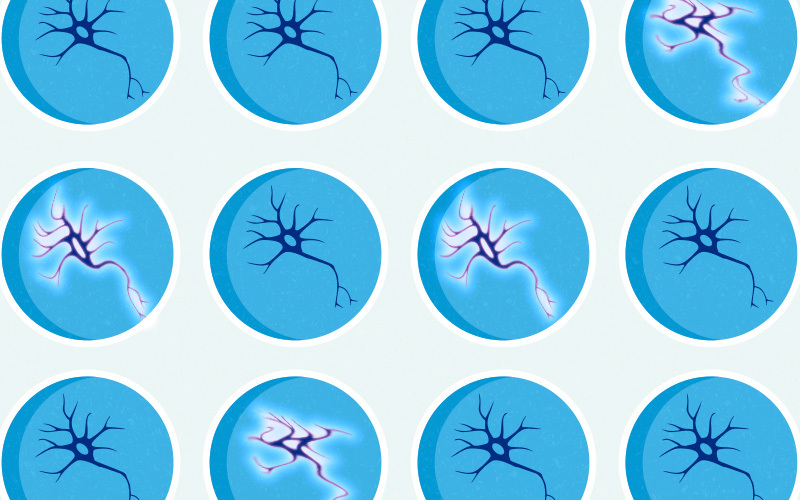
Motor neurons made from patients’ cells reveal possible ALS drugs and targets
Amyotrophic lateral sclerosis (ALS) is a severe, fatal neurodegenerative disorder causing loss of motor neurons and voluntary muscle action. While mouse studies have identified potential treatments, these drugs have typically done very poorly in human trials. “One of the most difficult challenges in drug discovery is identifying a target that has a key role in ... Read More about Motor neurons made from patients’ cells reveal possible ALS drugs and targets