

Archive for imaging

Regular physical activity linked to more ‘fit’ preteen brains
We know exercise has many health benefits. A new study from Boston Children’s Hospital adds another benefit: Physical activity appears to help organize children’s developing brains. The study, led by Dr. Caterina Stamoulis, analyzed brain imaging data from nearly 6,000 9- and 10-year-olds. It found that physical activity was associated with more efficiently organized, robust, ... Read More about Regular physical activity linked to more ‘fit’ preteen brains

Sturdier spikes may explain SARS-CoV-2 variants’ faster spread
The fast-spreading U.K., South Africa, and Brazil variants are raising concerns and questions about whether current COVID-19 vaccines will protect against them. A structural biology study led by Bing Chen, PhD, at Boston Children’s Hospital now reveals how the D614G mutation — carried by all three variants — makes SARS-CoV-2 spread faster. Key takeaways: The main ... Read More about Sturdier spikes may explain SARS-CoV-2 variants’ faster spread

At the forefront of kidney stone removal: Innovative approaches transform patient care
No longer considered just an adult problem, kidney stones increasingly affect children as well. The majority of children who cannot pass stones on their own can be treated with minimally invasive approaches such as extracorporeal shock wave lithotripsy, ureteroscopy, percutaneous nephrolithotomy, laparoscopic and robotic approaches and, rarely, open surgery. Now, two recent innovations provide additional ... Read More about At the forefront of kidney stone removal: Innovative approaches transform patient care
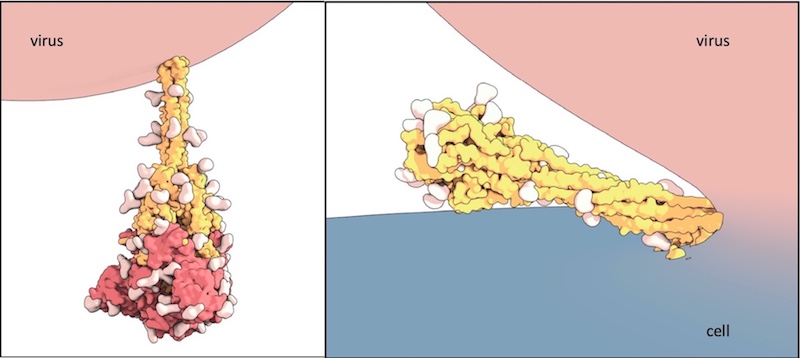
Capturing SARS-CoV-2’s shape-shifting spike protein
The rod-like spike proteins on the surface of SARS CoV-2 are the tip of the spear of the COVID-19 pandemic. The spikes bind to human cells via the ACE2 receptor and then dramatically change shape. They jack-knife, folding in on themselves to fuse their own membrane with the membrane of our cells. And that opens ... Read More about Capturing SARS-CoV-2’s shape-shifting spike protein

Monitoring for breast cancer after childhood chest radiation: When and how?
Chest radiation is used to treat children with Hodgkin and non-Hodgkin lymphoma as well as lung metastases in various solid tumors. But radiation itself is a potential cancer risk. That includes an increased risk for breast cancer later in life. Girls receiving chest radiation for childhood cancer face a breast cancer risk as high as ... Read More about Monitoring for breast cancer after childhood chest radiation: When and how?
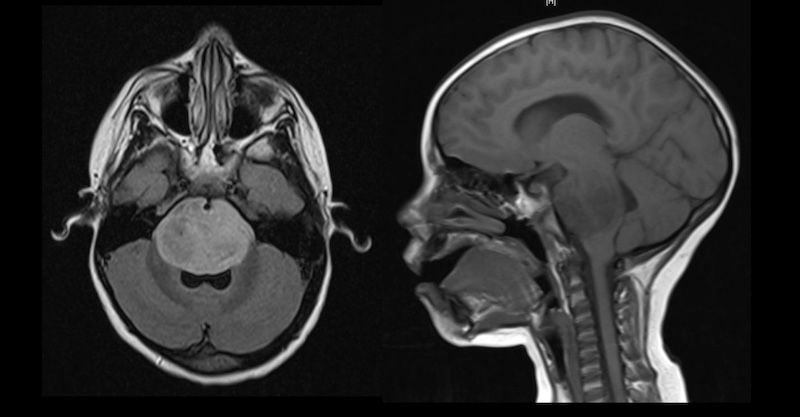
Guidance for assessing treatment response in pediatric brain tumors
Assessing patients’ response to cancer therapy can be challenging, especially in neuro-oncology. Generally, we assess treatment response by a change in tumor size on MRI scan. However, with brain tumors, changes on MRI scan can be difficult to interpret. A decrease in tumor size may indicate treatment is having an effect; however, a drug can ... Read More about Guidance for assessing treatment response in pediatric brain tumors
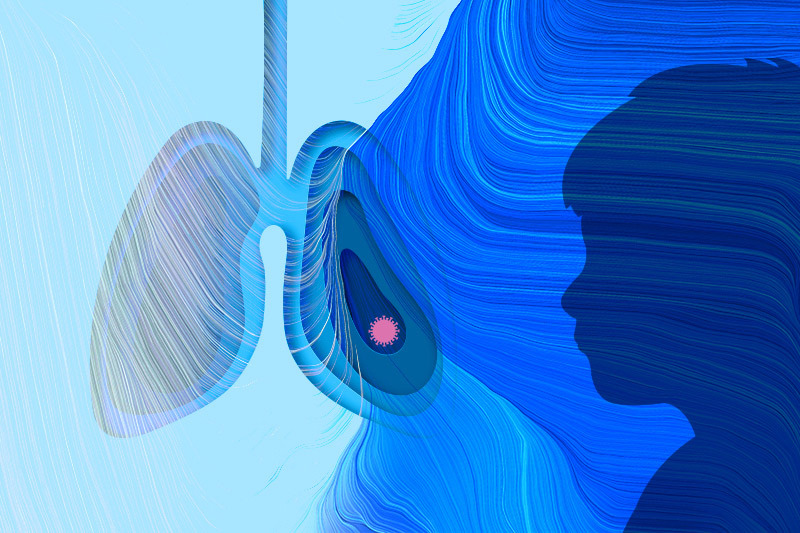
Radiology of COVID-19 infection in children: Imaging findings and recommendations
Key takeaways:· Lung images in children with COVID-19 show unique features, including the halo sign.· Chest X-ray and CT images differ significantly from early to late infection.· New imaging guidelines recommend when to perform imaging studies on children with COVID-19. As more children become infected with the coronavirus causing COVID-19, lung imaging shows that the ... Read More about Radiology of COVID-19 infection in children: Imaging findings and recommendations
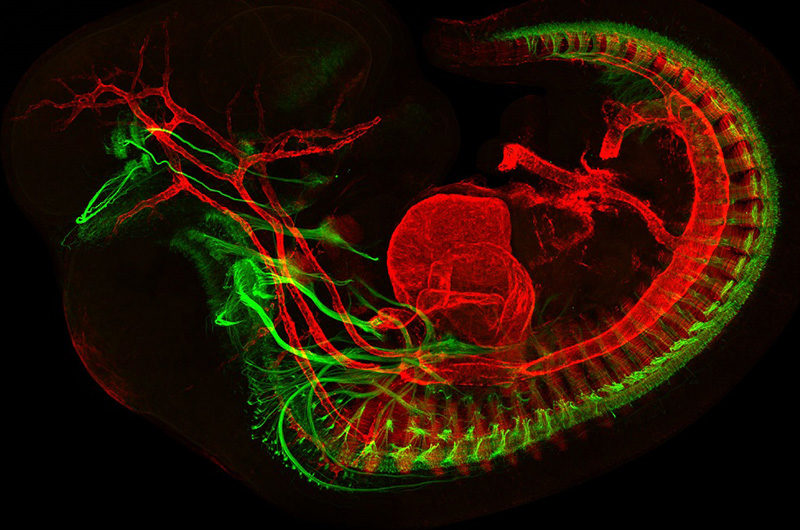
The Beauty of the Brain
Every year, the Harvard Brain Science Initiative sponsors its Beauty of the Brain contest. This year, two Boston Children’s Hospital images are among the six winners drawn from a pool of forty submissions. Above, Mary Whitman, MD, PhD, and Jess Bell, from the laboratory of Elizabeth Engle, MD, developed this image of a developing mouse ... Read More about The Beauty of the Brain
PET imaging shows if PD-1 cancer immunotherapy is working
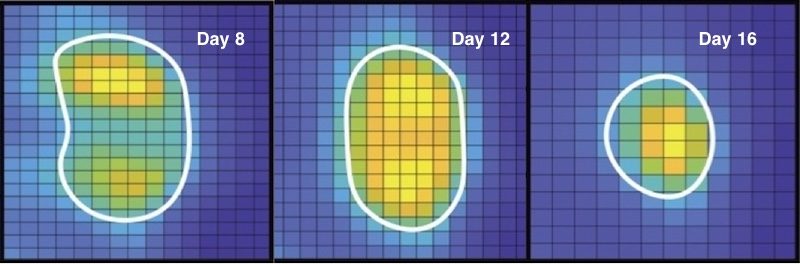
PD-1 is a protein on our T cells that normally keeps these immune cells from running amok. A growing number of cancer drugs are designed to inhibit PD-1, enabling patients’ T-cells to attack and kill cancerous cells. PD-1 blockers such as pembrolizumab (Keytruda) have been helpful in treating several cancers including melanoma, non-small cell lung ... Read More about PET imaging shows if PD-1 cancer immunotherapy is working
First sharp images reveal structure of key inflammatory protein
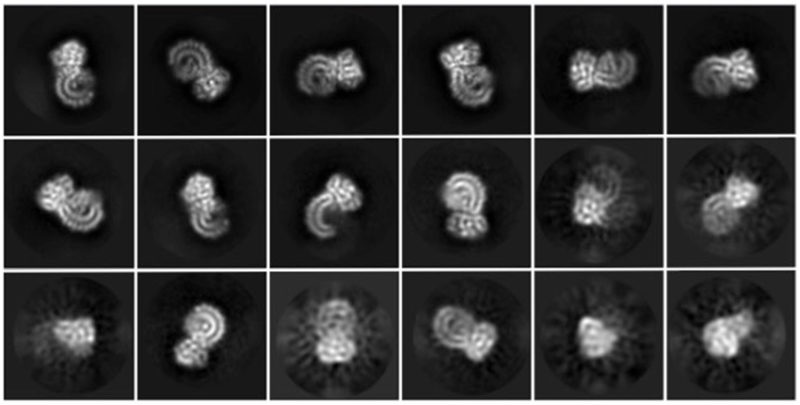
After decades of attempts by the scientific community, researchers have now provided the first clear look at a protein implicated in a vast array of inflammatory conditions. The finding, published recently in Nature, lifts a blindfold that has hampered scientists’ ability to intervene when the immune system overreacts to perceived threats. The protein, known as ... Read More about First sharp images reveal structure of key inflammatory protein