


Diet trials often amend their outcome measures as they go
Ever wonder why science can’t settle simple diet-related questions? In part it’s because most clinical trials involving diet, even those published in good journals, lack the rigor of most drug trials. They’re often small, of short duration, and unable to rigorously control subjects’ adherence to the test diets. Moreover, a study published today in JAMA ... Read More about Diet trials often amend their outcome measures as they go
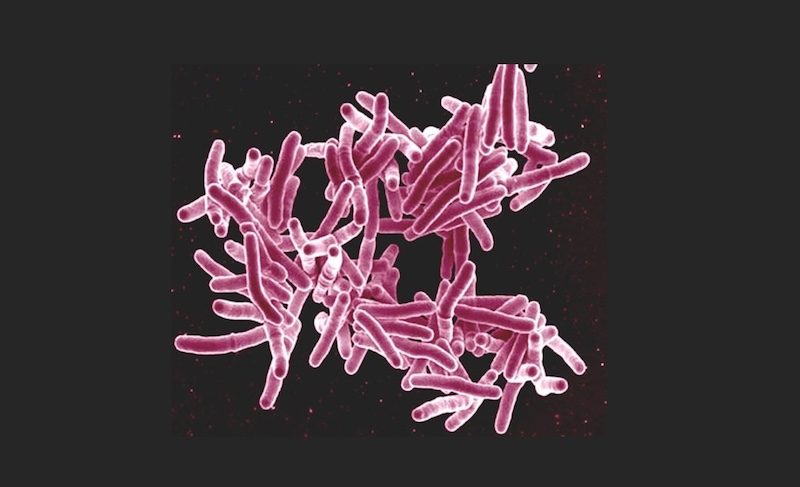
Boosting host immune defenses to treat tuberculosis
Current treatment regimens for Mycobacterium tuberculosis (Mtb), the causative agent of tuberculosis, are long, complex, and hard for people to sustain. Moreover, the bacteria often develop drug resistance, and many people harbor multi-drug-resistant strains. In 2018 alone, nearly 1.5 million people died from tuberculosis worldwide. Now, a study in iScience suggests a new approach that ... Read More about Boosting host immune defenses to treat tuberculosis
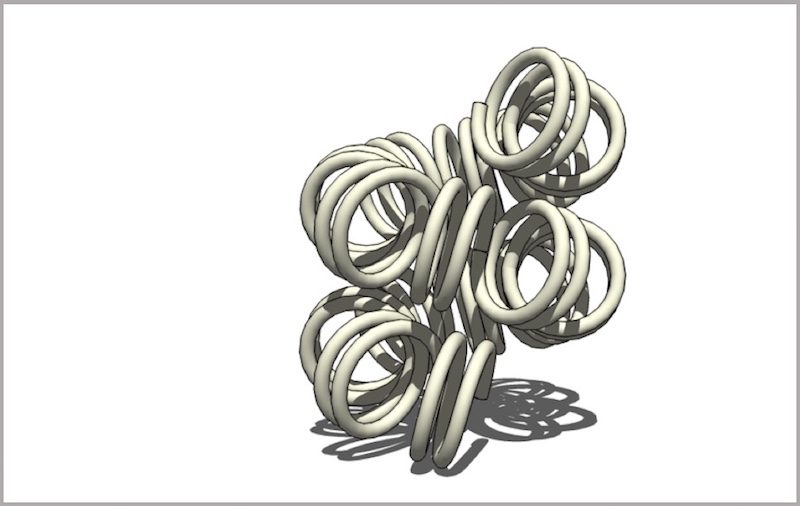
Unlocking antibody diversity: chromatin loops, V(D)J recombination, and class switching
A new study from the laboratory of Frederick Alt, PhD, of the Program in Cellular and Molecular Medicine (PCMM) at Boston Children’s Hospital reveals yet another way in which chromatin regulation — changing the configuration of our DNA and its packaging — enables our immune systems to produce its wide-ranging arsenal of antibodies. In September in the ... Read More about Unlocking antibody diversity: chromatin loops, V(D)J recombination, and class switching

CHIP-ing away at health and medicine for 25 years: A look back
In 1994, when CHIP was formed, the dotcom boom was just dawning. iPhones and social media (except for the earliest versions) were more than a decade away. Bill Clinton was president. Isaac Kohane, MD, PhD, had just completed a fellowship in endocrinology at Boston Children’s Hospital under the mentorship of Joseph Majzoub, MD. He wanted ... Read More about CHIP-ing away at health and medicine for 25 years: A look back
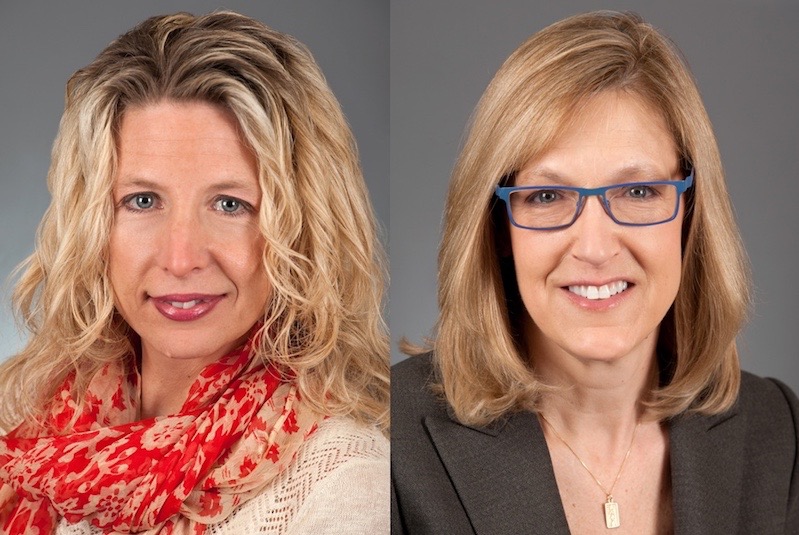
Two neuroscience rock stars elected to the National Academy of Medicine
Beth Stevens, PhD, and Elizabeth Engle, MD, are the latest Boston Children’s Hospital researchers to be elected to the prestigious National Academy of Medicine. Their election, together with Daphne Haas-Kogan, MD, brings Boston Children’s total number of current NAM members to 22. Both scientists hail from the F.M. Kirby Neurobiology Center at Boston Children’s and are ... Read More about Two neuroscience rock stars elected to the National Academy of Medicine
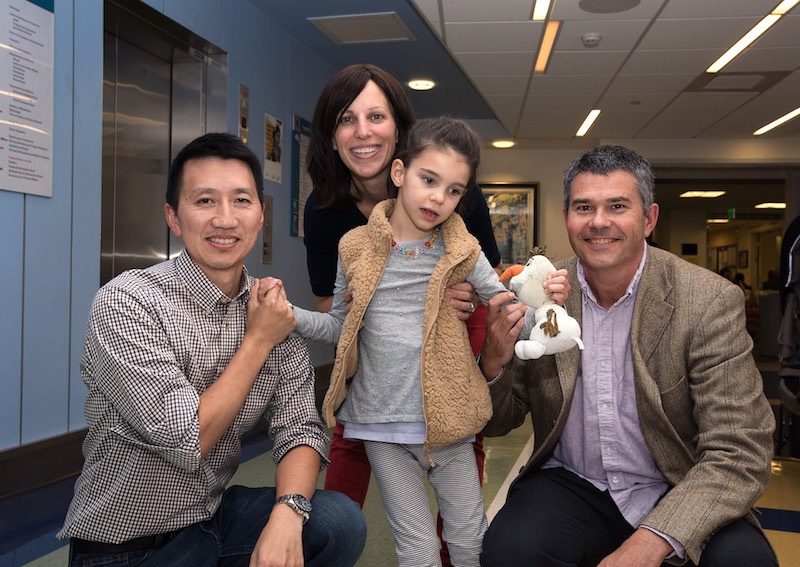
Shooting for the moon: From diagnosis to custom drug, in one year
Ed. note: Mila passed away in February 2021, at age 10. The Mila’s Miracle Foundation continues to work to pave a pathway for personalized treatments. The FDA recently released a draft guidance on testing custom antisense oligonucleotides (ASOs) in patients. One weekend in January 2017, Timothy Yu, MD, PhD, was relaxing at home when his ... Read More about Shooting for the moon: From diagnosis to custom drug, in one year
Hope in the shadow of Li-Fraumeni syndrome
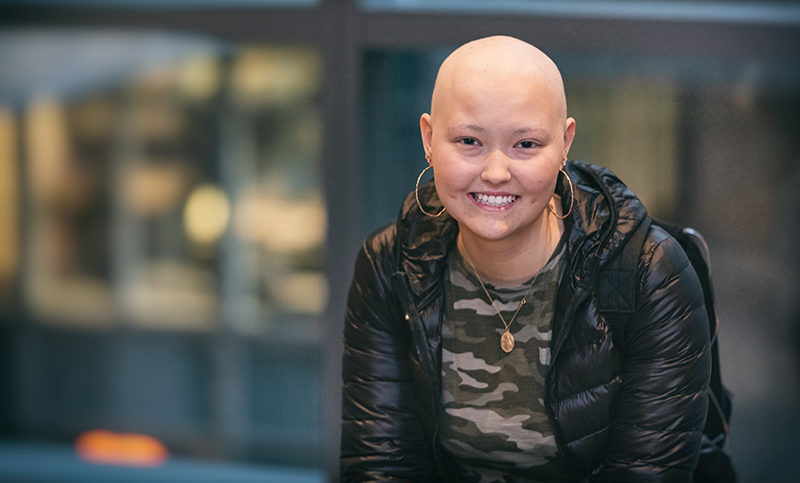
Jake was diagnosed with his first cancer — osteosarcoma — in 2007 when he was only 16 years old. Meanwhile, his mom was being treated for recurrent cancer and his brother also would soon be diagnosed with cancer. Within the space of a few years, all three family members had died. This was not the ... Read More about Hope in the shadow of Li-Fraumeni syndrome
Exploring autism by way of three rare genetic disorders
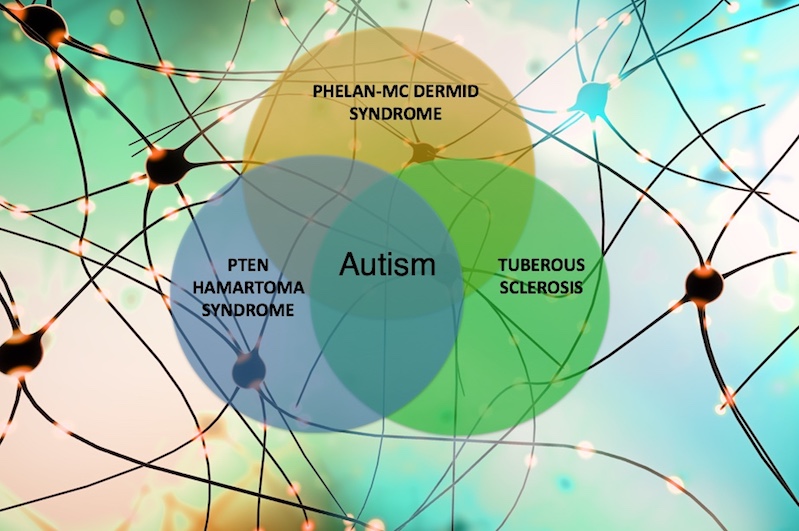
Rajna Filip-Dhima, MS is a senior project manager for the Translational Neuroscience Center at Boston Children’s Hospital and for the Developmental Synaptopathies Consortium, which just received a new cycle of NIH funding. Autism spectrum disorder (ASD) is now believed to affect 1 in 59 children in the U.S. Over the past five years, Boston Children’s Hospital ... Read More about Exploring autism by way of three rare genetic disorders
Exploring an unsung part of the brain: the choroid plexus
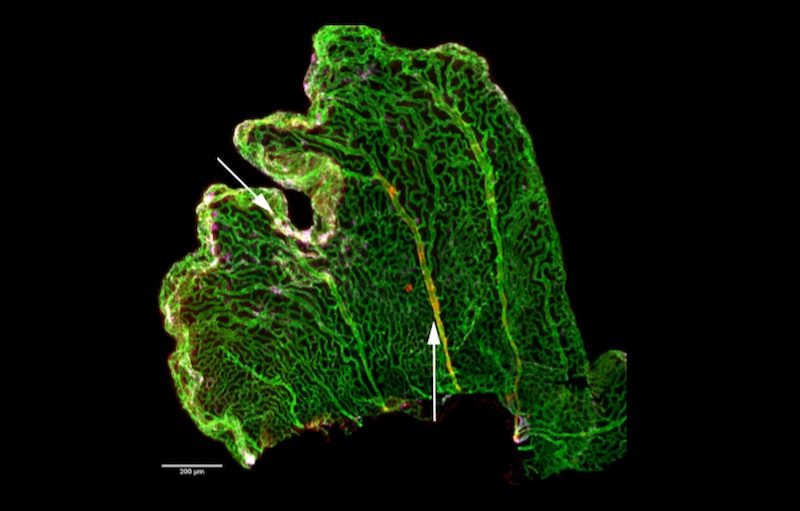
If you’ve never heard of the choroid plexus, you’re not alone. In fact, few neuroscientists know much about this part of the brain. In the words of the late comedian Rodney Dangerfield, the choroid plexus “don’t get no respect.” But that’s beginning to change, thanks in part to Maria Lehtinen, PhD, who has made the ... Read More about Exploring an unsung part of the brain: the choroid plexus
Diet, the microbiome, and how insulin resistance causes metabolic syndrome
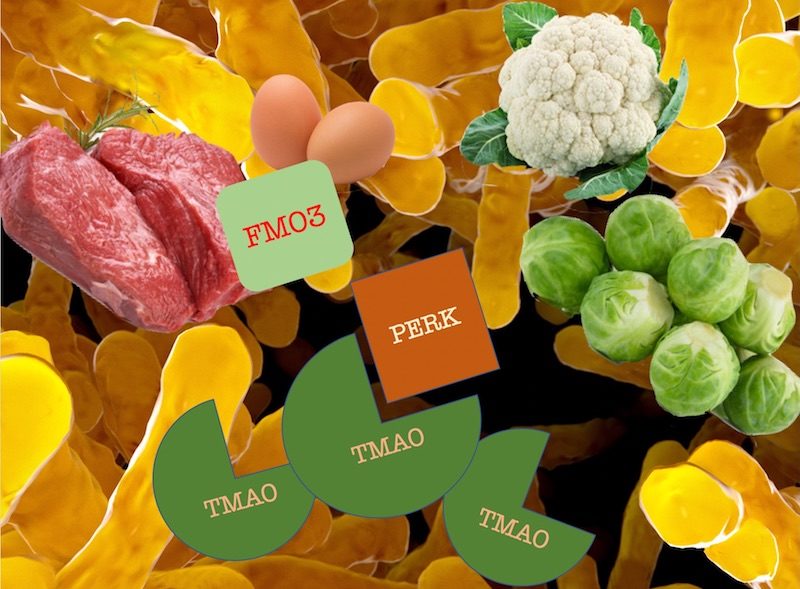
Up to a third of U.S. adults have metabolic syndrome, a constellation of high blood pressure, high blood sugar, excess body fat around the waist, and abnormal cholesterol levels. Now considered to be epidemic, metabolic syndrome increases people’s risk of diabetes, heart disease, and stroke, as well as kidney and neurodegenerative disease. Metabolic syndrome is ... Read More about Diet, the microbiome, and how insulin resistance causes metabolic syndrome