


Babies and screen time: New research calls for caution
If you’re a parent, you’ve probably been there. You have a baby howling for attention, but you need to cook dinner or get a sibling to take a much-needed nap. Baby TV shows, touch tablets, and digital phone toys can feel like lifesavers in keeping an active infant calm and contained while juggling what life ... Read More about Babies and screen time: New research calls for caution

New research discovery could shorten ICU stays for children with diabetic ketoacidosis
When a child with diabetic ketoacidosis (DKA) requires intensive care, clinicians often monitor blood ketone levels to determine whether treatment has successfully reversed the abnormal ketone production. Yet, the utility of blood ketone levels to diagnose DKA or determine whether a child’s DKA has resolved have not been rigorously studied. But now, research by Elise Tremblay, ... Read More about New research discovery could shorten ICU stays for children with diabetic ketoacidosis
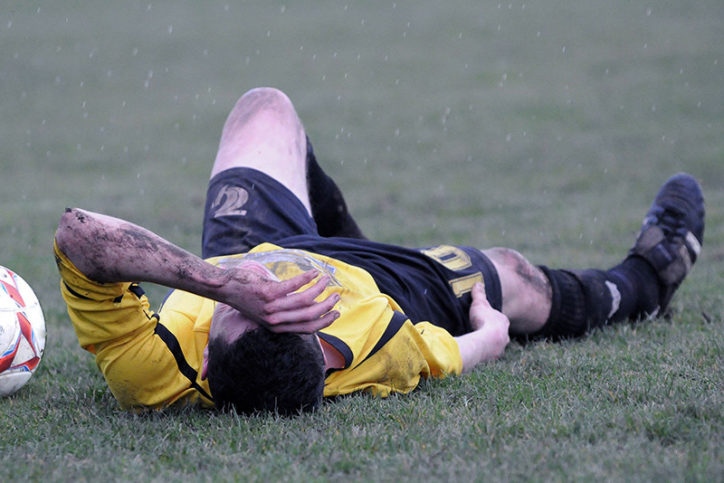
Teens aren’t small adults: Rethinking surgical treatment of adolescent clavicle fracture
Until about 15 years ago, most clavicle fractures were allowed to heal with minimal medical intervention. That changed after a 2007 study reported better shoulder function after plate-fixation surgery. Although the study participants were adults, the rate of surgical treatment subsequently increased across all age groups. Now, a landmark study at Boston Children’s Hospital demonstrates ... Read More about Teens aren’t small adults: Rethinking surgical treatment of adolescent clavicle fracture
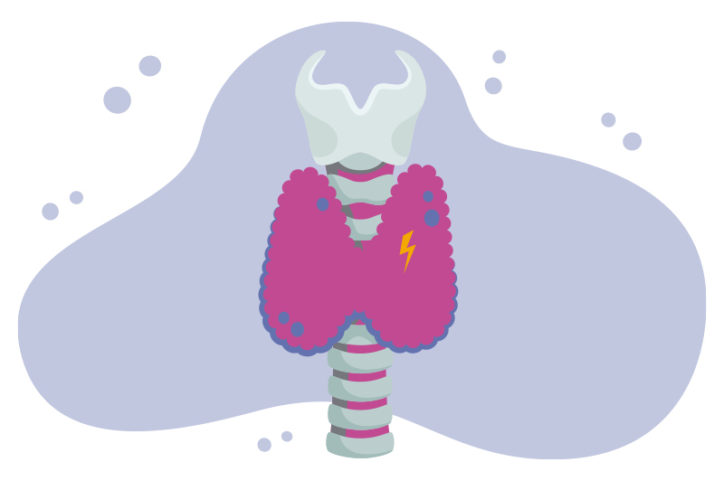
Does thyroid cancer in children behave differently than in adults?
Once relatively uncommon, pediatric thyroid cancer is increasing among children and is now the most common type of cancer diagnosed in adolescents. As the oldest program of its kind in the U.S. — and one of the only centers dedicated to pediatric thyroid disease — Boston Children’s Thyroid Center is at the forefront of research on ... Read More about Does thyroid cancer in children behave differently than in adults?
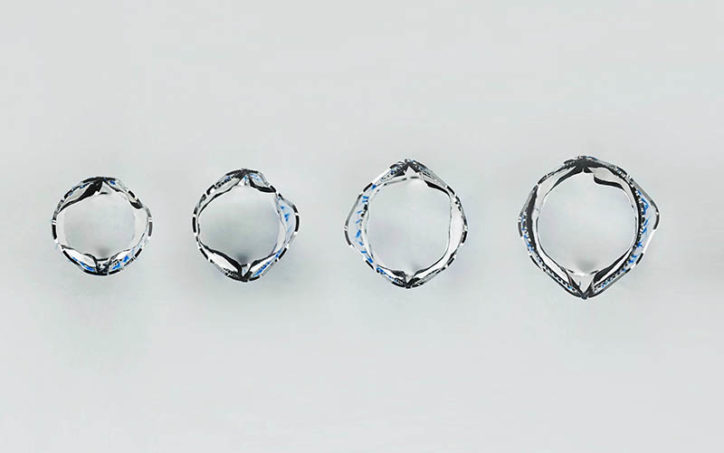
A heart valve that grows along with a child could reduce invasive surgeries
Clinical trials have started for the first prosthetic pulmonary valve replacement that is specifically designed for pediatric patients and can expand over time inside a child’s anatomy. Instead of having invasive replacement surgeries every few years, as is the practice now, a child can have the valve fitted to their individual body size and, if ... Read More about A heart valve that grows along with a child could reduce invasive surgeries

Research 2022: Tackling disease in new ways
Researchers across Boston Children’s spent 2022 imagining new solutions to old challenges in health and medicine, opening the door to brand-new treatments. Here are a few areas where research is poised to make a difference in children’s — and even adults’ — lives. Rethinking disease through genetics Genetic sequencing is becoming a fundamental tool for discovering ... Read More about Research 2022: Tackling disease in new ways

How a leukemia hijacks the genes needed by blood stem cells
As a child, Lynn Aureli didn’t know that a particular genetic change contributed to her acute myeloid leukemia (AML) — an alteration that eventually would help explain the cancer’s lack of response to chemotherapy. Nor was she aware that her cancer had hijacked the genetic mechanism for maintaining the stem cells that form blood, like ... Read More about How a leukemia hijacks the genes needed by blood stem cells
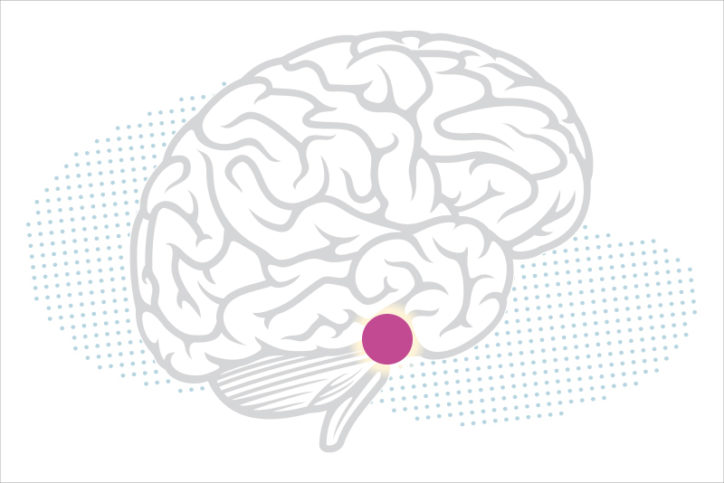
Research opens a window into understanding deadly brain tumors
Formerly known as diffuse intrinsic pontine gliomas, diffuse midline gliomas (DMGs) are highly aggressive tumors found in the midline of the brain. Their prognosis is very poor, in part because they don’t respond well to treatments such as chemotherapy and radiation. Now, research by Mariella Filbin, MD, PhD, and others in the Brain Tumor Center ... Read More about Research opens a window into understanding deadly brain tumors

Understanding BRUEs: Recent study sheds light
Brief resolved unexplained events (BRUEs) are episodes marked by concerning changes in breathing, consciousness, muscle tone, and skin color (cyanosis or paleness). They tend to occur in previously healthy infants and send worried parents racing to the emergency department. However, researchers know little about the risk of persistent symptoms after BRUE hospitalizations. To learn more, ... Read More about Understanding BRUEs: Recent study sheds light
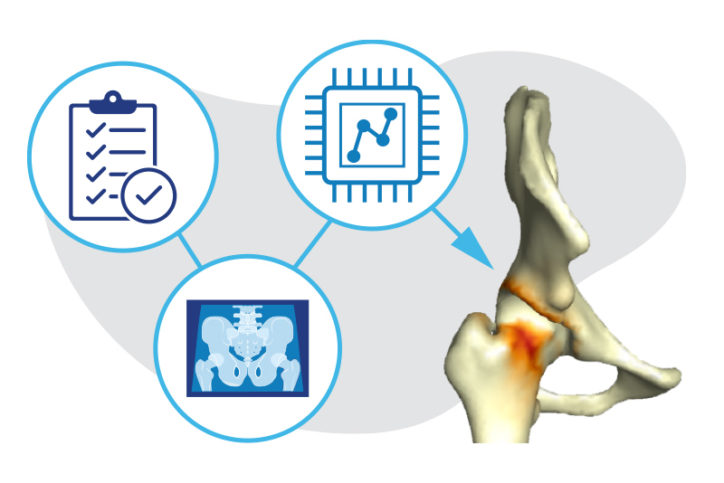
AI could change the way we look at hip preservation
Orthopedic surgeons and biomedical engineers are trained to approach adolescent and young adult hip pain from two different perspectives. Surgeons typically look at conditions such as femoroacetabular impingement (FAI) and hip dysplasia from a clinical point of view. Engineers more often focus on the technology angle. These two perspectives have come together at Boston Children’s ... Read More about AI could change the way we look at hip preservation