

Unlocking antibody diversity: chromatin loops, V(D)J recombination, and class switching
A new study from the laboratory of Frederick Alt, PhD, of the Program in Cellular and Molecular Medicine (PCMM) at Boston Children’s Hospital reveals yet another way in which chromatin regulation — changing the configuration of our DNA and its packaging — enables our immune systems to produce its wide-ranging arsenal of antibodies. In September in the ... Read More about Unlocking antibody diversity: chromatin loops, V(D)J recombination, and class switching

Two neuroscience rock stars elected to the National Academy of Medicine
Beth Stevens, PhD, and Elizabeth Engle, MD, are the latest Boston Children’s Hospital researchers to be elected to the prestigious National Academy of Medicine. Their election, together with Daphne Haas-Kogan, MD, brings Boston Children’s total number of current NAM members to 22. Both scientists hail from the F.M. Kirby Neurobiology Center at Boston Children’s and are ... Read More about Two neuroscience rock stars elected to the National Academy of Medicine
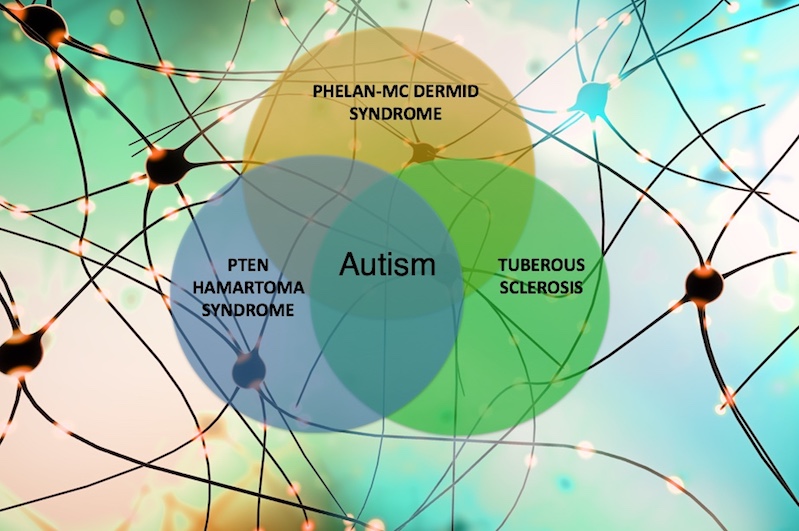
Exploring autism by way of three rare genetic disorders
Rajna Filip-Dhima, MS is a senior project manager for the Translational Neuroscience Center at Boston Children’s Hospital and for the Developmental Synaptopathies Consortium, which just received a new cycle of NIH funding. Autism spectrum disorder (ASD) is now believed to affect 1 in 59 children in the U.S. Over the past five years, Boston Children’s Hospital ... Read More about Exploring autism by way of three rare genetic disorders
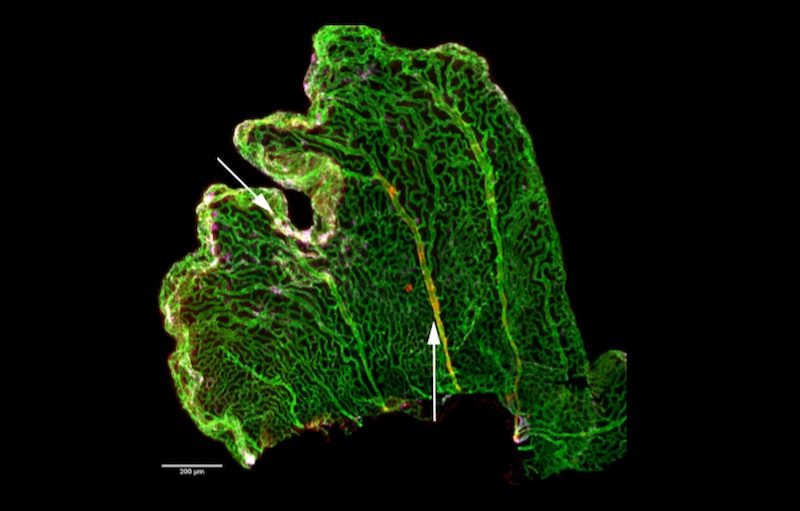
Exploring an unsung part of the brain: the choroid plexus
If you’ve never heard of the choroid plexus, you’re not alone. In fact, few neuroscientists know much about this part of the brain. In the words of the late comedian Rodney Dangerfield, the choroid plexus “don’t get no respect.” But that’s beginning to change, thanks in part to Maria Lehtinen, PhD, who has made the ... Read More about Exploring an unsung part of the brain: the choroid plexus
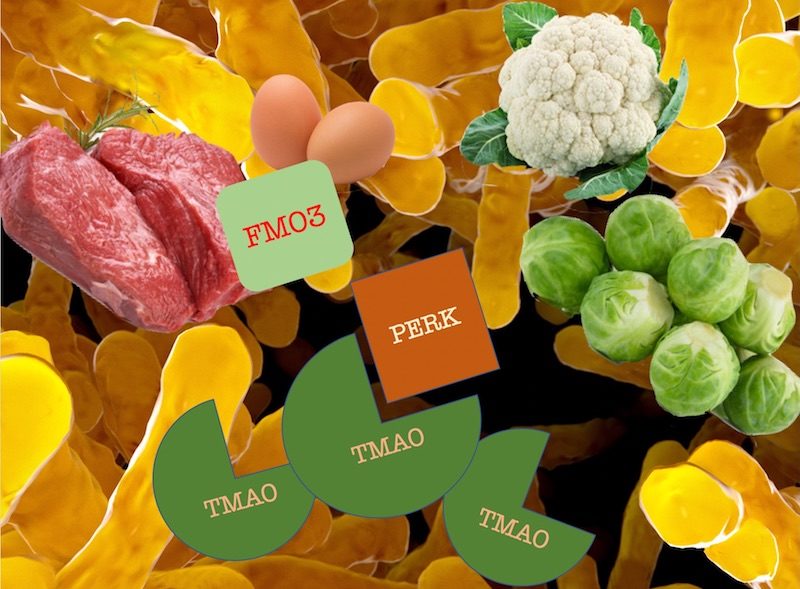
Diet, the microbiome, and how insulin resistance causes metabolic syndrome
Up to a third of U.S. adults have metabolic syndrome, a constellation of high blood pressure, high blood sugar, excess body fat around the waist, and abnormal cholesterol levels. Now considered to be epidemic, metabolic syndrome increases people’s risk of diabetes, heart disease, and stroke, as well as kidney and neurodegenerative disease. Metabolic syndrome is ... Read More about Diet, the microbiome, and how insulin resistance causes metabolic syndrome
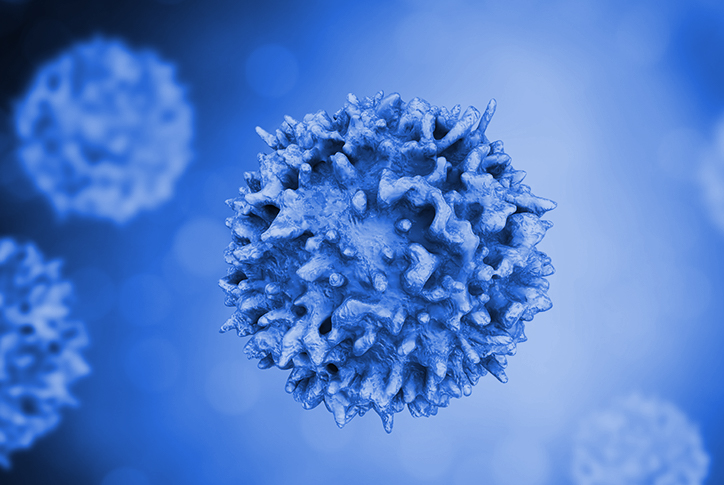
Targeting a rogue T cell prevents and reverses multiple sclerosis in mice
Multiple sclerosis is an autoimmune disease affecting both adults and children. It’s driven by “helper” T cells, white blood cells that mount an inflammatory attack on the brain and spinal cord, degrading the protective myelin sheath that covers nerve fibers. But there are many different kinds of T helper cells, and up until now, no ... Read More about Targeting a rogue T cell prevents and reverses multiple sclerosis in mice
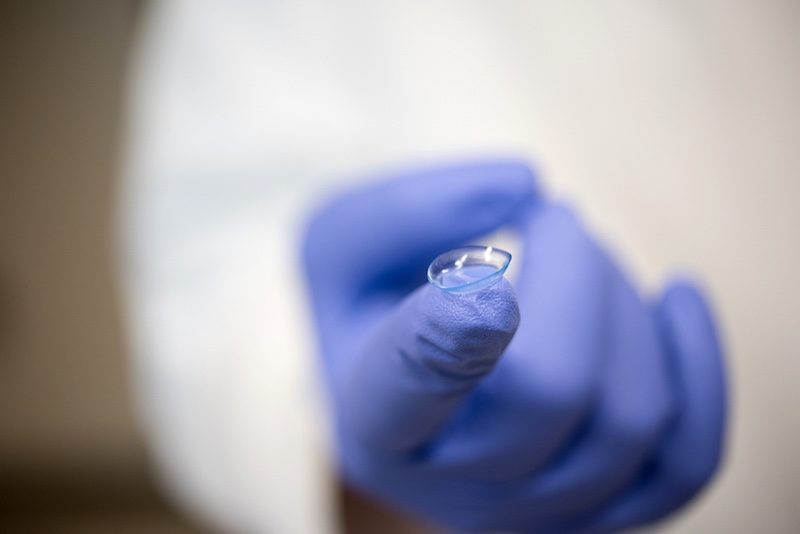
An advance for drug-eluting contact lenses: Delivery to the back of the eye
Drug-eluting contact lenses, which gradually release drugs into the eye, offer a promising alternative to daily eye drops, which can be unpleasant and hard for patients to properly administer. In a 2016 pre-clinical study of glaucoma, the engineered lenses lowered eye pressure at least as well as daily eye drops. New work from Massachusetts Eye ... Read More about An advance for drug-eluting contact lenses: Delivery to the back of the eye

Meet BORIS: A new culprit in drug-resistant cancer?
Like a Russian bot corrupting U.S. elections, or a new prime minister wreaking havoc in the U.K., a protein named BORIS is showing itself to be a malevolent player in some childhood cancers. New research fingers BORIS as a culprit that can hack the neuroblastoma genome, rousing the cancer cells from dormancy after certain types ... Read More about Meet BORIS: A new culprit in drug-resistant cancer?
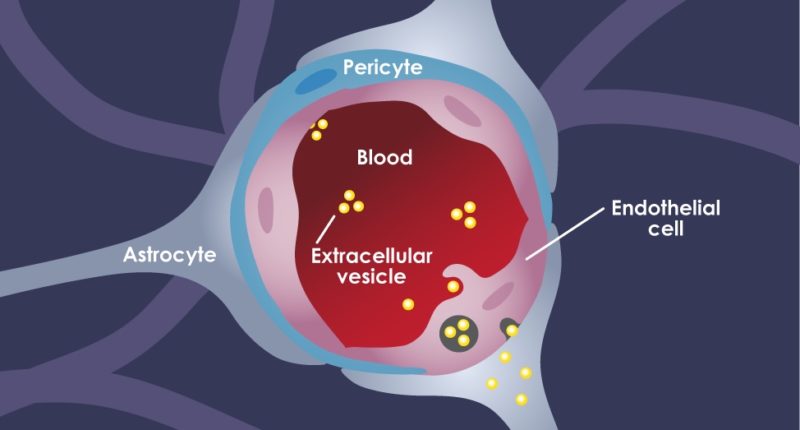
How breast cancer uses exosomes to metastasize to the brain
Metastasizing breast cancers typically seek out the bones, lung, and brain. Brain metastases are especially dangerous; many women survive for less than a year after diagnosis. How is the cancer able to get past the blood brain barrier? And can it be blocked? Those questions led PhD candidate Golnaz Morad, DDS, and her mentor Marsha ... Read More about How breast cancer uses exosomes to metastasize to the brain
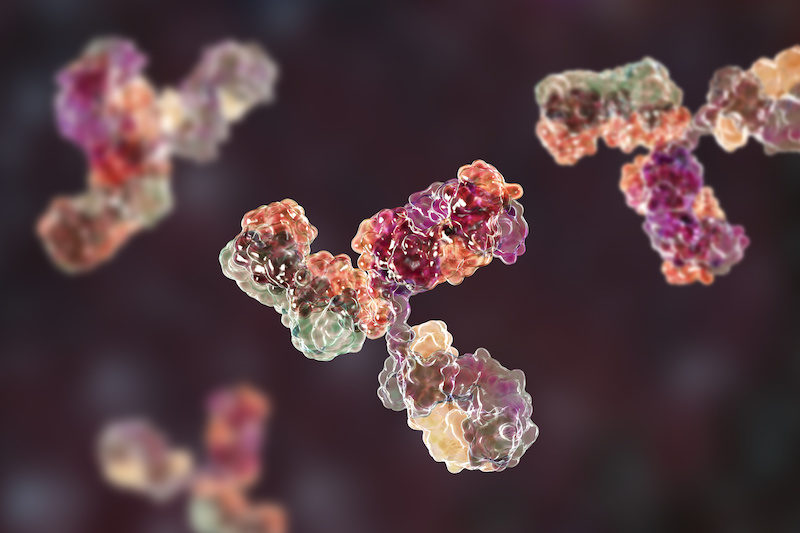
How new loops in DNA packaging help us make diverse antibodies
Diversity is good, especially when it comes to antibodies. It’s long been known that a gene assembly process called V(D)J recombination allows our immune system to mix and match bits of genetic code, generating new antibodies to conquer newly encountered threats. But how these gene segments come together to be spliced has been a mystery. ... Read More about How new loops in DNA packaging help us make diverse antibodies