

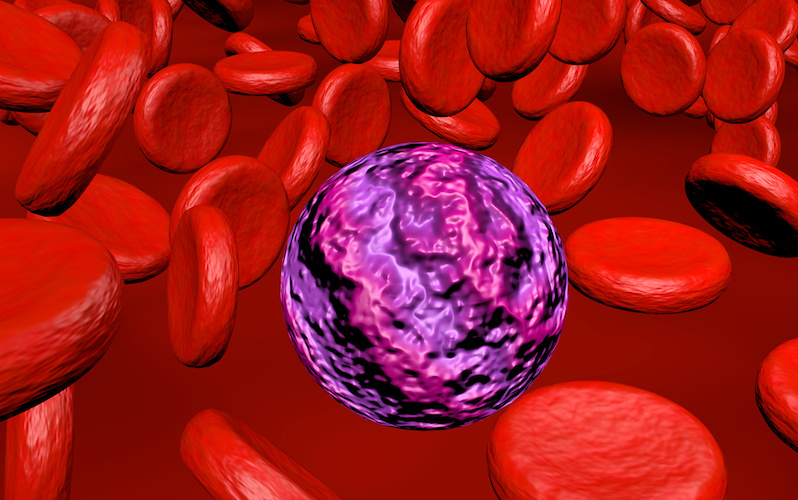
Could leukemia be stopped before it starts?
Acute myeloid leukemia (AML), a blood cancer affecting both adults and children, requires more than one genetic “hit” to develop. As we age, many of us acquire a mutation that enables certain of our blood cells to multiply faster than others, forming their own distinct population. This first hit, known as “clonal hematopoiesis of indeterminate ... Read More about Could leukemia be stopped before it starts?
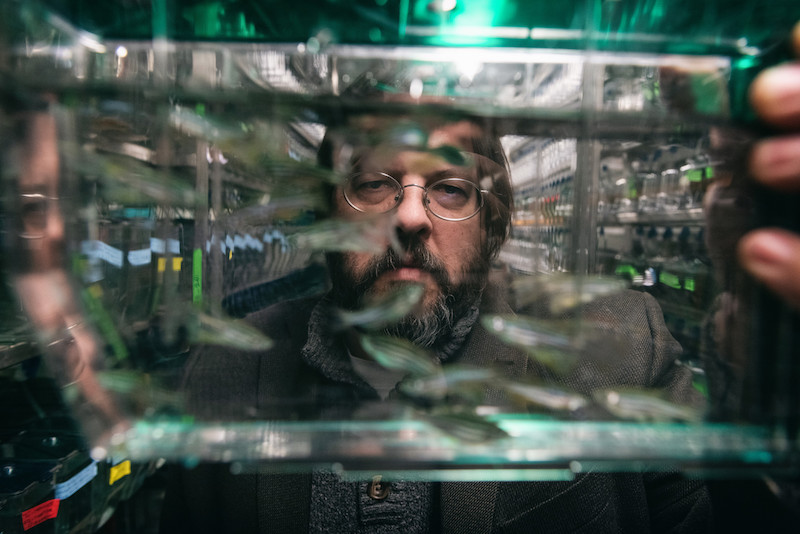
Diving deep: Understanding skeletal conditions with fish models
From fragile ice fish deep in the Antarctic Ocean to flying fish gliding above the Caribbean sea, fish have evolved a fascinating variety of skeletal traits. These traits not only help them adapt to their environments, they are also providing genetic insights into rare human skeletal disorders. Fish are not as genetically different from us ... Read More about Diving deep: Understanding skeletal conditions with fish models
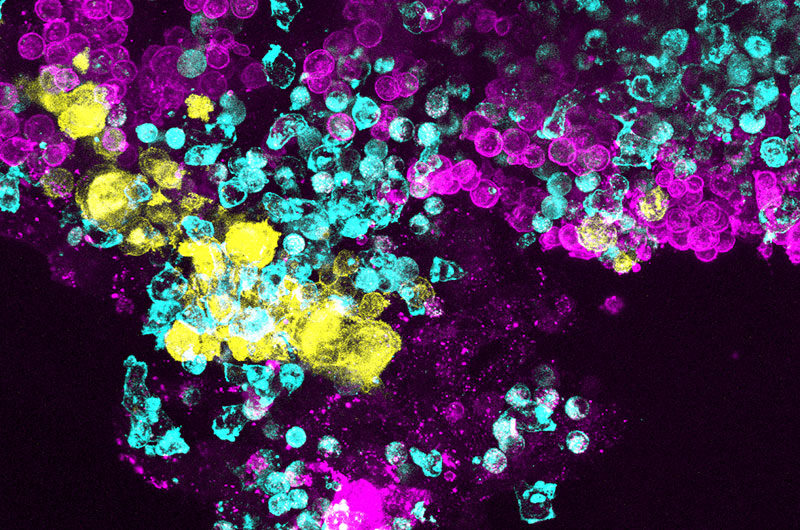
Bone marrow-on-a-chip provides new research directions for Shwachman-Diamond syndrome
A new research tool that mimics the behavior of diseased bone marrow provides a new strategy for understanding the bone marrow disease, Shwachman-Diamond syndrome (SDS), and hopefully, developing new treatments. With SDS, bone marrow fails to produce blood cells normally, leading to bone marrow failure and an increased risk of leukemia. In a research paper ... Read More about Bone marrow-on-a-chip provides new research directions for Shwachman-Diamond syndrome
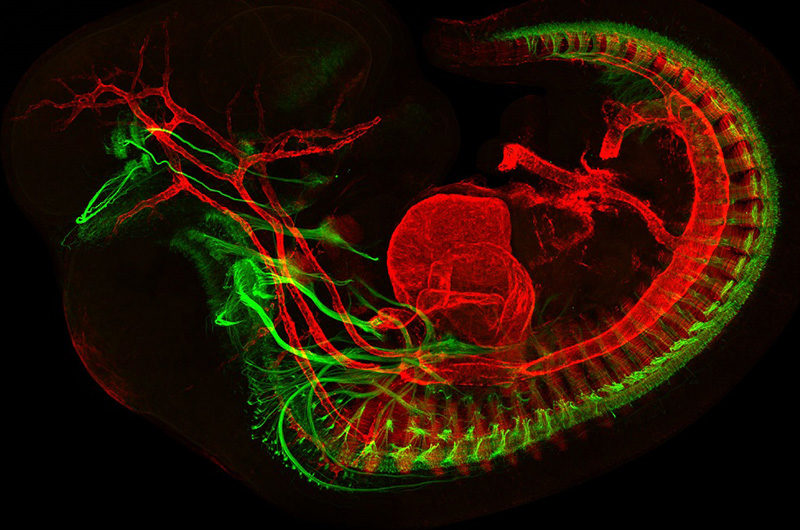
The Beauty of the Brain
Every year, the Harvard Brain Science Initiative sponsors its Beauty of the Brain contest. This year, two Boston Children’s Hospital images are among the six winners drawn from a pool of forty submissions. Above, Mary Whitman, MD, PhD, and Jess Bell, from the laboratory of Elizabeth Engle, MD, developed this image of a developing mouse ... Read More about The Beauty of the Brain
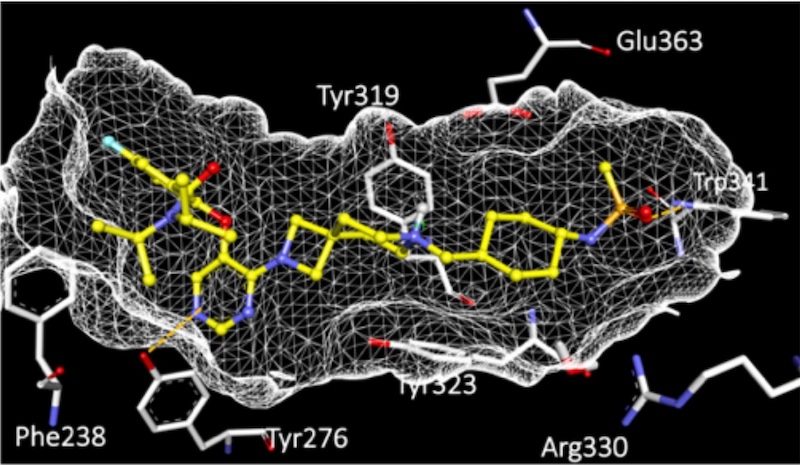
Targeted small-molecule agent shows early promise against a dangerous infant leukemia
Leukemias involving reshuffling or rearrangement of the mixed lineage leukemia (MLL) gene, known as MLL-rearranged or MLL-r leukemias, account for 70 to 80 percent of acute leukemias in infants under one year old. In these blood cancers, a subset of acute myeloid and acute lymphoid leukemias (AML and ALL), the MLL gene breaks and reattaches ... Read More about Targeted small-molecule agent shows early promise against a dangerous infant leukemia
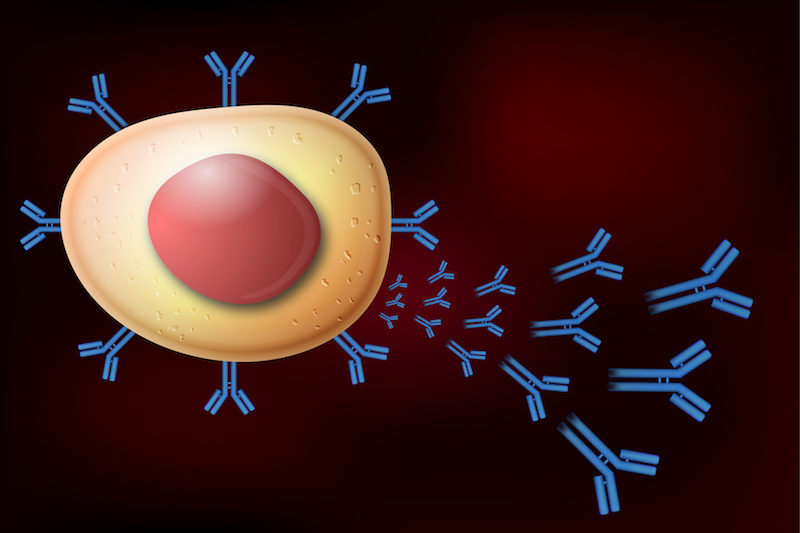
Protecting against HIV by tricking the immune system
In making an HIV vaccine, a major goal is to stimulate production of broadly neutralizing antibodies that can fight multiple strains of the frequently changing virus. To date, experimental HIV vaccines haven’t been able to induce these kinds of antibodies. In fact, the immune system actively stops their production, seeing them as a threat. Another ... Read More about Protecting against HIV by tricking the immune system

Identifying specific markers in blood may improve diagnosis of IBD in children
New research may lead to improved methods to diagnose inflammatory bowel disease (IBD) in children. This could be especially beneficial for those experiencing malnutrition and impaired growth as a result of this condition, since it could shorten their wait time to access needed treatments. Identifying a common gene in blood and colon tissue samples Scientists from Boston ... Read More about Identifying specific markers in blood may improve diagnosis of IBD in children

Internal brain timers linked with motivation and behavior
Time can be measured in many ways: a watch, a sundial, or the body’s natural circadian rhythms. But what about the sexual behavior of a fruit fly? “If you ask a bunch of scientists whether animals can keep time, many would say they cannot, that things happen over time—but time itself is not measured,” says ... Read More about Internal brain timers linked with motivation and behavior
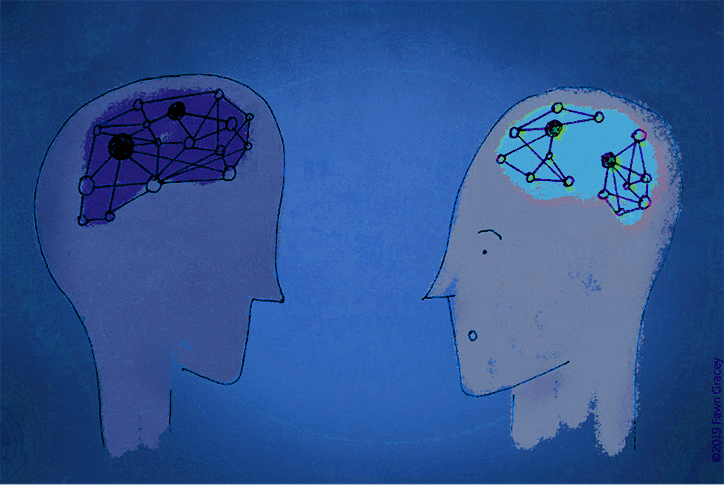
‘Face blindness’ may represent a failed brain network — and could shed light on autism
People with prosopagnosia, or “face blindness,” have trouble recognizing faces — even those of close friends and family members. While some people can compensate by using clothing and other cues, face blindness often creates serious social problems. It often becomes apparent in early childhood, but, rarely, people can acquire face blindness later in life after ... Read More about ‘Face blindness’ may represent a failed brain network — and could shed light on autism
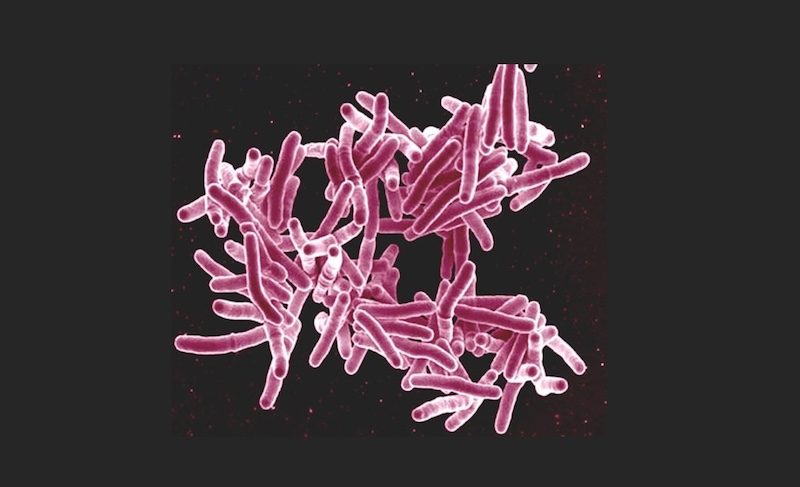
Boosting host immune defenses to treat tuberculosis
Current treatment regimens for Mycobacterium tuberculosis (Mtb), the causative agent of tuberculosis, are long, complex, and hard for people to sustain. Moreover, the bacteria often develop drug resistance, and many people harbor multi-drug-resistant strains. In 2018 alone, nearly 1.5 million people died from tuberculosis worldwide. Now, a study in iScience suggests a new approach that ... Read More about Boosting host immune defenses to treat tuberculosis