

Archive for Nancy Fliesler
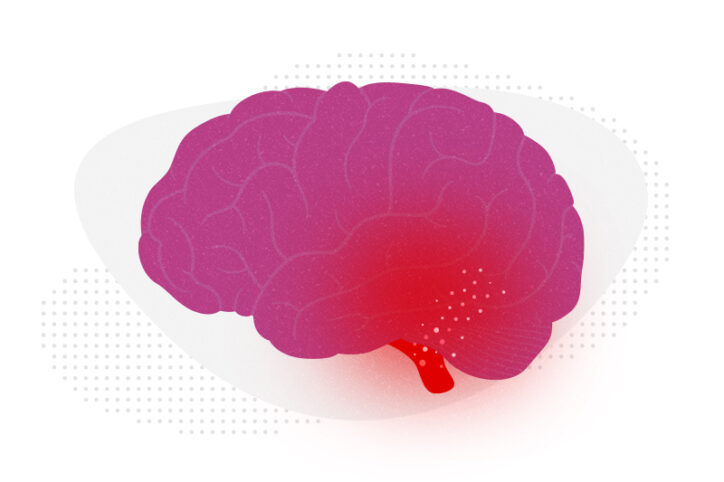
Could SIDS be caused by unrecognized brain infections?
Some infants who pass away from sudden infant death syndrome (SIDS) are known to have had acute minor infections. Could these have played a role in their death? Using next-generation molecular tools, a new study provides evidence that undiagnosed inflammation and occult infection can contribute to SIDS and the brainstem pathology seen in some infants. ... Read More about Could SIDS be caused by unrecognized brain infections?

Microvillus inclusion disease: From organoids to new treatments
Microvillus inclusion disease (MVID) is a rare type of congenital enteropathy in infants that causes devastating diarrhea and an inability to absorb food. Infants can lose liters of fluid a day, become severely dehydrated, and stop growing. There is no specific treatment. “Until about 10 years ago, 50 percent of kids with MVID would die ... Read More about Microvillus inclusion disease: From organoids to new treatments
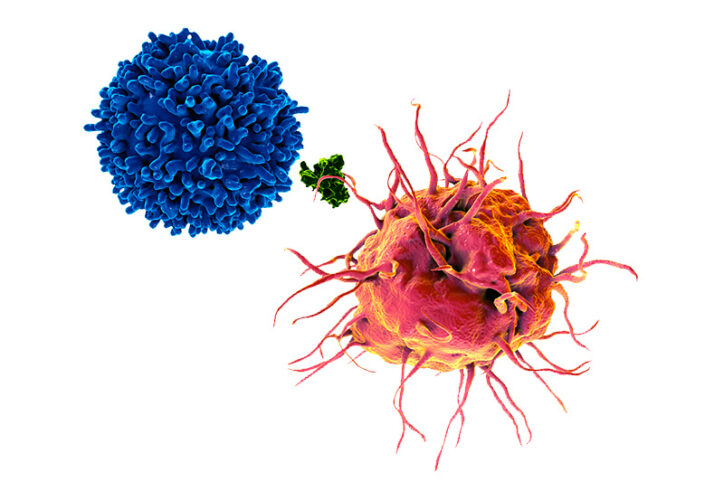
Exposing a tumor’s antigens to enhance immunotherapy
Successful immunotherapy for cancer involves activating a person’s own T cells to attack the tumor. But some tumors have a trick: They hide themselves from the immune system by preventing their antigens from being displayed, a necessary step in activating T cells. In new work published in Science, researchers in the Program in Cellular and ... Read More about Exposing a tumor’s antigens to enhance immunotherapy

Combining CAR-T cells and inhibitor drugs for high-risk neuroblastoma
Chimeric antigen receptor (CAR)-T cell therapy is a potent emerging weapon against cancer, altering patients’ T cells so they can better find and destroy tumor cells. But CAR-T cell therapy doesn’t work well in every cancer — including many cases of neuroblastoma, a cancer that begins in young children’s nerve tissue and can metastasize to ... Read More about Combining CAR-T cells and inhibitor drugs for high-risk neuroblastoma
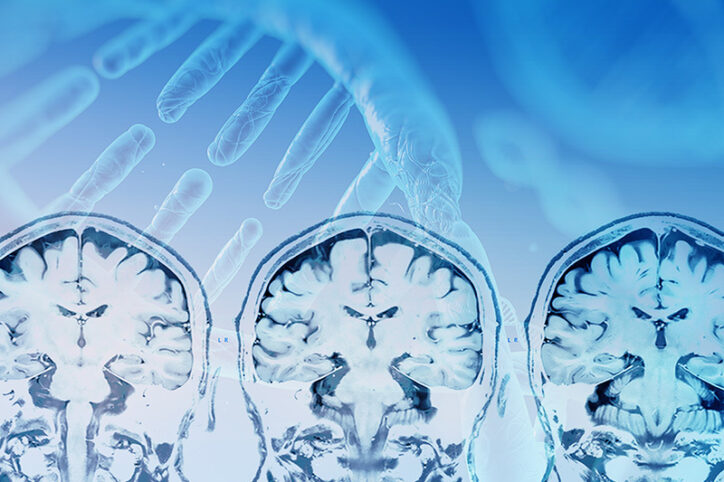
When diagnosis is just the first step: The Brain Gene Registry
Through advances in genetic sequencing, many children with rare, unidentified neurodevelopmental disorders are finally having their mysteries solved. But are they? “Once families receive results of genetic testing, that’s just the beginning of a new journey,” says Maya Chopra, MBBS, FRACP, an investigator with the Rosamund Stone Zander Translational Neuroscience Center at Boston Children’s Hospital. ... Read More about When diagnosis is just the first step: The Brain Gene Registry

Revisiting race and ethnicity in clinical guidelines
Health care institutions often rely on clinical pathways in assessing patients and making decisions about their care. Some of these care algorithms incorporate race, ethnicity, or ancestry as factors in decision making. But is this helpful or harmful? And is there solid evidence to justify treating people of different racial or ethnic backgrounds differently? Robert ... Read More about Revisiting race and ethnicity in clinical guidelines
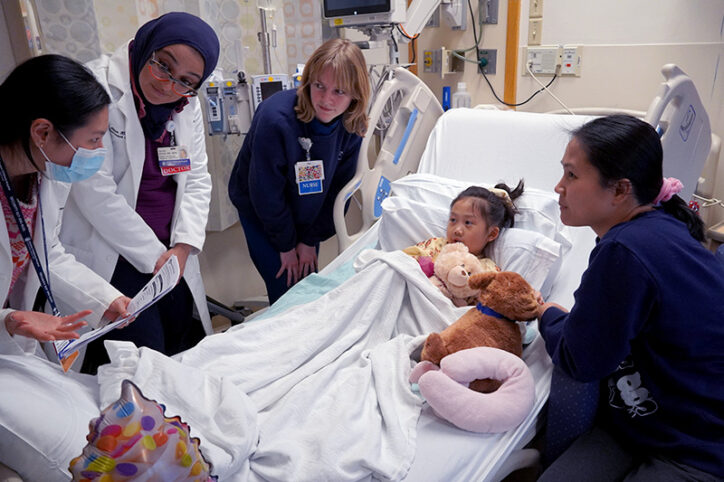
Helping clinicians embrace family-centered rounds
If you’ve ever been hospitalized, you may have experienced this: groups of doctors coming in and talking about you like you’re not there or addressing you in a perfunctory manner, using medical jargon you don’t understand. Peggy Markle was taken aback when her son was hospitalized for a not-yet-defined condition in Washington and his care ... Read More about Helping clinicians embrace family-centered rounds
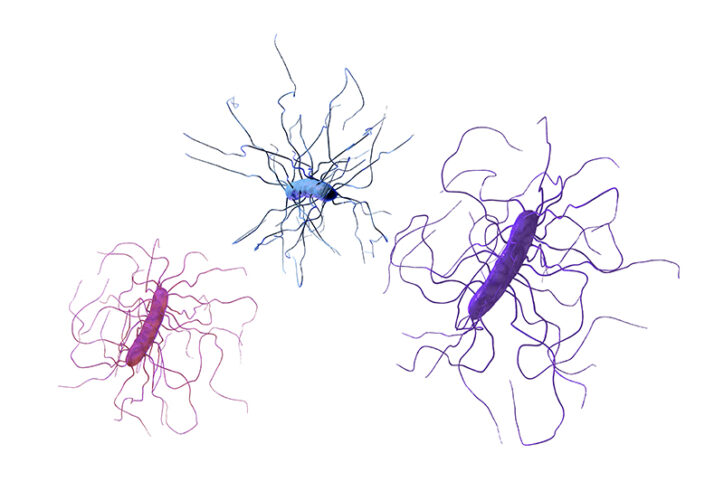
Could a GI bug’s toxin curb hard-to-treat breast cancer?
Clostridium difficile can cause devastating inflammatory gastrointestinal infections, with much of the damage inflicted by a toxin the bug produces. But research from Boston Children’s Hospital suggests that the same toxin could also be a useful tool for curbing highly aggressive triple-negative breast cancers that don’t respond to chemotherapy. Min Dong, PhD, in the Department ... Read More about Could a GI bug’s toxin curb hard-to-treat breast cancer?

Infantile spasms: Speeding referrals for all infants
Infantile epileptic spasms syndrome (IESS), often called infantile spasms, is the most common form of epilepsy seen during infancy. Prompt diagnosis and referral to a neurologist are essential. Infantile spasms can present subtly, and research indicates that diagnosis is often delayed. Additionally, infants are especially likely to experience delays in referral to a neurologist if ... Read More about Infantile spasms: Speeding referrals for all infants
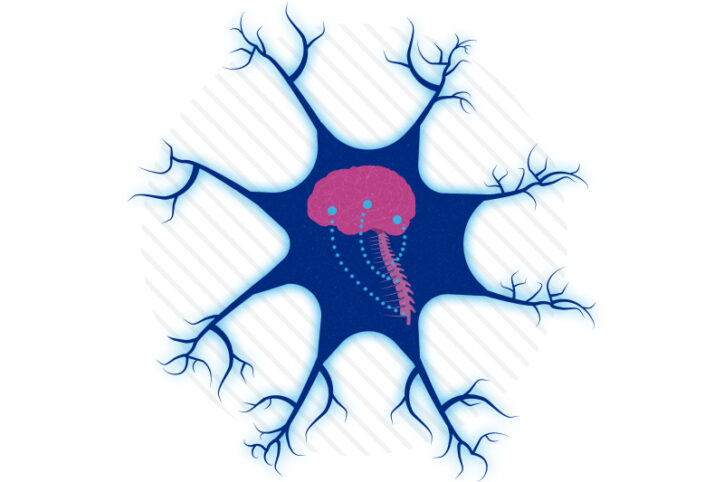
New leads for spinal cord injury: Mapping spinal-projecting neurons in the brain
Only a fraction of people who sustain a spinal cord injury fully regain their motor function. While rehabilitation can help, scientists have long looked for ways to regenerate injured nerve fibers — including, at Boston Children’s Hospital, Zhigang He, PhD, BM. As part of a collaborative effort by the BRAIN Initiative Cell Census Network, which ... Read More about New leads for spinal cord injury: Mapping spinal-projecting neurons in the brain