

Archive for Nancy Fliesler

COVID-19’s devastating toll: An increase in adolescent suicides and mental health crises
The past decade has seen worrisome increases in self-harm, suicidal ideation, and suicide attempts among adolescents. Two new studies from Boston Children’s Hospital show that the situation became even more acute with the onset of COVID-19. Epidemiologist Maimuna Majumder, PhD, and colleagues at the Computational Health Informatics Program (CHIP) at Boston Children’s partnered with public health ... Read More about COVID-19’s devastating toll: An increase in adolescent suicides and mental health crises
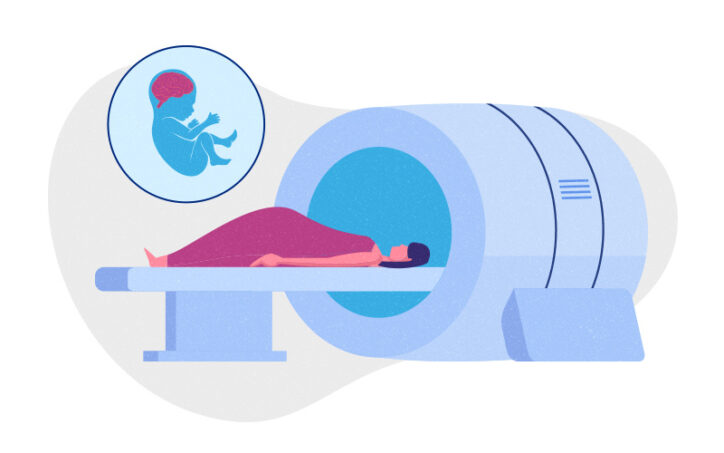
Fetal brain imaging predicts neurodevelopment of babies with congenital heart disease
Children with congenital heart disease (CHD) often have neurodevelopmental impairment. Until fairly recently, this was thought to stem from complications of cardiac surgery or reduced oxygen supply to the brain due to the heart defect. Now we know that some babies with CHD have impaired brain development in utero because of low oxygen supply to ... Read More about Fetal brain imaging predicts neurodevelopment of babies with congenital heart disease
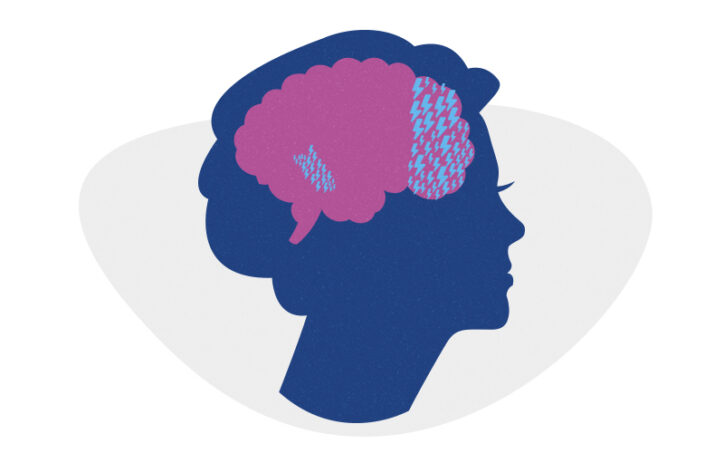
A new angle on the cause of Alzheimer’s disease: Accumulating brain mutations
Alzheimer’s disease is marked by a loss of functional neurons in the brain. But what causes this loss? A new study reveals that people with Alzheimer’s have an abundance of newly acquired mutations in their neurons — more than people of the same age without Alzheimer’s, and enough to disable genes important to brain function. ... Read More about A new angle on the cause of Alzheimer’s disease: Accumulating brain mutations
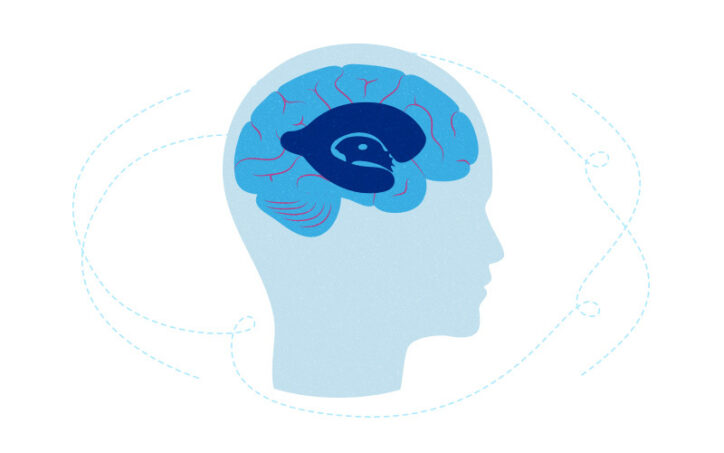
Beyond fluid buildup: Rethinking congenital hydrocephalus
Hydrocephalus is classically seen as a plumbing problem, the result of too much cerebrospinal fluid (CSF) in the brain or dysregulation of fluid flow. It is usually treated with shunts to drain the CSF, or with ETV/CPC, which makes a small hole to drain the CSF and burns off the choroid plexus tissue that produces ... Read More about Beyond fluid buildup: Rethinking congenital hydrocephalus

Climate and children’s health: A conversation with Dr. Aaron Bernstein
When Boston Children’s Hospital pediatrician Dr. Aaron Bernstein was in medical school, he was told that climate change — an interest of his since 7th grade — belonged in the realm of politics, not medicine. One professor told him flat out, “You’re trying to fit a square peg in a round hole.” But another professor ... Read More about Climate and children’s health: A conversation with Dr. Aaron Bernstein

When a critically ill child is homeless
On a single night in 2020, roughly 172,000 in families with children and 34,000 unaccompanied youth under age 25 were homeless, according to government figures. Many more families are housing insecure amid skyrocketing rents. A large body of research finds that both situations put children at increased risk for health problems. Parents may have ... Read More about When a critically ill child is homeless
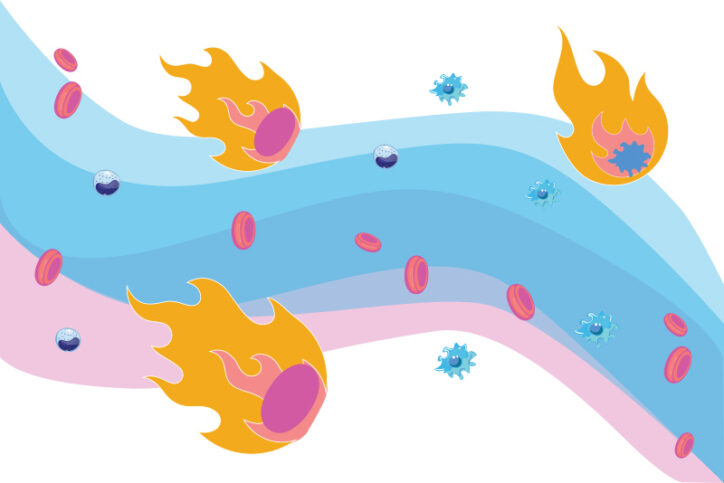
How COVID-19 triggers massive inflammation
Why do some people with COVID-19 develop severe inflammation, leading to respiratory distress and damage to multiple organs? A new study in the journal Nature provides an explanation: the SARS-CoV-2 virus infects and kills critical immune cells in the blood and lungs, which set off powerful alarm bells as they die. Judy Lieberman, MD, PhD, ... Read More about How COVID-19 triggers massive inflammation

Clinical trials in children: Is there racial equity?
The treatments and interventions used in medicine are often based on the results of clinical trials. But trials involving adults haven’t always represented the population as a whole, tending to recruit mostly white middle-class people. As a result, it’s not clear how well the findings apply to people of other racial and ethnic backgrounds. Do ... Read More about Clinical trials in children: Is there racial equity?

COVID vaccination in 5- to 11-year-olds: What does the science say?
The Pfizer–BioNTech COVID-19 vaccine was approved for children ages 5 to 11 in October, but many parents have been hesitant to get them vaccinated. A national study in The New England Journal of Medicine provides reassuring data, showing that the vaccine strongly protected this age group against severe COVID-19. Dr. Adrienne Randolph at Boston Children’s ... Read More about COVID vaccination in 5- to 11-year-olds: What does the science say?
Targeting treatments for vascular anomalies, courtesy of cancer genetics
Vascular anomalies — overgrowths or malformations of the capillaries, veins, arteries, and/or lymphatic vessels — often confound physicians, especially in acute settings. They encompass a diverse group of conditions, all of them rare, and can affect multiple body systems. Many physicians have never encountered vascular anomalies and may be unaware of the risks they sometimes ... Read More about Targeting treatments for vascular anomalies, courtesy of cancer genetics