

Archive for Nancy Fliesler

A new symptom of COVID-19 in young children: Croup
During the Omicron surge, pediatricians and emergency departments (EDs) began noticing something new: a surge in croup among infants and young children. Marked by a distinctive “barking” cough and sometimes noisy, high-pitched intakes of breath, croup can happen when colds and other viral infections cause the voice box, windpipe, and bronchial tubes to become inflamed ... Read More about A new symptom of COVID-19 in young children: Croup
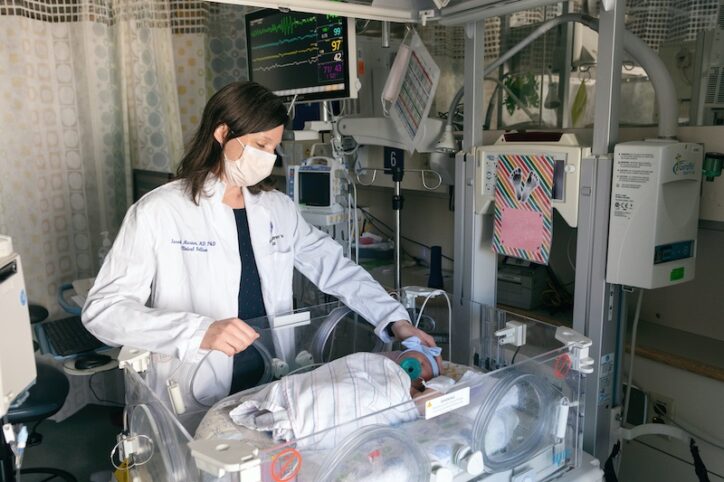
Using genetics to glimpse newborns’ future with congenital heart disease
Aside from infections, congenital heart disease (CHD) is the leading cause of infant mortality. Informed by babies she sees in the NICU, Sarah Morton, MD, PhD, attending physician in the Division of Newborn Medicine at Boston Children’s, has devoted her career to understanding CHD’s genetic causes. Her findings are shedding light on what parents and ... Read More about Using genetics to glimpse newborns’ future with congenital heart disease

Real-time genomic surveillance of bacteria could improve antibiotic therapy
Antibiotic-resistant bacterial infections are increasingly hard to treat, causing more than a million deaths annually around the world. Hospitalized patients with pneumonia, bloodstream infections, urinary tract infections, or abdominal infections are especially at risk. Like a game of Whac-A-Mole, bacteria can develop antibiotic resistance mutations within days of starting an antibiotic, only to be replaced ... Read More about Real-time genomic surveillance of bacteria could improve antibiotic therapy

Sudden, unexplained child deaths often have a genetic cause
When a baby or toddler dies without warning, parents often blame themselves. A study at Boston Children’s may provide some insight into sudden, unexplained child deaths and perhaps a measure of closure. It suggests that at least 10 percent of children who die suddenly have an undiagnosed genetic condition that caused or contributed to their ... Read More about Sudden, unexplained child deaths often have a genetic cause

Sickle cell disease, gene therapy, and blood cancers: Mysteries remain
Gene therapy trials for sickle cell disease have been showing great promise, even offering hope of a cure. But in early 2021, the trials ground to a halt after reports of blood malignancies in two people in a trial sponsored by bluebird bio. Investigations later concluded that the gene therapy delivery vectors were likely not ... Read More about Sickle cell disease, gene therapy, and blood cancers: Mysteries remain
Joining the fight against COVID: Women scientists at Boston Children’s are leading the way
When the COVID-19 pandemic hit in 2020, many women scientists around Boston Children’s pivoted to studying the new coronavirus and its effects. Today on the International Day of Women and Girls in Science, they offer their wisdom and advice on going into science, why they chose to do research on COVID-19, and the challenges they’ve ... Read More about Joining the fight against COVID: Women scientists at Boston Children’s are leading the way
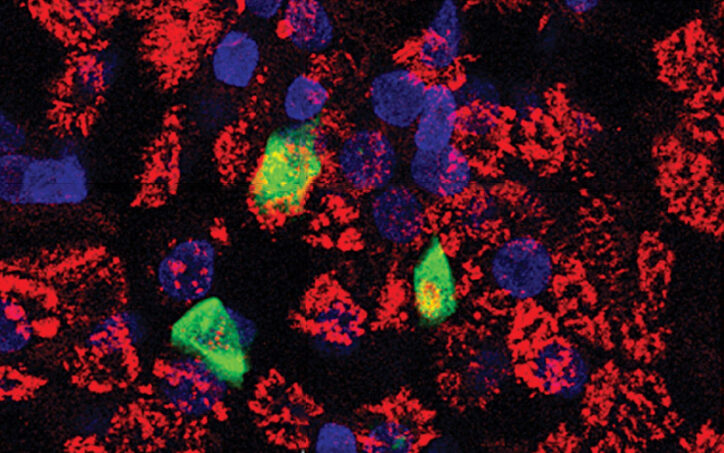
A respiratory model of COVID-19, made from patients’ own cells
What happens in our respiratory tract once COVID-19 invades? A three-dimensional airway model, made from patient-derived stem cells, could provide answers about the initial stages of infection. The model not only replicates the infection process, but can be used to test potential antiviral drugs. Ruby Wang, MD, attending physician in Boston Children’s Division of Pulmonary ... Read More about A respiratory model of COVID-19, made from patients’ own cells
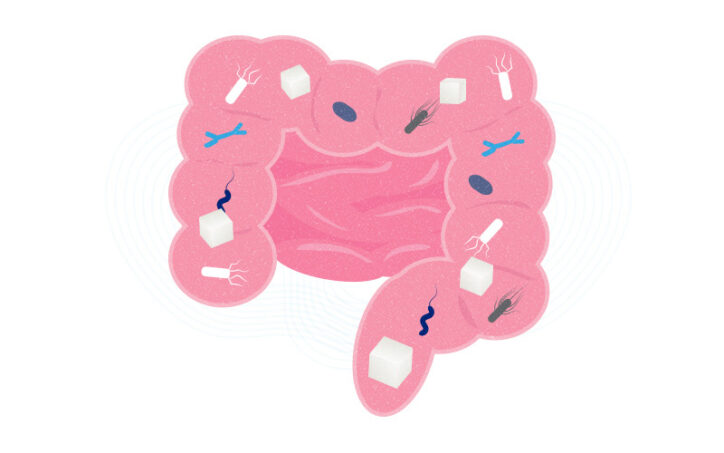
Shaping our intestinal microbiome: What makes certain microbes more ‘fit’?
We now know the microbes that live in our intestines — often called our microbiome — influence our health in many ways. The balance among competing microbial species is believed to contribute to inflammatory bowel disease (IBD), immune disorders, food allergy, neurodegenerative diseases, cancer, and more. The sugars in our diets, in turn, influence that ... Read More about Shaping our intestinal microbiome: What makes certain microbes more ‘fit’?
Can we harness intestinal cells to treat endocrine disorders?
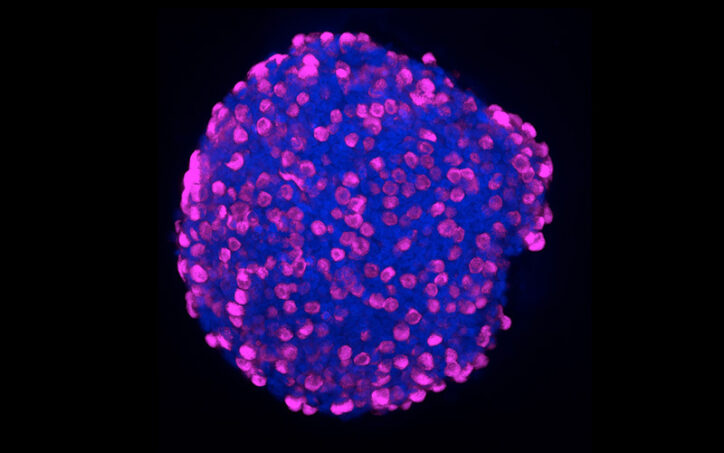
Enteroendocrine cells punch above their weight. Comprising just about 1 percent of intestinal cells, they produce, as a group, around 15 different hormones. These not only regulate intestinal function and digestion, but also influence metabolic functions like insulin secretion and appetite regulation. A new technology platform developed at Boston Children’s could set the stage for ... Read More about Can we harness intestinal cells to treat endocrine disorders?

Rethinking the origins of cerebral palsy
Cerebral palsy (CP) has widely been viewed as the result of perinatal oxygen deprivation or other birth-related factors like prematurity. For many children, this is true. But new work from Boston Children’s finds that up to 1 in 4 have an underlying genetic condition with the potential to change the approach to their care. Findings ... Read More about Rethinking the origins of cerebral palsy