

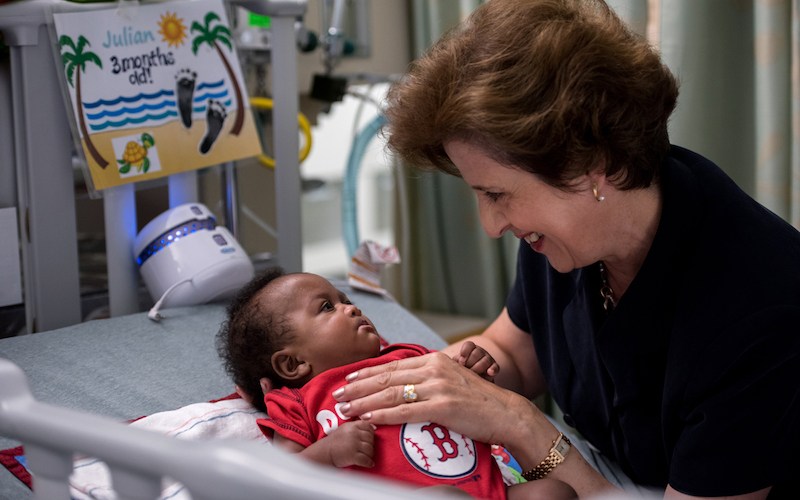
Inspired research in newborn lung disease: Stella Kourembanas, MD
Stella Kourembanas in the NICU with Julian (photos: Katherine Cohen) During the NICU rotation of her clinical training, Stella Kourembanas, MD, sat at the bedside of newborn babies with hypoxia. The newborns weren’t getting enough oxygen and were suffering from pulmonary hypertension — abnormally elevated blood pressure in the lung’s blood vessels. What was triggering ... Read More about Inspired research in newborn lung disease: Stella Kourembanas, MD
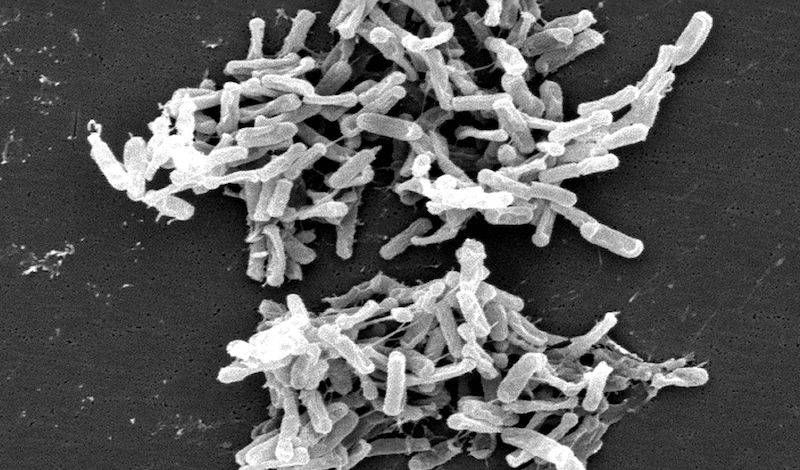
Entry door for deadly C. difficile toxin suggests new mode of protection
Clostridium difficile, also called “C. diff,” tops the CDC’s list of urgent drug-resistant threats. Marked by severe diarrhea and intestinal inflammation, C. diff has become a leading cause of death from gastrointestinal illness, causing half a million infections a year in the U.S. alone. C. diff flourishes best in hospitals and long-term care facilities where people are on ... Read More about Entry door for deadly C. difficile toxin suggests new mode of protection
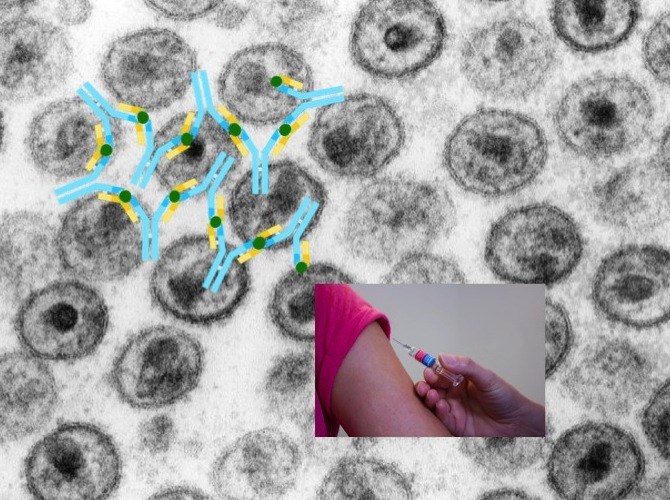
Keeping up with HIV mutations: Building a nimble vaccine test system
An AIDS vaccine able to fight any HIV strain has thus far eluded science. HIV frequently mutates its coat protein, dodging vaccine makers’ efforts to elicit sufficiently broadly neutralizing antibodies. Yet sometimes HIV-infected people can produce such antibodies on their own. This usually requires years of exposure to the virus, allowing the immune system to modify ... Read More about Keeping up with HIV mutations: Building a nimble vaccine test system

BCL11A-based gene therapy for sickle cell disease passes key preclinical test
Research going back to the 1980s has shown that sickle cell disease is milder in people whose red blood cells carry a fetal form of hemoglobin. The healthy fetal hemoglobin compensates for the mutated “adult” hemoglobin that makes red blood cells stiffen and assume the classic “sickle” shape. Normally, fetal hemoglobin production tails off after birth, shut ... Read More about BCL11A-based gene therapy for sickle cell disease passes key preclinical test
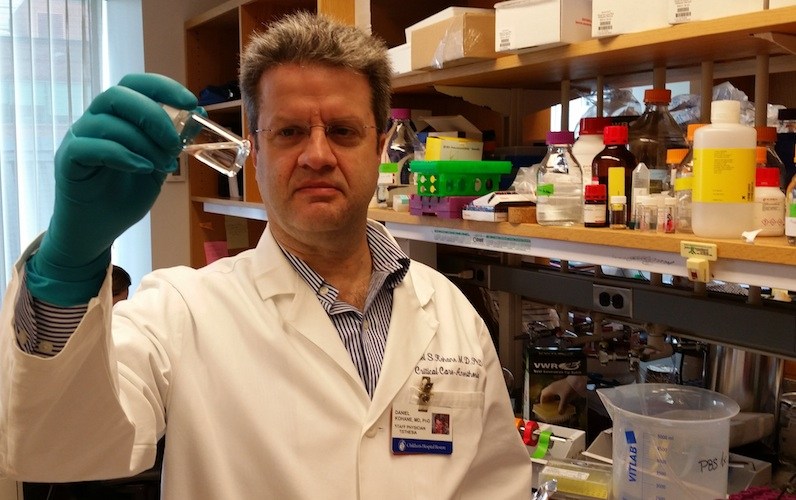
Drug-eluting contact lens offers hope in glaucoma
Daily medicated eye drops are the first line of treatment for glaucoma, the leading cause of irreversible blindness. The drops relieve pressure in the eye, a significant risk factor for glaucoma. But they’re not ideal: their delivery is imprecise, they can cause stinging and burning and patients often struggle to administer them. Adherence is poor: ... Read More about Drug-eluting contact lens offers hope in glaucoma

Acetaminophen does not aggravate young children’s asthma
Your toddler is screaming in pain. Her forehead is burning. You rush to your local drugstore. What do you get — Tylenol or Motrin? And by the way, she also has asthma. Recently, many parents have been under the impression that acetaminophen (Tylenol, etc.) may do more harm than good in young children with asthma. ... Read More about Acetaminophen does not aggravate young children’s asthma

Can asthma be nipped in the bud?
Worldwide, asthma affects an estimated 300 million people, and is expected to surpass 400 million by 2025, according to the World Health Organization. About 1 in 10 U.S. children have asthma, and research shows that the vast majority of them also have allergy. Could that provide a clue to its prevention? Starting at 2 to ... Read More about Can asthma be nipped in the bud?
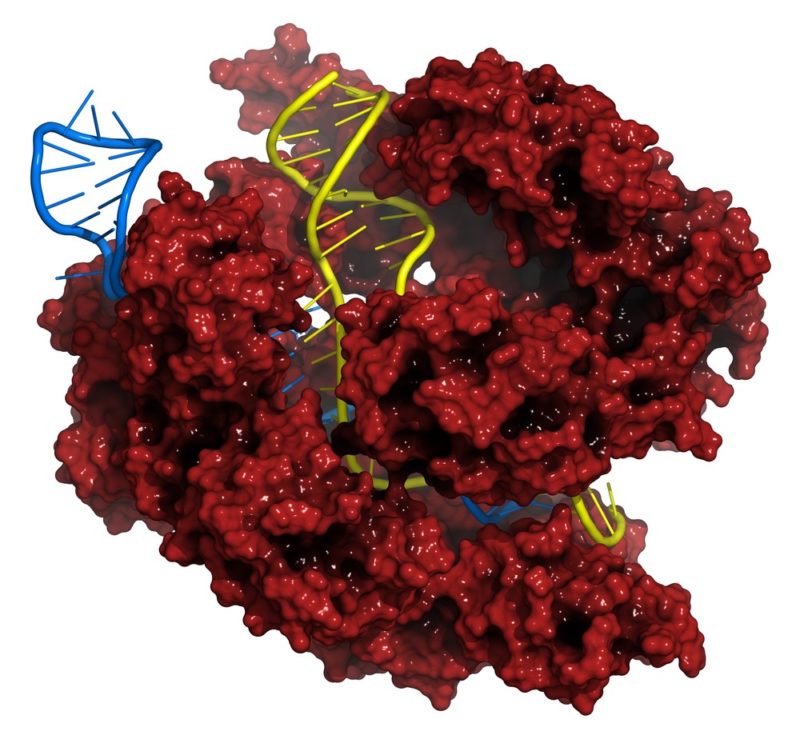
A first for CRISPR: Cutting genes in blood stem cells
CRISPR — a gene editing technology that lets researchers make precise mutations, deletions and even replacements in genomic DNA — is all the rage among genomic researchers right now. First discovered as a kind of genomic immune memory in bacteria, labs around the world are trying to leverage the technology for diseases ranging from malaria ... Read More about A first for CRISPR: Cutting genes in blood stem cells
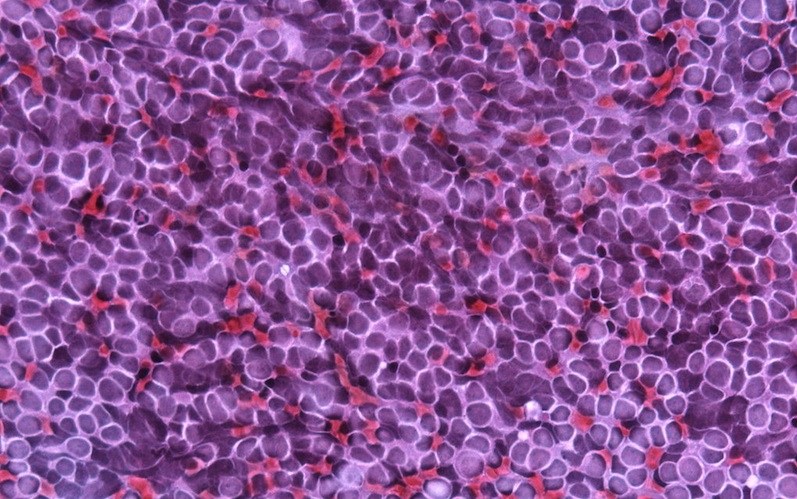
Beyond appearances: Molecular genetics revises brain tumor classification and care
Pomeroy Scott Pomeroy, MD, PhD, is Neurologist-in-Chief at Boston Children’s Hospital. He practices in the Brain Tumor Center and is a member of the F.M. Kirby Neurobiology Center. For almost a century, brain tumors have been diagnosed based on their appearance under a microscope and classified by their resemblance to the brain cells from which ... Read More about Beyond appearances: Molecular genetics revises brain tumor classification and care
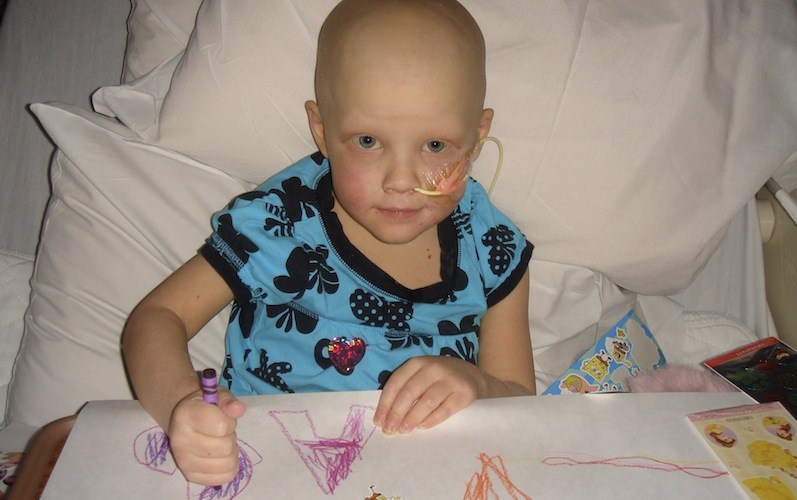
Double stem cell transplant and other tools are helping children survive neuroblastoma
When Emily Coughlin complained of a sore knee in May 2009, doctors initially suspected Lyme disease. After antibiotics failed to relieve the pain, Emily was diagnosed with neuroblastoma, a cancer that begins in nerve cells outside the brain, just shy of her fourth birthday. Though neuroblastomia is rare — about 700 new cases occur annually in the ... Read More about Double stem cell transplant and other tools are helping children survive neuroblastoma