

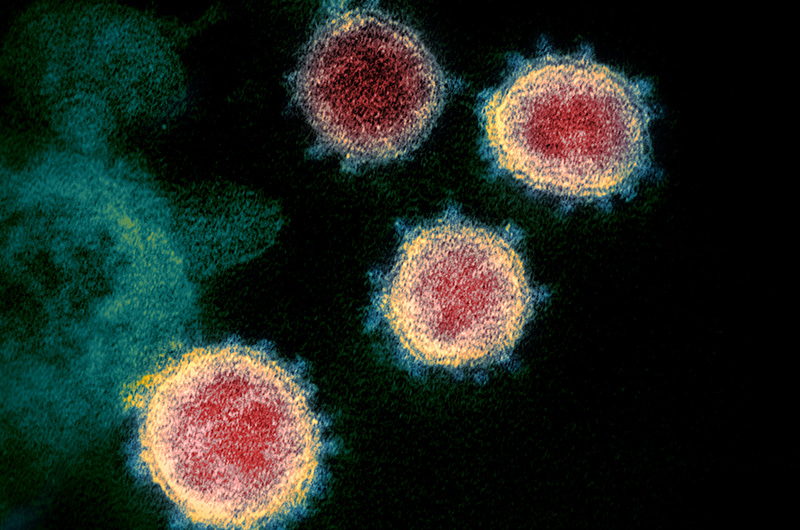
Designing a coronavirus vaccine for next year – and the years beyond
As the number of coronavirus infections swell daily across the globe, strategies for developing a safe and effective vaccine are rapidly moving forward. In response to this public health crisis, the Precision Vaccines Program (PVP) at Boston Children’s Hospital is on the front lines of developing a coronavirus vaccine targeted especially toward older populations, those ... Read More about Designing a coronavirus vaccine for next year – and the years beyond
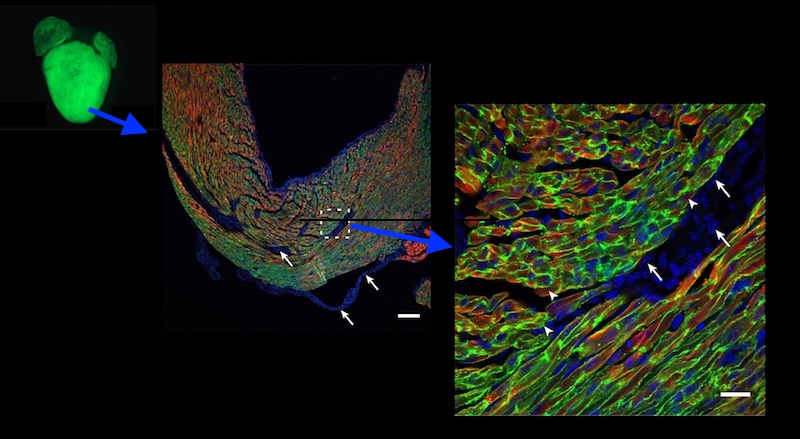
Gene therapy reverses heart failure in mouse model of Barth syndrome
Barth syndrome is a rare metabolic disease caused by mutation of a gene called tafazzin or TAZ. It can cause life-threatening heart failure and also weakens the skeletal muscles, undercuts the immune response, and impairs overall growth. Because Barth syndrome is X-linked, it almost always occurs in boys. There is no cure or specific treatment. ... Read More about Gene therapy reverses heart failure in mouse model of Barth syndrome
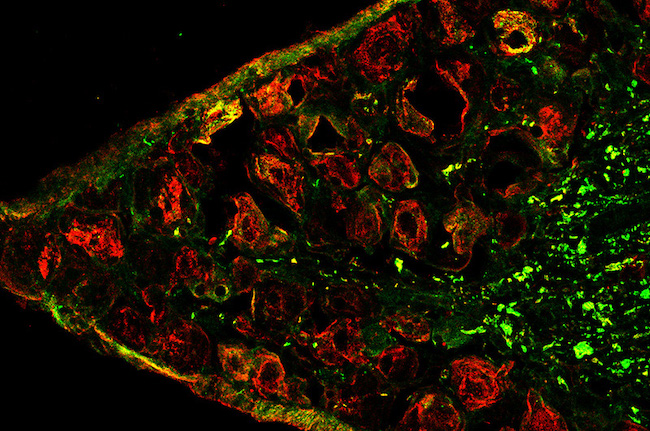
Mouse model could lead to new treatments for endometriosis pain
There are few effective long-term treatments for endometriosis; even fewer options for relieving the often severe pain associated with the condition, which involves tissue overgrowth outside of the uterus. As a first step toward identifying new pain treatments, researchers in the laboratory of Michael Rogers, PhD, in the Vascular Biology Program at Boston Children’s Hospital, ... Read More about Mouse model could lead to new treatments for endometriosis pain
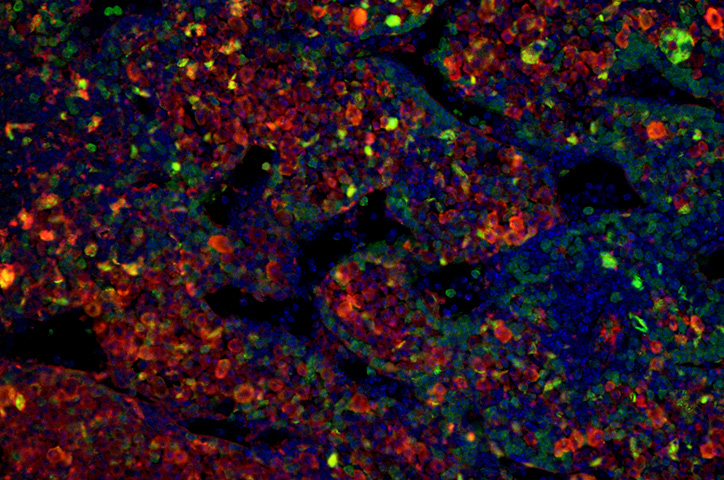
Mouse/human model provides new way to study neuroblastoma
Neuroblastoma is a rare childhood cancer affecting about 800 children each year in the United States. Because of its unusual behavior — tumors in infants often disappear spontaneously without treatment while it can be aggressive and fatal in toddlers — studying the disease has been complicated. That may change with a new research tool: a ... Read More about Mouse/human model provides new way to study neuroblastoma
S1P and its receptor: New approaches to cancer?
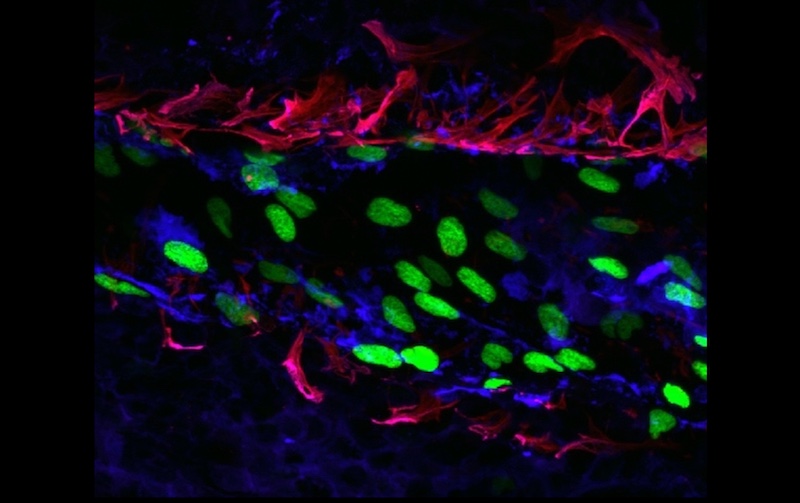
In 1998, when Timothy Hla, PhD, and his colleagues identified and cloned the receptor for sphingosine-1-phosphate (S1P), it generated a lot of excitement. S1P, a lipid originally discovered in the 1960s, was known to play various roles in the body and in disease. But it wasn’t thought that lipids could have receptors, and it wasn’t ... Read More about S1P and its receptor: New approaches to cancer?
Long-term hemophilia treatment could lie in patients’ own cells
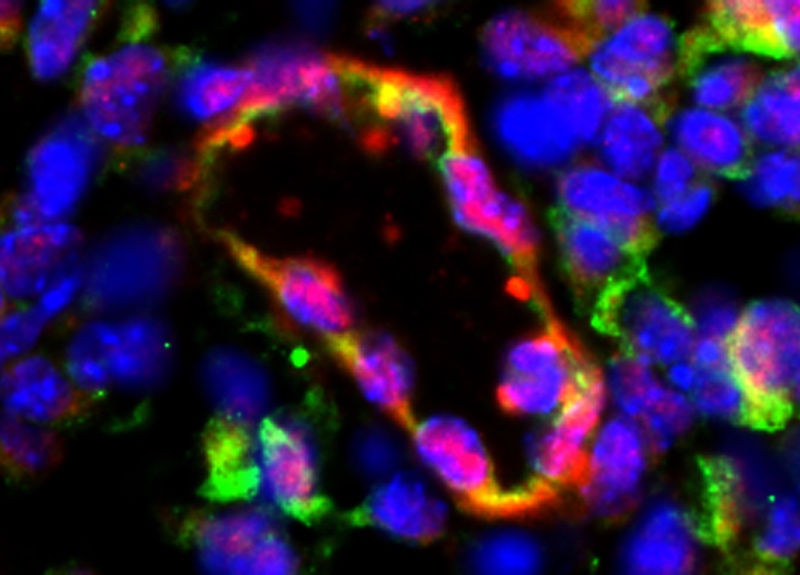
Children (and adults) with hemophilia are slow to form blood clots, so are at constant risk for uncontrolled bleeding. Even when the skin isn’t broken, a fall or a simple toe stub can become a serious medical issue: internal bleeding cause permanent damage to muscles and joints. While regularly replacing the missing or malfunctioning clotting ... Read More about Long-term hemophilia treatment could lie in patients’ own cells

Child access prevention laws spare gun deaths in children
Child access prevention (CAP) laws are on the books in half of U.S. states. They are meant to protect children from accessing firearms by holding a parent or guardian responsible for the actions or potential actions a child takes with a firearm. New research from Boston Children’s Hospital finds that U.S. states with CAP laws ... Read More about Child access prevention laws spare gun deaths in children

Gliomatosis cerebri: ‘As long as you keep going, you still have hope’
Anna Arabia, the only child of Kathy and Joe Arabia of North Adams, Massachusetts, was 13 when she was diagnosed with gliomatosis cerebri, a rare, rapidly-growing brain cancer. Unlike other tumors, gliomatosis cerebri does not form into lumps; instead it is threadlike, invading multiple lobes of the brain, making it impossible to remove surgically. Anna ... Read More about Gliomatosis cerebri: ‘As long as you keep going, you still have hope’
Following blood stem cells in the body could yield better, safer treatments
Blood stem cells make all the different kinds of blood and immune cells in our body. Scientists have long been trying to make these cells in the lab and use them to make different blood cell types on demand. Mastering these feats could help make bone marrow transplants more efficient and less toxic, and could ... Read More about Following blood stem cells in the body could yield better, safer treatments
Someday, this prosthetic heart valve might be the only one a child needs
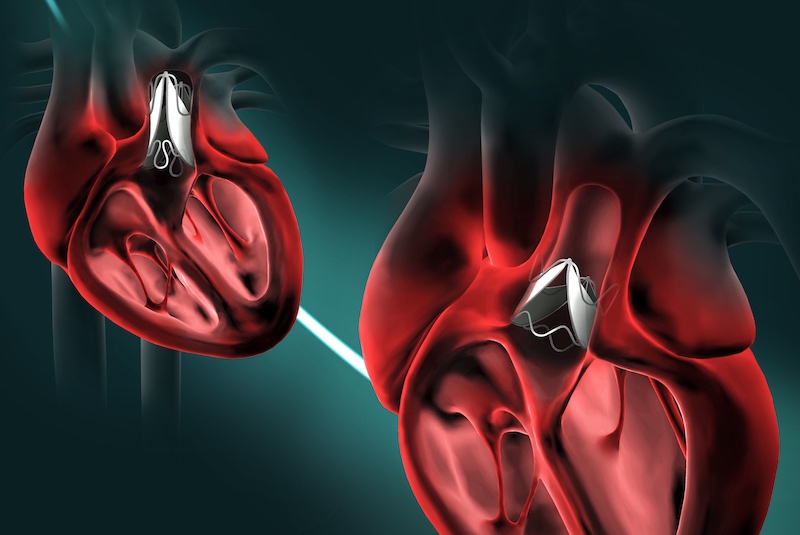
More than 330,000 children worldwide are born with a heart valve defect, and millions of others develop rheumatic heart disease requiring early valve replacement. Current prosthetic heart valves are fixed in size, so typically need to be replaced every few years as a child grows. For children receiving their first replacement before age 2, that ... Read More about Someday, this prosthetic heart valve might be the only one a child needs