


Hurdles in health care: Navigating insurance approvals
If you’ve ever struggled with your patient’s insurance company when it came to getting their prescription filled, you’re not alone. For patients with chronic conditions, including inflammatory bowel disease (IBD), newer drugs like biologics can be very effective — but also very expensive. As a result, many insurance companies have limited access to these medications ... Read More about Hurdles in health care: Navigating insurance approvals

Rapid DNA sequencing yields timely answers for infant epilepsy
Treating children with epilepsy has traditionally been a matter of trial and error, trying different drugs one after the other. In the one-third of patients for whom the drugs do not work and seizures continue, doctors consider brain surgery — if it can be done safely. Early in her career, Ann Poduri, MD, MPH, who ... Read More about Rapid DNA sequencing yields timely answers for infant epilepsy

The clot thickens: Kellie Machlus, PhD
Part of an ongoing series profiling researchers at Boston Children’s Hospital. Platelets are the bandages of our blood, forming clots when we sustain an injury. Yet little is known about how they’re made, and there are no drugs that can immediately and directly trigger their production. Boston Children’s Hospital researcher Kellie Machlus, PhD, (@theclotthickens) couldn’t ... Read More about The clot thickens: Kellie Machlus, PhD

MIS-C’s long-term effects on mental and neurologic health
Children and adolescents who have had multisystem inflammatory syndrome in children (MIS-C) after exposure to COVID-19 are recommended to have follow-up heart function testing. A new study from Boston Children’s Hospital suggests they should also be monitored for long-term neurologic and psychosocial complications. “If parents are noticing changes in their child’s behavior or functioning, it ... Read More about MIS-C’s long-term effects on mental and neurologic health

Bedside tech predicts newborns’ outcomes after therapeutic hypothermia
Hypoxic-ischemic encephalopathy (HIE), brain injury caused by oxygen deprivation around birth, is a common cause of admission to the neonatal intensive care unit. Therapeutic hypothermia is now becoming the standard treatment to minimize brain injury; cooling the newborn’s head or whole body for three days slows cellular metabolism and allows brain cells to avoid and ... Read More about Bedside tech predicts newborns’ outcomes after therapeutic hypothermia

Could the right dietary fat help boost platelet counts?
Aside from transfusions, there currently is no way to boost people’s platelet counts, leaving them at risk for uncontrolled bleeding. Could something as simple as a dietary change raise platelet counts in people with low levels, such as cancer patients receiving chemotherapy? New science out of the lab suggests that the answer might be yes. ... Read More about Could the right dietary fat help boost platelet counts?

The key to preventing shin splints may be underfoot
Medial tibial stress syndrome, also known as shin splints, is a common and often recurring injury among adolescent runners. Recovery can involve weeks of downtime and sports modifications. Even then, many athletes experience chronic pain. Despite the prevalence and impact of the condition, sports medicine experts have yet to reach consensus about the cause. Theories ... Read More about The key to preventing shin splints may be underfoot

Nanobodies from alpacas could steer immune attacks on influenza
While conventional flu vaccines are designed to anticipate the influenza strains projected to dominate in the next flu season, they’re only partially effective. And while antiviral drugs are available to treat active flu cases, the body quickly clears them, requiring high, frequent doses. Coupling one existing flu drug with a special ingredient from alpacas, the ... Read More about Nanobodies from alpacas could steer immune attacks on influenza
DADA2: Working together to unpack a rare mystery illness
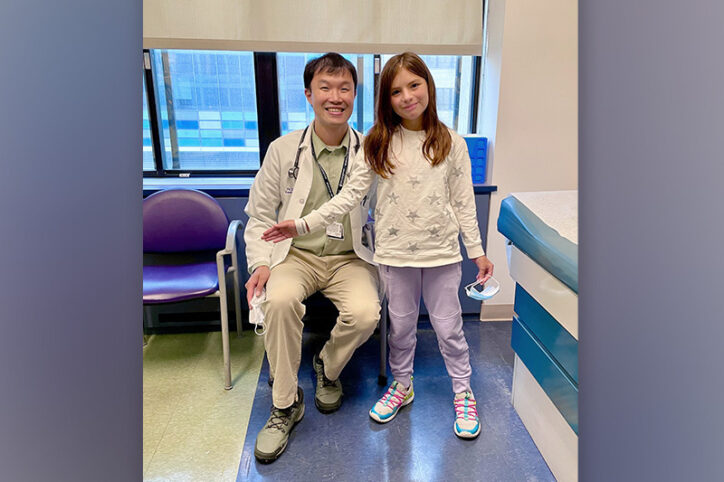
When Vanessa was a few months old, a mysterious red, bumpy rash appeared on her arms and legs. It would go away when she was sick with a virus, then come back. Although the rash disappeared for good just before she turned 2, Vanessa became anemic and increasingly fatigued. “She was fading away, losing weight, ... Read More about DADA2: Working together to unpack a rare mystery illness
Which children in status epilepticus are most at risk?
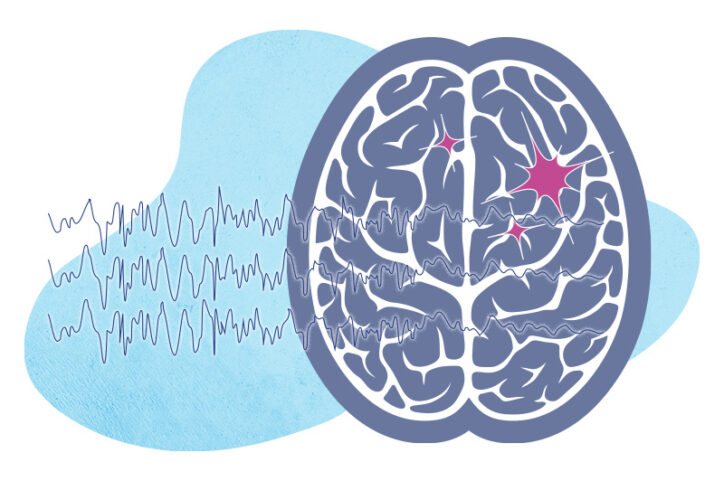
Status epilepticus, a prolonged, potentially life-threatening seizure, is epilepsy’s most severe manifestation. Patients known to have refractory status epilepticus are more likely to need ICU care if initial treatment is delayed. But what about the broader population of children who come to the emergency room in status epilepticus? Are there any early indicators to predict ... Read More about Which children in status epilepticus are most at risk?