


A global take on rare disease research: Maya Chopra, MBBS, FRACP
Several years ago, while working as a clinical geneticist at the Imagine Institute of Genetic Diseases in Paris, Dr. Maya Chopra saw a child with unexplained intellectual disability, a cleft palate, distinctive facial features, and an inability to speak. Through a genetic analysis, she and her colleagues identified a rare variant in one copy of ... Read More about A global take on rare disease research: Maya Chopra, MBBS, FRACP
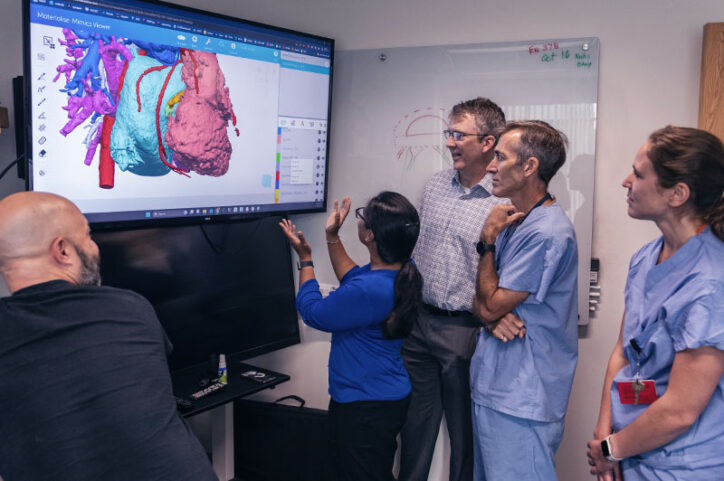
From aerospace to the OR: 3D modeling improves surgical planning by revealing details of patients’ hearts
One of the most important tools for complex heart surgeries at Boston Children’s isn’t even in the operating room. For years, heart surgeons couldn’t see the complete extent of a patient’s condition until a procedure started, forcing them to rely on experience, diagnostic imaging, and other information to plan surgery. Now, 3D modeling allows them ... Read More about From aerospace to the OR: 3D modeling improves surgical planning by revealing details of patients’ hearts
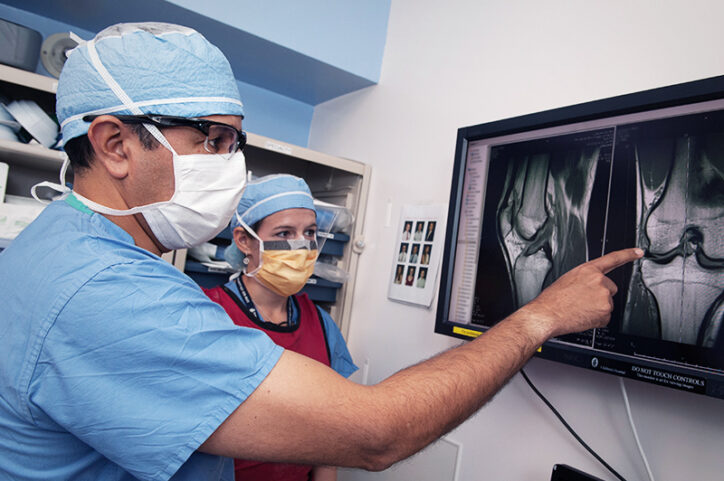
Uncertainty surrounds ACL treatment decisions in young athletes. It shouldn’t.
It’s an injury once seen mainly in adults, yet it’s become increasingly common in younger patients. From 2000 to 2020, the number of anterior cruciate ligament (ACL) tears in children and adolescents increased between three- and five-fold. For young athletes, an ACL tear spells six to nine months of downtime, heightened risk for secondary ACL ... Read More about Uncertainty surrounds ACL treatment decisions in young athletes. It shouldn’t.
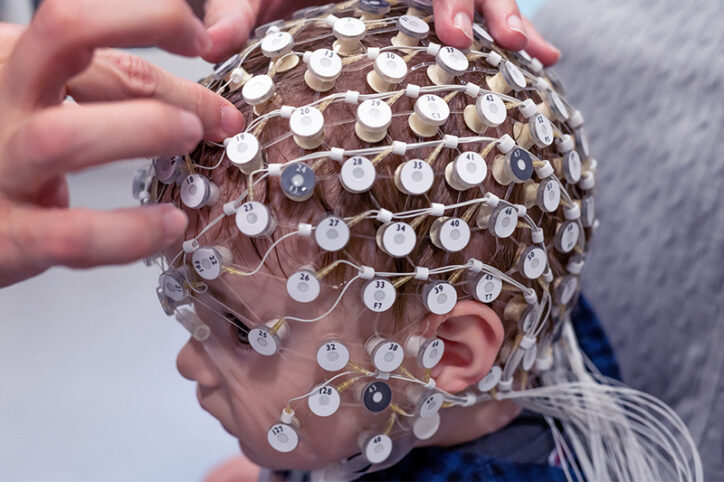
EEG markers in early life could help predict and diagnose anxiety
Anxiety disorders are the most common mental health problem among children and adolescents and are a risk factor for adult disorders. Stress is a big factor — at home, at school, and from external factors like COVID-19 and climate change. But some children may be innately more susceptible to anxiety. New research at Boston Children’s ... Read More about EEG markers in early life could help predict and diagnose anxiety

Hurdles in health care: Navigating insurance approvals
If you’ve ever struggled with your patient’s insurance company when it came to getting their prescription filled, you’re not alone. For patients with chronic conditions, including inflammatory bowel disease (IBD), newer drugs like biologics can be very effective — but also very expensive. As a result, many insurance companies have limited access to these medications ... Read More about Hurdles in health care: Navigating insurance approvals

MIS-C’s long-term effects on mental and neurologic health
Children and adolescents who have had multisystem inflammatory syndrome in children (MIS-C) after exposure to COVID-19 are recommended to have follow-up heart function testing. A new study from Boston Children’s Hospital suggests they should also be monitored for long-term neurologic and psychosocial complications. “If parents are noticing changes in their child’s behavior or functioning, it ... Read More about MIS-C’s long-term effects on mental and neurologic health
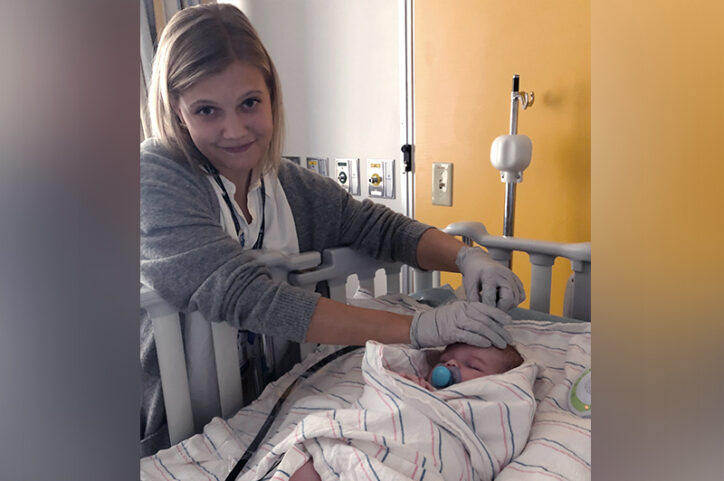
Bedside tech predicts newborns’ outcomes after therapeutic hypothermia
Hypoxic-ischemic encephalopathy (HIE), brain injury caused by oxygen deprivation around birth, is a common cause of admission to the neonatal intensive care unit. Therapeutic hypothermia is now becoming the standard treatment to minimize brain injury; cooling the newborn’s head or whole body for three days slows cellular metabolism and allows brain cells to avoid and ... Read More about Bedside tech predicts newborns’ outcomes after therapeutic hypothermia
Which children in status epilepticus are most at risk?
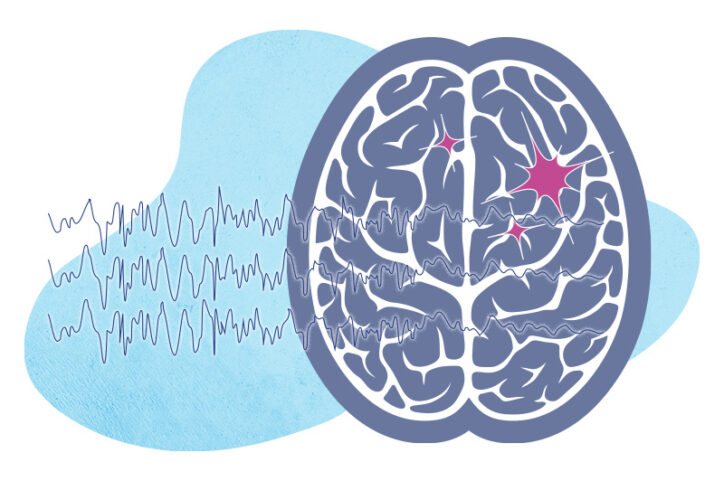
Status epilepticus, a prolonged, potentially life-threatening seizure, is epilepsy’s most severe manifestation. Patients known to have refractory status epilepticus are more likely to need ICU care if initial treatment is delayed. But what about the broader population of children who come to the emergency room in status epilepticus? Are there any early indicators to predict ... Read More about Which children in status epilepticus are most at risk?

From bench to bedside: A promising option for unremitting ulcerative colitis
Many existing treatments for inflammatory bowel disease, like Remicade® and Humira®, work by blocking inflammatory cytokines such as tumor necrosis factor (TNF) and interleukins IL-12 and IL-23, which are over-produced in autoimmune disease. But few patients with ulcerative colitis get complete relief from these drugs. A small but promising open-label clinical trial, published recently in ... Read More about From bench to bedside: A promising option for unremitting ulcerative colitis
Finding a way to help newborns who can’t immediately have heart treatment
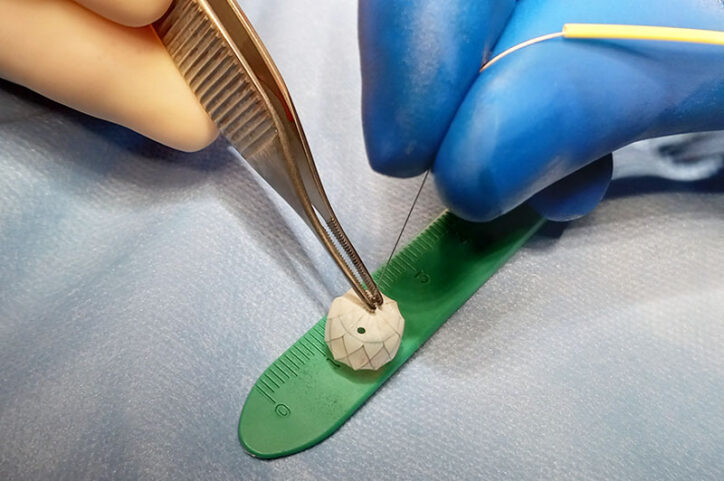
Newborns with complex congenital heart defects (CHD) and pulmonary overcirculation often need treatment as soon as possible. Unfortunately, some of these children are not in good enough health to withstand surgery. To address this challenge, Boston Children’s heart specialists leaned into technological innovation, their experience, and a perseverance that would ultimately confirm their belief that even the ... Read More about Finding a way to help newborns who can’t immediately have heart treatment