

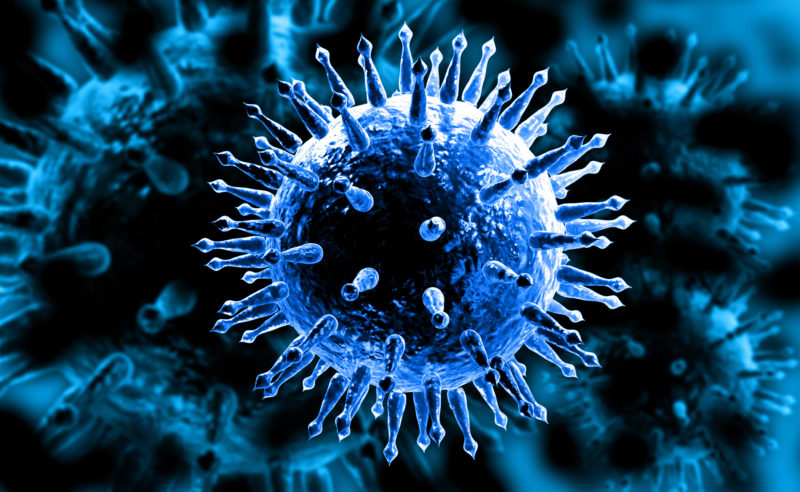
Hidden part of flu virus yields hope for better vaccines
The annual effort to create a flu vaccine is like a high-stakes game of Whack-a-mole. Even if public health officials develop a vaccine that offers wide protection, the ever-changing influenza virus pops up again the next year in a new guise, often different enough to thwart the body’s defenses. And while most people recover, influenza ... Read More about Hidden part of flu virus yields hope for better vaccines
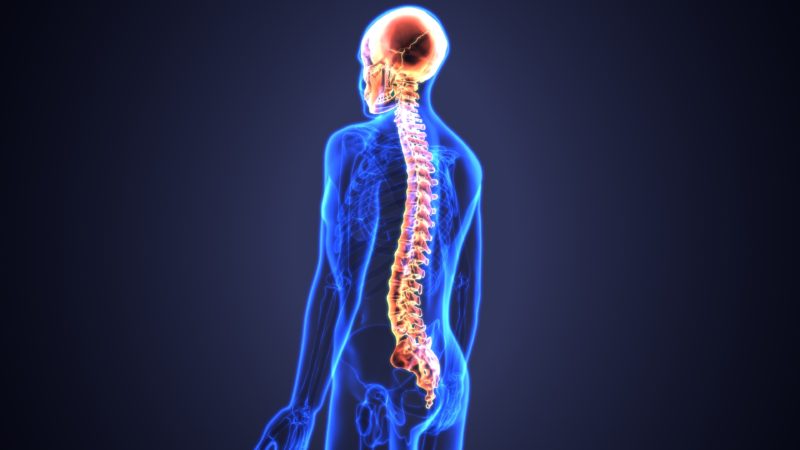
Discoveries promise new strides for spinal cord injury patients
When neurobiologist Clifford Woolf, MB, BCh, PhD, began investigating potential treatments for spinal cord injury more than 30 years ago at University College London, he had mixed feelings about accepting funding for the research. “To be honest, the prospect that something could realistically make an impact on spinal cord injury in my lifetime seemed like ... Read More about Discoveries promise new strides for spinal cord injury patients

How scratching may prime children with eczema for food allergy and anaphylaxis
Eczema, a chronic itchy inflammatory skin disease, affects about 15 percent of U.S. children. It’s a strong risk factor for food allergies — more than half of children with eczema are allergic to one or more foods — and most people with food allergy have eczema. But the connection between the two hasn’t been clear. New ... Read More about How scratching may prime children with eczema for food allergy and anaphylaxis
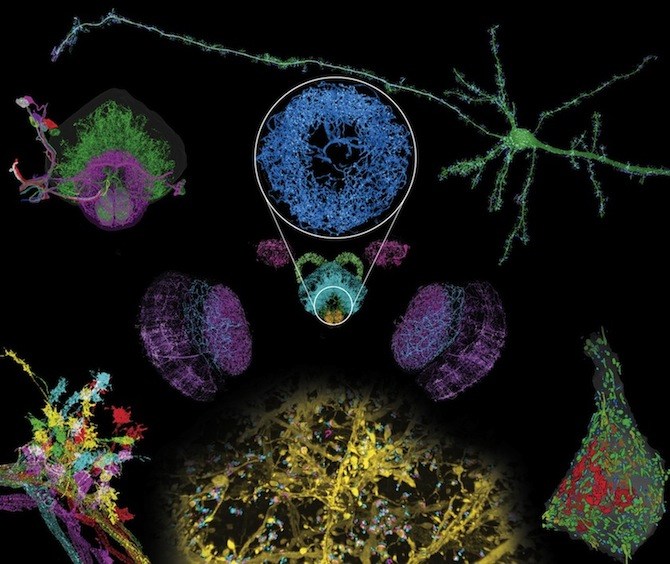
New technique images whole brains with incredible resolution
Decades ago, discoveries about the brain’s intricate anatomy were made with careful dissection and drawings. Today, they’re made with super-resolution imaging and massive computing power capable of handling hundreds of terabytes of data. In this week’s Science, a team out of the Massachusetts Institute of Technology (MIT), the Janelia Research Campus of the Howard Hughes Medical ... Read More about New technique images whole brains with incredible resolution

‘Nanobodies’ from alpacas could help bring CAR T-cell therapy to solid tumors
In 1989, two undergraduate students at the Free University of Brussels were asked to test frozen blood serum from camels, and stumbled on a previously unknown kind of antibody. It was a miniaturized version of a human antibody, made up only of two heavy protein chains, rather than two light and two heavy chains. As ... Read More about ‘Nanobodies’ from alpacas could help bring CAR T-cell therapy to solid tumors
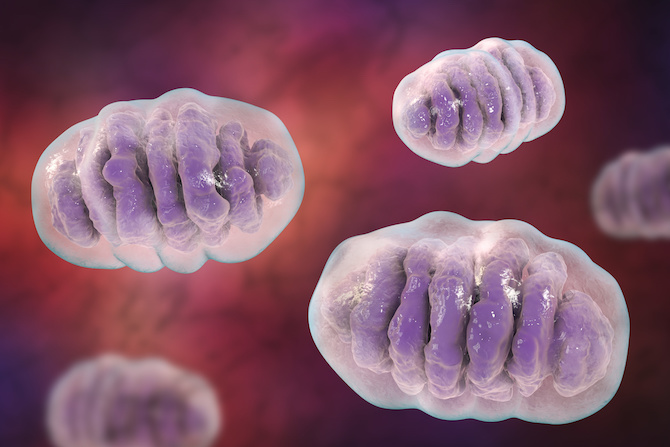
Eavesdropping on mitochondria, tissue by tissue
Mitochondria are essential to life: they produce energy, synthesize building blocks critical to cell function and help regulate cellular activity, including programmed cell death. Mitochondrial diseases can cause severe metabolic disorders in children and dysfunctional mitochondria are thought to play a role in cancer, diabetes, heart attack, stroke, Parkinson’s disease and more. A new research ... Read More about Eavesdropping on mitochondria, tissue by tissue
Blood stem cell transplants from any donor, without toxicity?
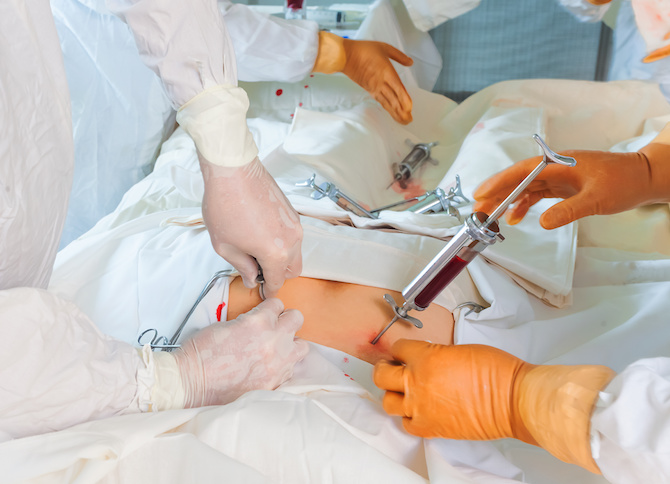
Many blood disorders, immune disorders and metabolic disorders can be cured with a transplant of hematopoietic (blood-forming) stem cells, also known as bone marrow transplant. But patients must first receive high-dose, whole-body chemotherapy and/or radiation to deplete their own defective stem cells, providing space for the donor cells to engraft. These “conditioning” regimens are highly ... Read More about Blood stem cell transplants from any donor, without toxicity?

Dually-targeted liposomes curb triple-negative breast cancer, metastases in mice
Some 15 to 20 percent of all breast cancers are triple-negative, meaning they lack receptors for estrogen, progesterone and human epidermal growth factor type 2. They have the worst prognosis of all breast cancers and very limited treatment options. Finding a treatment that distinguishes between cancer cells and normal cells has been especially challenging. A ... Read More about Dually-targeted liposomes curb triple-negative breast cancer, metastases in mice
Drug repurposing and DNA mining: The hunt for new endometriosis treatments
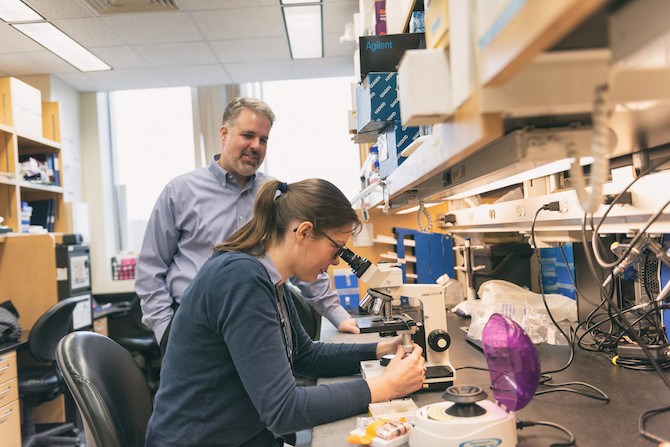
Endometriosis is a common gynecological condition that may affect more than 1 in 10 reproductive-age women. Yet, there’s very little research into the disease and limited options for treatment. A team in the Vascular Biology Program at Boston Children’s Hospital is trying to change that. In endometriosis, tissue that normally grows inside the uterus grows outside of ... Read More about Drug repurposing and DNA mining: The hunt for new endometriosis treatments
CRISPR-Cas9 screen opens new targets for Ewing sarcoma, other childhood cancers
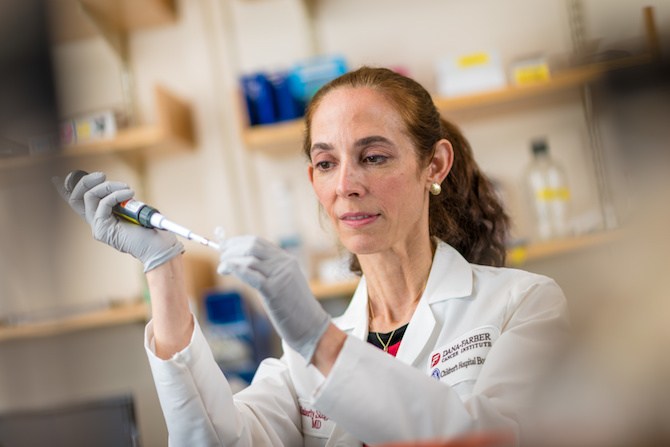
While the genetic mutations driving adult cancers can sometimes be targeted with drugs, most pediatric cancers lack good targets. That’s because their driving genetic alterations often create fusion proteins that aren’t easy for drugs to attack. “This is one reason why it is notoriously hard to make targeted drugs against childhood cancers — their cancer-promoting ... Read More about CRISPR-Cas9 screen opens new targets for Ewing sarcoma, other childhood cancers