

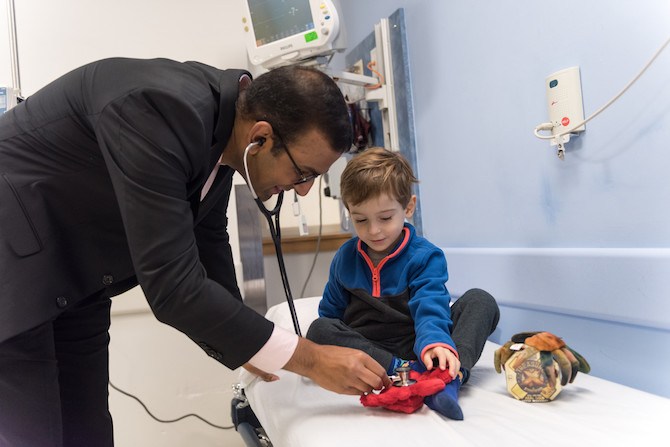
After 80 years, genetic causes of Diamond-Blackfan anemia come into view
In 1938, Louis K. Diamond, MD, and Kenneth Blackfan, MD, at Boston Children’s Hospital described a severe congenital anemia that they termed “hypoplastic” (literally, “underdeveloped”) because of the bone marrow’s inability to produce mature, functioning red blood cells. Eighty years later, the multiple genetic origins of this highly rare disease, now known as Diamond-Blackfan anemia, or ... Read More about After 80 years, genetic causes of Diamond-Blackfan anemia come into view
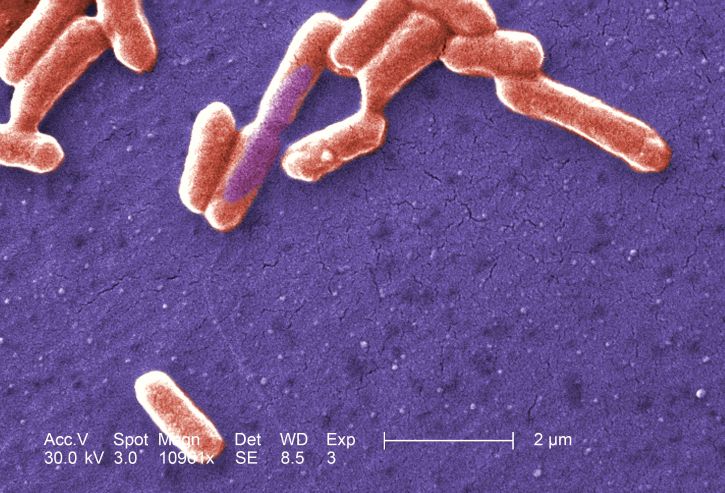
New angles for blocking Shiga and ricin toxins, and new light on an iconic biological process
Min Dong, PhD, and his lab are world experts in toxins and how to combat them. They’ve figured out how Clostridium difficile’s most potent toxin gets into cells and zeroed in on the first new botulinum toxin identified since 1969. Now, they’ve set their sights on Shiga and ricin toxins, and not only identified new potential lines of defense, ... Read More about New angles for blocking Shiga and ricin toxins, and new light on an iconic biological process
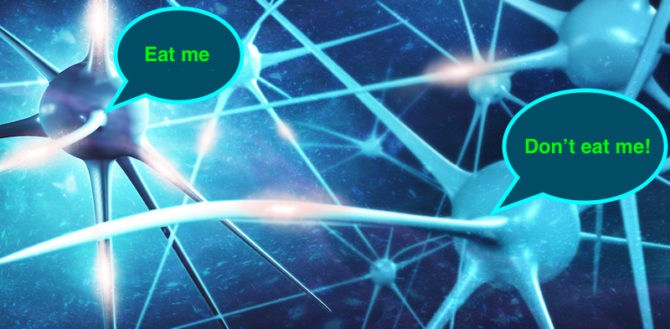
Synapse ‘protection’ signal found; helps to refine brain circuits
The developing brain is constantly forming new connections, or synapses, between nerve cells. Many connections are eventually lost, while others are strengthened. In 2012, Beth Stevens, PhD and her lab at Boston Children’s Hospital showed that microglia, immune cells that live in the brain, prune back unwanted synapses by engulfing or “eating” them. They also ... Read More about Synapse ‘protection’ signal found; helps to refine brain circuits

Earlier treatment may help reverse autism-like behavior in tuberous sclerosis
New research on autism has found, in a mouse model, that drug treatment at a young age can reverse social impairments. But the same intervention was not effective at an older age. The study is the first to shed light on the crucial timing of therapy to improve social impairments in a condition associated with ... Read More about Earlier treatment may help reverse autism-like behavior in tuberous sclerosis

In zebrafish, a way to find new cancer therapies, targeting tumor promoters
The lab of Leonard Zon, MD, has long been interested in making blood stem cells in quantity for therapeutic purposes. To test for their presence in zebrafish, their go-to research model, they turned to the MYB gene, a marker of blood stem cells. To spot the cells, Joseph Mandelbaum, a PhD candidate in the lab, attached a fluorescent ... Read More about In zebrafish, a way to find new cancer therapies, targeting tumor promoters

Tracking the elusive genes that cause strabismus
Strabismus is a common condition in which the eyes do not align properly, turning inward, outward, upward or downward. Two to four percent of children have some form of it. Some cases can be treated with glasses or eye patching; other cases require eye muscle surgery. But the treatments don’t address the root causes of strabismus, which ... Read More about Tracking the elusive genes that cause strabismus
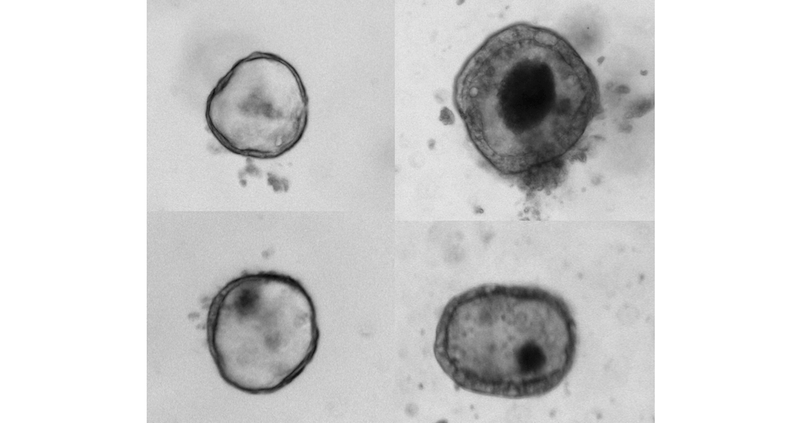
A perfect genetic hit: New gene mutation implicated in rare congenital diarrhea
When the 1-year-old boy arrived from overseas, he was relying on total parenteral nutrition — a way of bypassing the digestive system to provide nutrients and calories completely intravenously — to survive. From the time of his birth, he had experienced unexplainable diarrhea. Answers were desperately needed. Sequencing his genes in search of clues, neonatologists ... Read More about A perfect genetic hit: New gene mutation implicated in rare congenital diarrhea
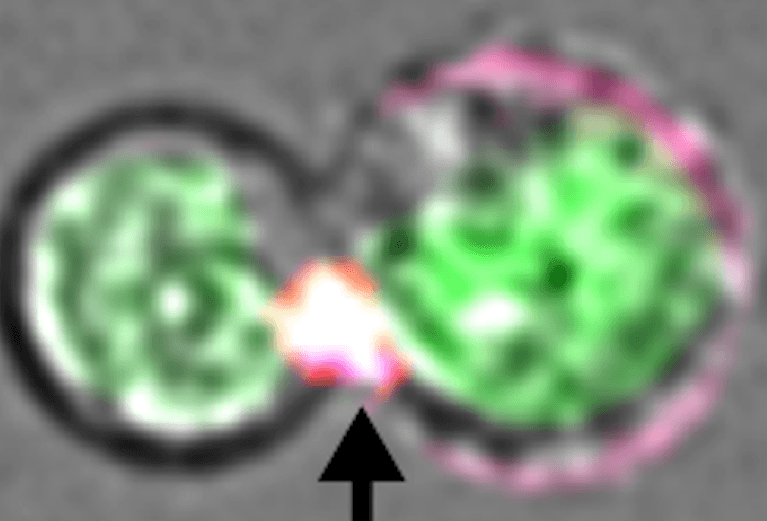
“Teenage” red blood cells could hold the key to a malaria vaccine
Malaria parasite infection, which affects our red blood cells, can be fatal. Currently, there are about 200 million malaria infections in the world each year and more than 400,000 people, mostly children, die of malaria each year. Now, studying blood samples from patients treated for malaria at a clinical field station in Brazil’s Amazon jungle, ... Read More about “Teenage” red blood cells could hold the key to a malaria vaccine
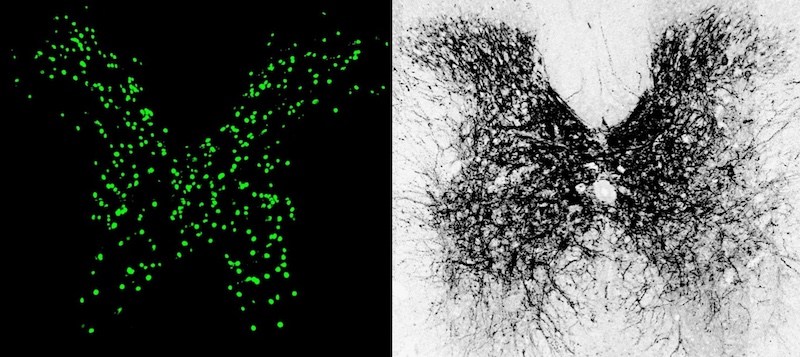
Inhibiting inhibitory neurons gets mice with spinal cord injury to walk again
Most people with spinal cord injury are paralyzed from the injury site down, even when the cord isn’t completely severed. Why don’t the spared portions of the spinal cord keep working, allowing at least some movement? A new study just published online by Cell provides insight into why these nerve pathways remain quiet. Most intriguingly, it shows that ... Read More about Inhibiting inhibitory neurons gets mice with spinal cord injury to walk again
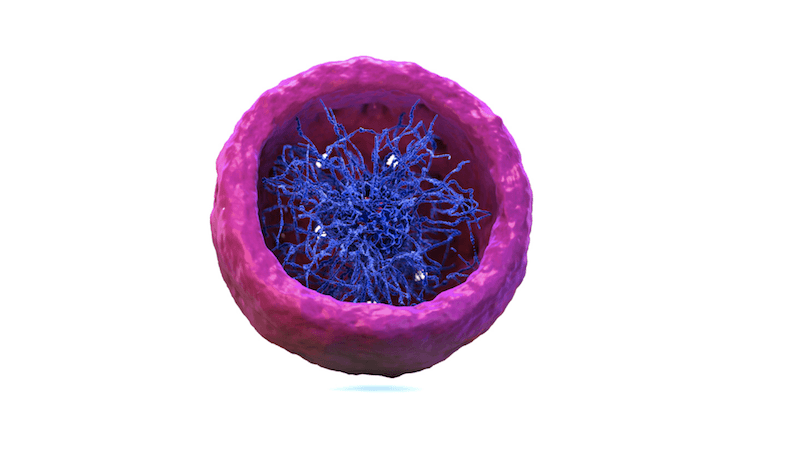
Getting a grip on genetic loops
A new discovery about the spatial orientation and physical interactions of our genes provides a promising step forward in our ability to design custom antibodies. This, in turn, could revolutionize the fields of vaccine development and infection control. “We are beginning to understand the full biological impact that the physical structure and movement of our ... Read More about Getting a grip on genetic loops