

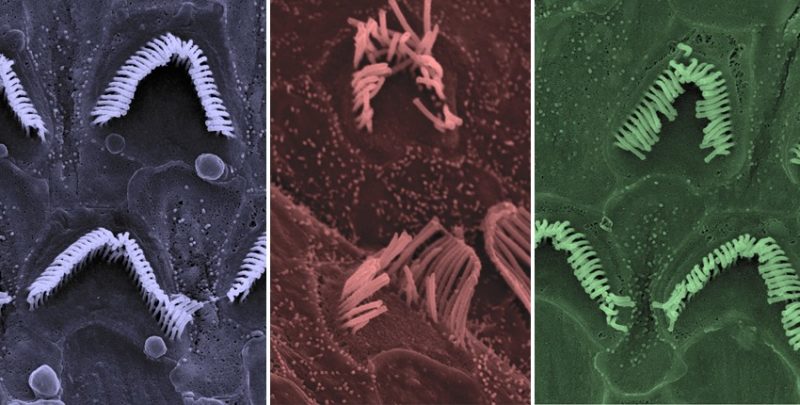
Optimized CRISPR/Cas9 gene editing averts hearing loss in ‘Beethoven’ mice
Using a novel gene-editing approach, scientists at Boston Children’s Hospital and Harvard Medical School have salvaged hearing in a mouse model of hereditary deafness, with no apparent off-target effects. The system successfully identified a single misspelled “letter” in the defective copy of a gene required for hearing, disabled this aberrant copy, and spared the healthy ... Read More about Optimized CRISPR/Cas9 gene editing averts hearing loss in ‘Beethoven’ mice
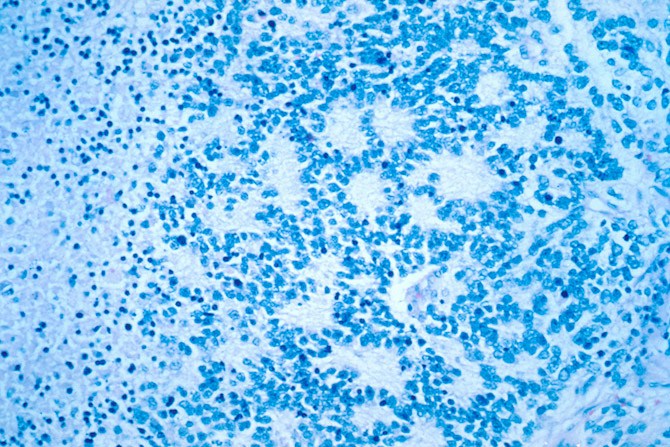
Overriding resistance to epigenetic inhibitors in neuroblastoma
Neuroblastoma and other children’s cancers pose unique challenges. They’re not caused by the same kinds of genetic mutations that cause adult cancers, and only a minority of their mutations can be targeted with drugs. In a recent study, a team led by Kimberly Stegmaier, MD, at Dana-Farber/Boston Children’s Cancer and Blood Disorders Center systematically deleted every gene ... Read More about Overriding resistance to epigenetic inhibitors in neuroblastoma
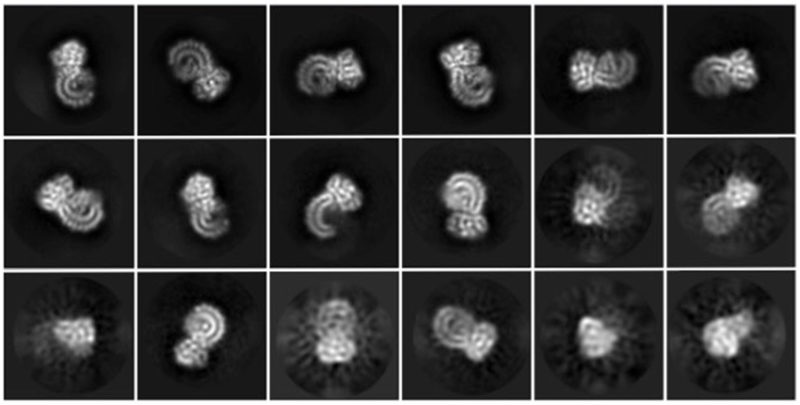
First sharp images reveal structure of key inflammatory protein
After decades of attempts by the scientific community, researchers have now provided the first clear look at a protein implicated in a vast array of inflammatory conditions. The finding, published recently in Nature, lifts a blindfold that has hampered scientists’ ability to intervene when the immune system overreacts to perceived threats. The protein, known as ... Read More about First sharp images reveal structure of key inflammatory protein

‘Good’ bacteria may prevent – and reverse – food allergy
Food allergy is a large and growing public health problem. For reasons that remain a mystery, the number of Americans who suffer from the disease has risen sharply over the last decade to as many as 32 million, according to one recent estimate. Nearly 8 percent of children in the U.S. — about two in ... Read More about ‘Good’ bacteria may prevent – and reverse – food allergy

Rare recessive mutations pry open new windows on autism
Over the past decade, autism spectrum disorder has been linked to mutations in a variety of genes, explaining up to 30 percent of all cases to date. Most of these variants are de novo mutations, which are not inherited, affect just one copy of a gene, and are relatively easy to find. The lab of ... Read More about Rare recessive mutations pry open new windows on autism
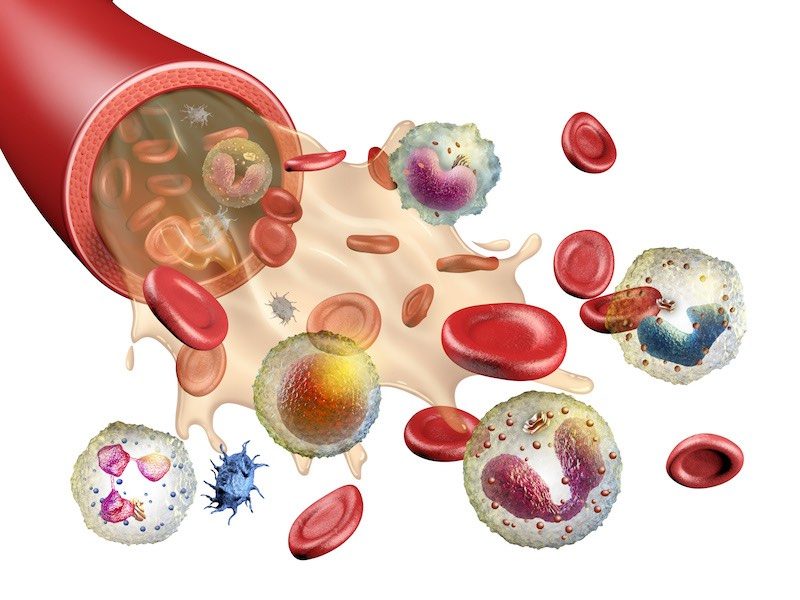
Genetics drive deep investigations into blood cell production
Knowing how different kinds of blood cells form from their stem cell progenitors can shed light on blood disorders and aid in finding new treatments. A series of recent studies co-led by researchers at Dana-Farber/Boston Children’s Cancer and Blood Disorders Center applied a variety of genetic tools to provide new insights on blood cell production. ... Read More about Genetics drive deep investigations into blood cell production
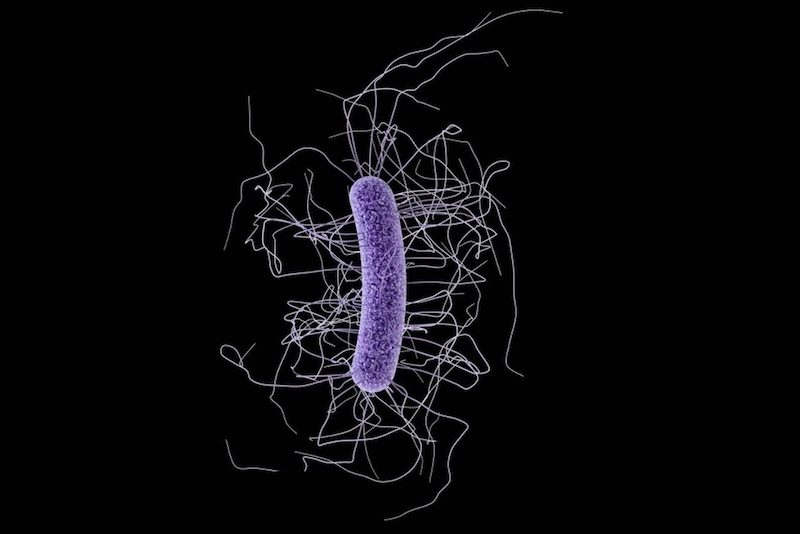
Sweet! How C. difficile toxin A enters intestinal cells
Clostridiodes difficile infection has become a leading cause of severe, sometimes fatal diarrheal illness. It flourishes best in hospitals and long-term care facilities where people are on long-term antibiotic treatment, but it’s also an increasing problem in the community. Much of the damage from C. diff is caused by toxins the bacterium produces, which damage ... Read More about Sweet! How C. difficile toxin A enters intestinal cells
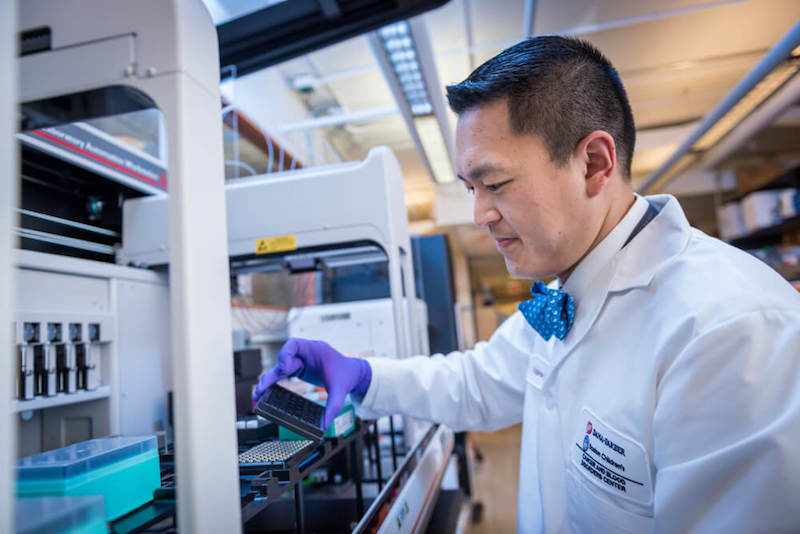
A rare kidney tumor’s vulnerability, and a potential treatment
Andrew Hong, MD, a pediatric oncologist at Dana-Farber/Boston Children’s Cancer and Blood Disorders Center, has cared for a number of children who develop unusual, aggressive cancers. One teenager with a deadly kidney cancer called renal medullary carcinoma (RMC) left a particularly deep impression on him and his colleagues. “Seeing how quickly this patient succumbed to the disease ... Read More about A rare kidney tumor’s vulnerability, and a potential treatment

Huge sequencing study links rare DNA changes to type 2 diabetes
Type 2 diabetes is a complicated disease influenced by genetics, lifestyle, and environment. Now, an international consortium of scientists has uncovered some previously unknown genetic factors — which could potentially aid the search for better treatments. The researchers sequenced the exomes — all the protein-coding genes — of roughly 21,000 people with type 2 diabetes ... Read More about Huge sequencing study links rare DNA changes to type 2 diabetes
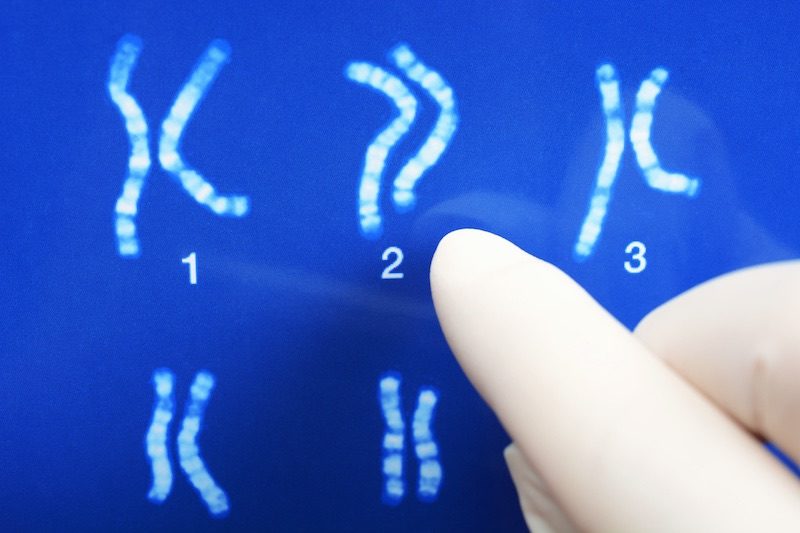
After GWAS studies, how to narrow the search for genes?
Genome-wide association studies (GWAS) look at large populations to find genes that contribute to common, multi-gene traits like height or obesity. These comprehensive investigations frequently turn up large numbers of tiny genetic variations that show up more often in people who are tall, obese, etc. But this association doesn’t mean the variant actually helps cause ... Read More about After GWAS studies, how to narrow the search for genes?