

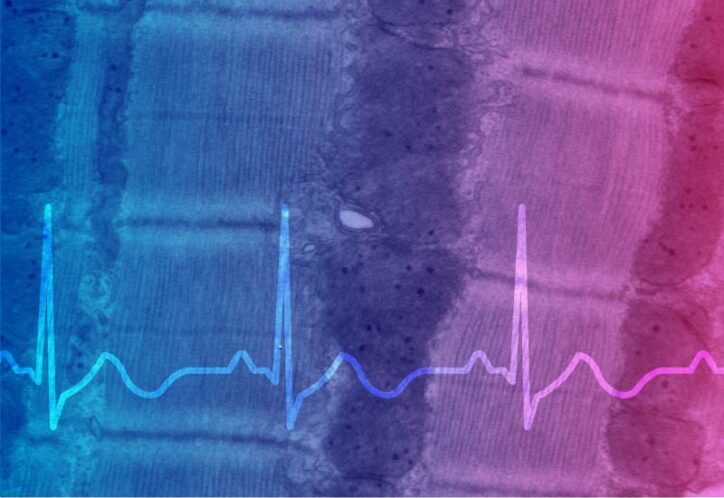
Getting to the heart of heart muscle function
Every heart muscle cell, or cardiomyocyte, is studded with tiny, intricate structures called dyads. The dyads are like orchestra conductors: They coordinate incoming electrical signals with release of calcium in the muscle, triggering contraction. When dyads work properly, the different segments of heart muscle contract in unison; when they don’t, heartbeats may be too weak ... Read More about Getting to the heart of heart muscle function
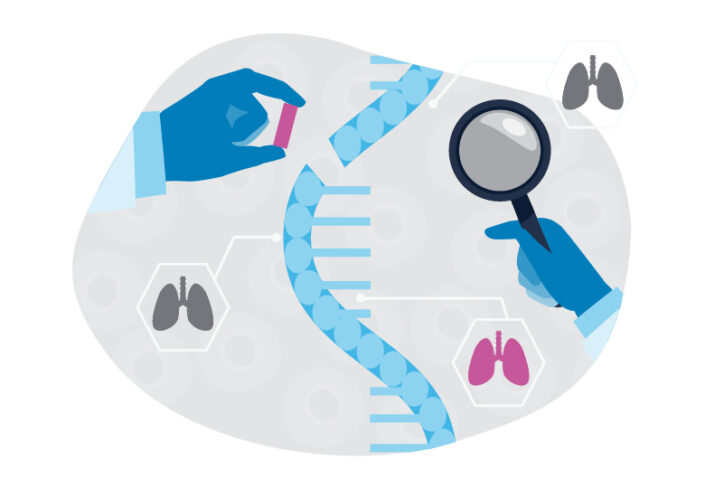
Cell therapy for lung disease? Proof-of-concept study shows promise
Many serious pulmonary diseases, including genetic lung diseases, lack an effective treatment other than the most extreme: lung transplant. A team at Boston Children’s Hospital envisions a much better option: cell therapy, using lung stem cells created from patients’ own cells to repair or replace damaged lung tissue. For patients with genetic lung diseases, the ... Read More about Cell therapy for lung disease? Proof-of-concept study shows promise
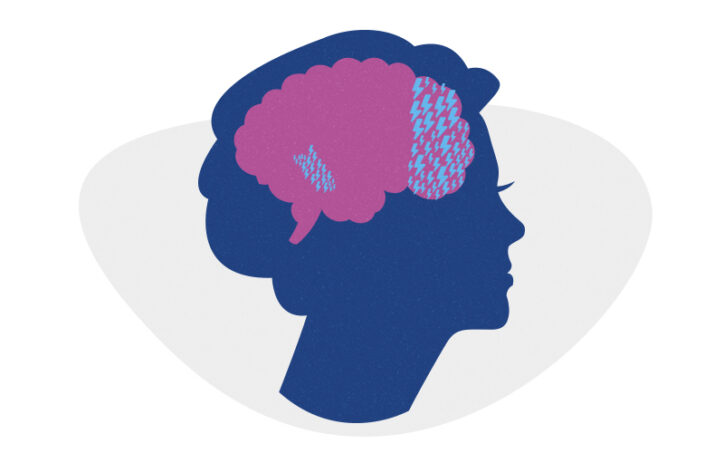
A new angle on the cause of Alzheimer’s disease: Accumulating brain mutations
Alzheimer’s disease is marked by a loss of functional neurons in the brain. But what causes this loss? A new study reveals that people with Alzheimer’s have an abundance of newly acquired mutations in their neurons — more than people of the same age without Alzheimer’s, and enough to disable genes important to brain function. ... Read More about A new angle on the cause of Alzheimer’s disease: Accumulating brain mutations
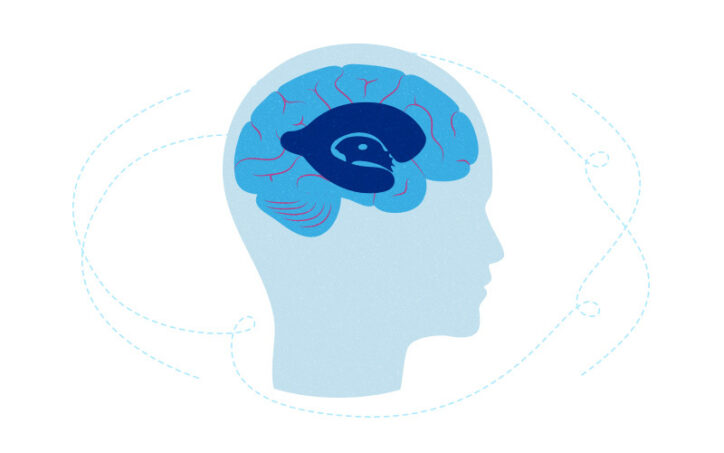
Beyond fluid buildup: Rethinking congenital hydrocephalus
Hydrocephalus is classically seen as a plumbing problem, the result of too much cerebrospinal fluid (CSF) in the brain or dysregulation of fluid flow. It is usually treated with shunts to drain the CSF, or with ETV/CPC, which makes a small hole to drain the CSF and burns off the choroid plexus tissue that produces ... Read More about Beyond fluid buildup: Rethinking congenital hydrocephalus
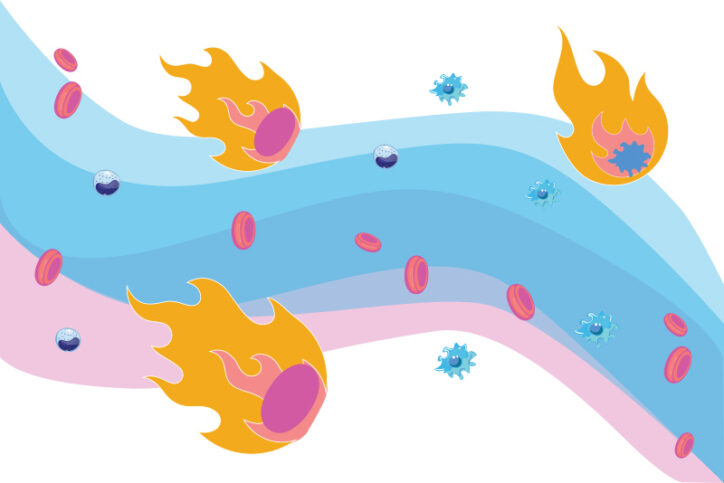
How COVID-19 triggers massive inflammation
Why do some people with COVID-19 develop severe inflammation, leading to respiratory distress and damage to multiple organs? A new study in the journal Nature provides an explanation: the SARS-CoV-2 virus infects and kills critical immune cells in the blood and lungs, which set off powerful alarm bells as they die. Judy Lieberman, MD, PhD, ... Read More about How COVID-19 triggers massive inflammation
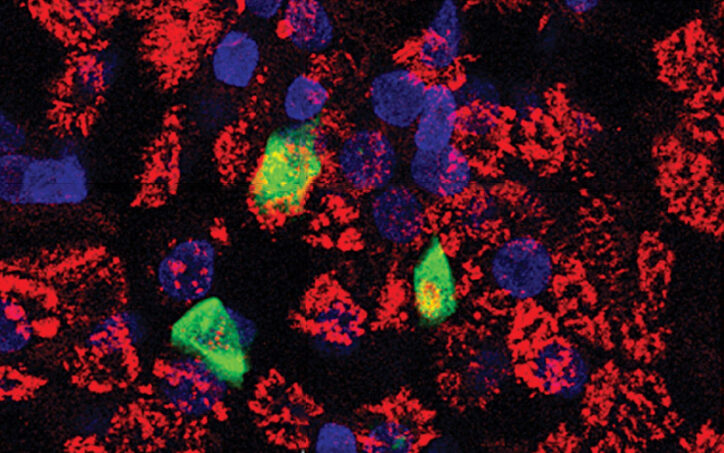
A respiratory model of COVID-19, made from patients’ own cells
What happens in our respiratory tract once COVID-19 invades? A three-dimensional airway model, made from patient-derived stem cells, could provide answers about the initial stages of infection. The model not only replicates the infection process, but can be used to test potential antiviral drugs. Ruby Wang, MD, attending physician in Boston Children’s Division of Pulmonary ... Read More about A respiratory model of COVID-19, made from patients’ own cells
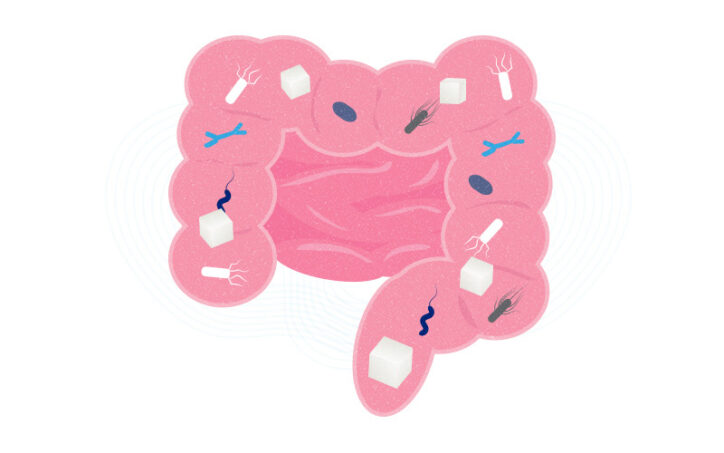
Shaping our intestinal microbiome: What makes certain microbes more ‘fit’?
We now know the microbes that live in our intestines — often called our microbiome — influence our health in many ways. The balance among competing microbial species is believed to contribute to inflammatory bowel disease (IBD), immune disorders, food allergy, neurodegenerative diseases, cancer, and more. The sugars in our diets, in turn, influence that ... Read More about Shaping our intestinal microbiome: What makes certain microbes more ‘fit’?
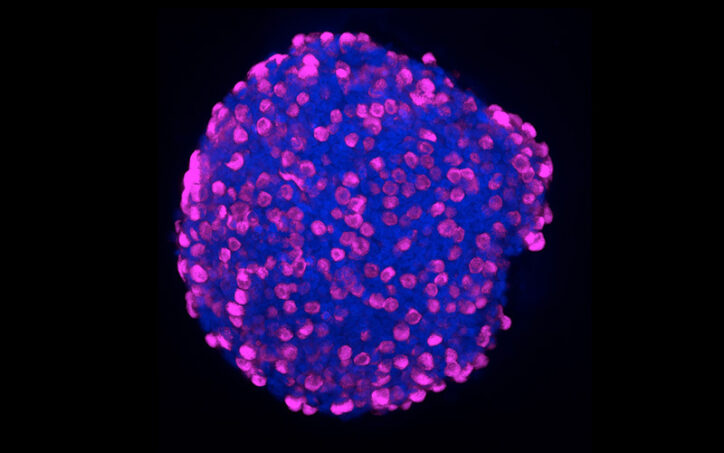
Can we harness intestinal cells to treat endocrine disorders?
Enteroendocrine cells punch above their weight. Comprising just about 1 percent of intestinal cells, they produce, as a group, around 15 different hormones. These not only regulate intestinal function and digestion, but also influence metabolic functions like insulin secretion and appetite regulation. A new technology platform developed at Boston Children’s could set the stage for ... Read More about Can we harness intestinal cells to treat endocrine disorders?

Emerging protein-based COVID-19 vaccines could be game-changing
Current messenger RNA vaccines appear to offer at least some protection against new SARS-CoV-2 variants, including Omicron, especially for people who have received boosters. But manufacturing costs and the need for ultra-cold refrigeration have limited availability of these vaccines in low-and middle-income countries. That’s where emerging protein-based COVID-19 vaccines — including two candidates developed at ... Read More about Emerging protein-based COVID-19 vaccines could be game-changing
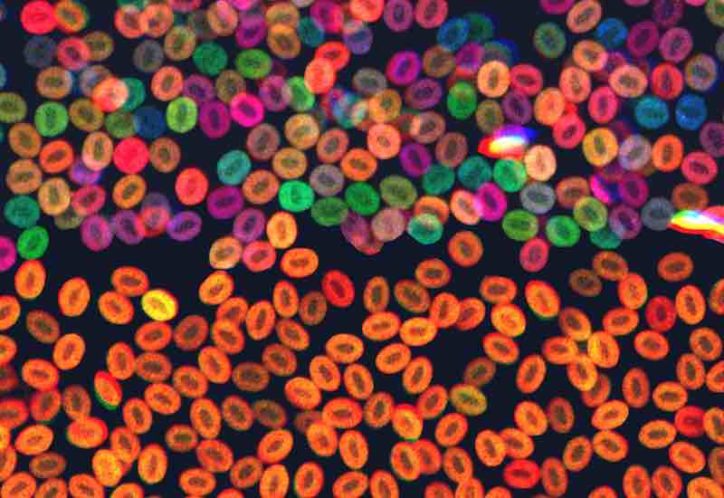
Preventing leukemia by preventing rogue blood cells from taking over
As we age, many of us acquire mutations that cause some of our blood stem cells to multiply faster than others, forming their own distinct populations or “clones.” This is known as clonal hematopoiesis. In some cases, a single clone originating from a single genetically altered or mutated stem cell can expand to comprise up ... Read More about Preventing leukemia by preventing rogue blood cells from taking over