


Diving deep on epilepsy genetics
When child neurologist Annapurna Poduri, MD, MPH finished her clinical epilepsy fellowship at Boston Children’s Hospital in 2004, she was struck to find that the genetic understanding of epilepsy had changed little in the decade since she started medical school. Many questions were unanswered — and some weren’t yet being asked. Existing treatments were still ... Read More about Diving deep on epilepsy genetics
What makes the Delta variant of COVID-19 so contagious?
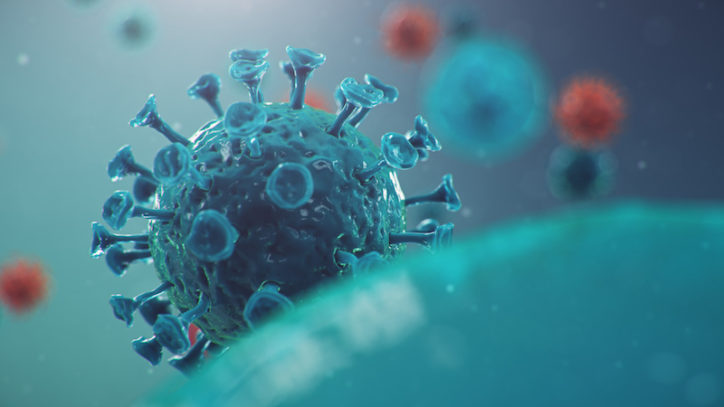
The Delta variant of SARS-CoV-2 has swept the planet, becoming the dominant variant within just a few months. A new study from Boston Children’s Hospital, published in Science, explains why Delta spreads so easily and infects people so quickly. It also suggests a more targeted strategy for developing next-generation COVID-19 vaccines and treatments. Last spring, ... Read More about What makes the Delta variant of COVID-19 so contagious?
New research NETs a fresh angle for treating severe inflammation
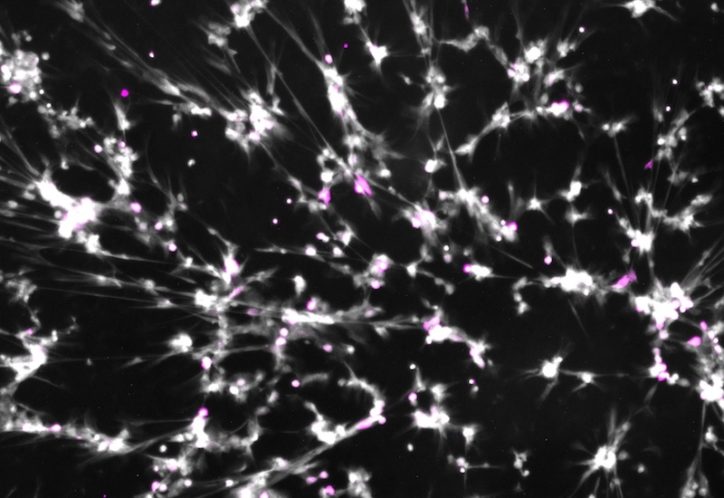
As we’ve seen during the COVID-19 pandemic, serious infections sometimes trigger an excessive inflammatory reaction that does as much harm — or more — than the infection itself. New research at Boston Children’s Hospital and Brigham and Women’s Hospital suggests a potential way to block this hyperinflammation response by repurposing or modifying an existing drug. ... Read More about New research NETs a fresh angle for treating severe inflammation
Finding new targets for acute myeloid leukemia in children
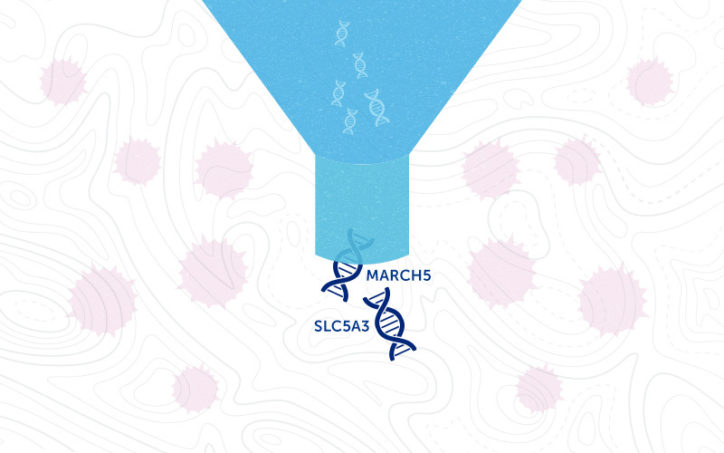
Acute myeloid leukemia (AML) is the second most common leukemia diagnosed in children. It is hard to treat and can be fatal in some cases. While there have been some recent successes with genetically targeted therapies for adults, AML has different genetic features in children, and care has been slow to advance. “The state of ... Read More about Finding new targets for acute myeloid leukemia in children
‘Human accelerated regions’: How they make our brains uniquely human
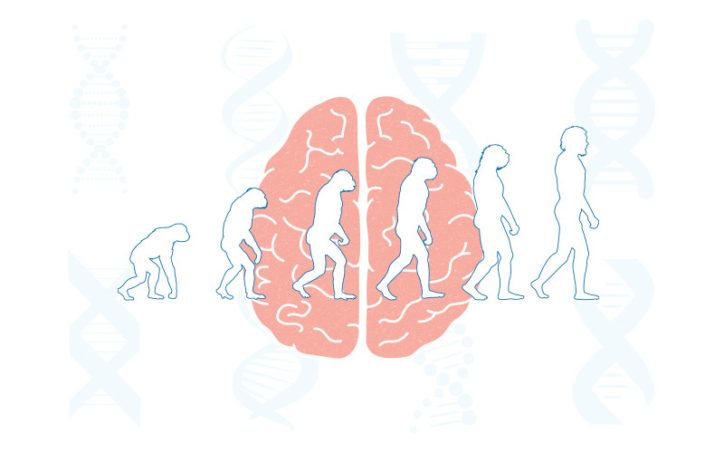
Starting when humans diverged from chimpanzees some 5 to 6 million years ago, we’ve evolved in our uniquely human fashion thanks to changes in our genome. And certain parts of the human genome, known as human accelerated regions or HARs, have evolved especially rapidly. Intriguing new work led by Christopher Walsh, MD, PhD, of Boston ... Read More about ‘Human accelerated regions’: How they make our brains uniquely human

Unpacking the body’s interferon response to COVID-19
Interferons are potent natural antivirals, rallying other parts of the immune system to defend against viruses. Some clinical trials have tested interferons as a treatment for COVID-19, but results have been mixed. And the science has been unclear about whether interferons are helpful or harmful. Key takeawayAn early, protective interferon response in the upper respiratory ... Read More about Unpacking the body’s interferon response to COVID-19

RNA-modifying protein offers a possible lead for treating aggressive cancers
A protein that modifies RNAs, called METTL1, could be a target for treating some aggressive, difficult-to-treat cancers, suggests new research in Molecular Cell. The study provides evidence that blocking METTL1 curbs cancer cells’ ability to grow, selectively killing them, and the researchers believe it could be targeted with drugs. METTL1 and related proteins had previously ... Read More about RNA-modifying protein offers a possible lead for treating aggressive cancers

Why do some people get severe COVID-19? The nose may know
The body’s first encounter with SARS-CoV-2, the virus behind COVID-19, happens in the nose and throat, or nasopharynx. A new study in the journal Cell suggests that the first responses in this battleground help determine who will develop severe disease and who will get through with mild or no illness. Building on work published last ... Read More about Why do some people get severe COVID-19? The nose may know
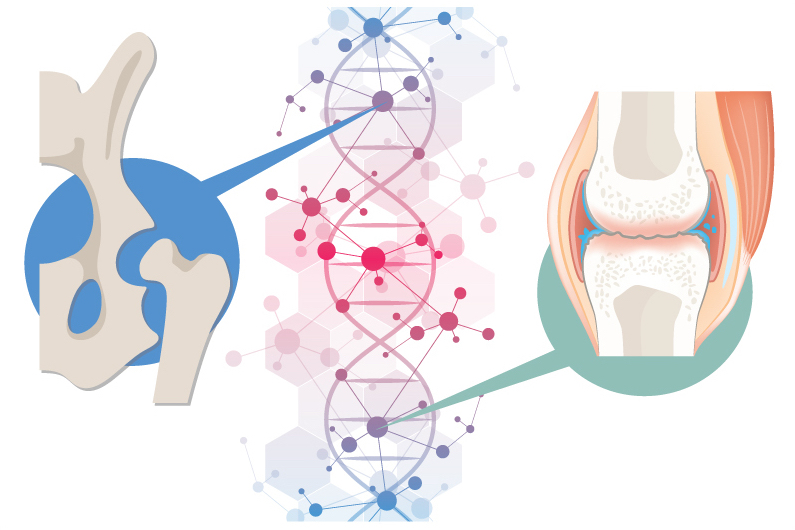
The surprisingly specific genetics of joint disease
A new study provides unexpected insights into the biology of two common, heritable orthopedic conditions: developmental dysplasia of the hip (DDH) and knee osteoarthritis (OA). The findings, published July 6 in Nature Communications, show how a gene can have different effects in different parts of the body. They also raise the possibility of preventive measures ... Read More about The surprisingly specific genetics of joint disease

A ‘pump’ gene’s surprising role in early brain formation
In polymicrogyria, the cortex of the brain has many irregular, small folds (gyria) and disorganization of its layers. Many affected children have severe developmental delay, intellectual disabilities, and epilepsy, and many need to use a wheelchair. Mutations in several different genes can cause this “overfolding of the brain” condition. Key takeaways The gene ATP1A3, associated ... Read More about A ‘pump’ gene’s surprising role in early brain formation