

Archive for Nancy Fliesler

Meet BORIS: A new culprit in drug-resistant cancer?
Like a Russian bot corrupting U.S. elections, or a new prime minister wreaking havoc in the U.K., a protein named BORIS is showing itself to be a malevolent player in some childhood cancers. New research fingers BORIS as a culprit that can hack the neuroblastoma genome, rousing the cancer cells from dormancy after certain types ... Read More about Meet BORIS: A new culprit in drug-resistant cancer?
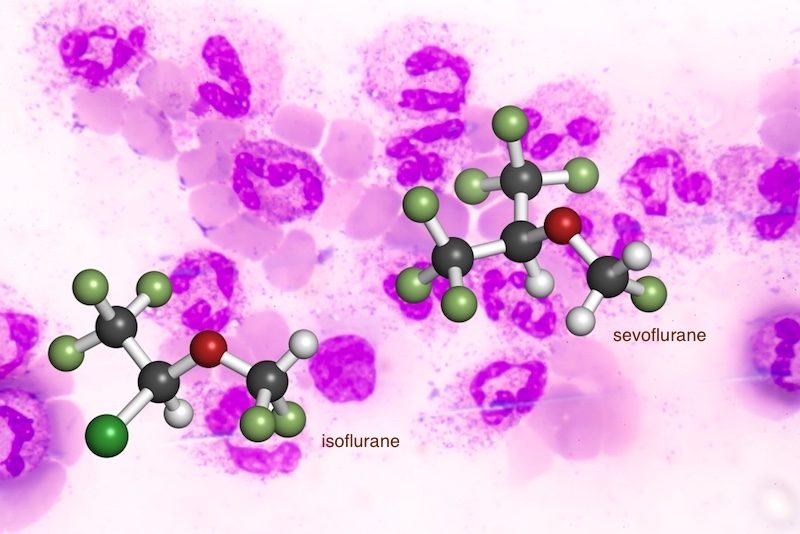
In surgery for people with sepsis, choice of anesthetic may matter
Sepsis, an extreme immune response to infection, has no specific treatment and is a leading cause of hospital deaths. As part of their care, patients often undergo imaging procedures and surgery to pinpoint and help eliminate the infection. New preclinical findings suggest that the choice of general anesthetic used for these procedures can influence sepsis ... Read More about In surgery for people with sepsis, choice of anesthetic may matter
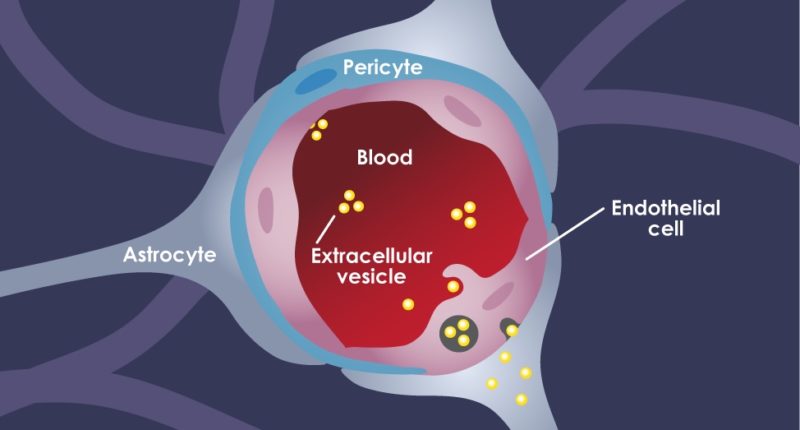
How breast cancer uses exosomes to metastasize to the brain
Metastasizing breast cancers typically seek out the bones, lung, and brain. Brain metastases are especially dangerous; many women survive for less than a year after diagnosis. How is the cancer able to get past the blood brain barrier? And can it be blocked? Those questions led PhD candidate Golnaz Morad, DDS, and her mentor Marsha ... Read More about How breast cancer uses exosomes to metastasize to the brain
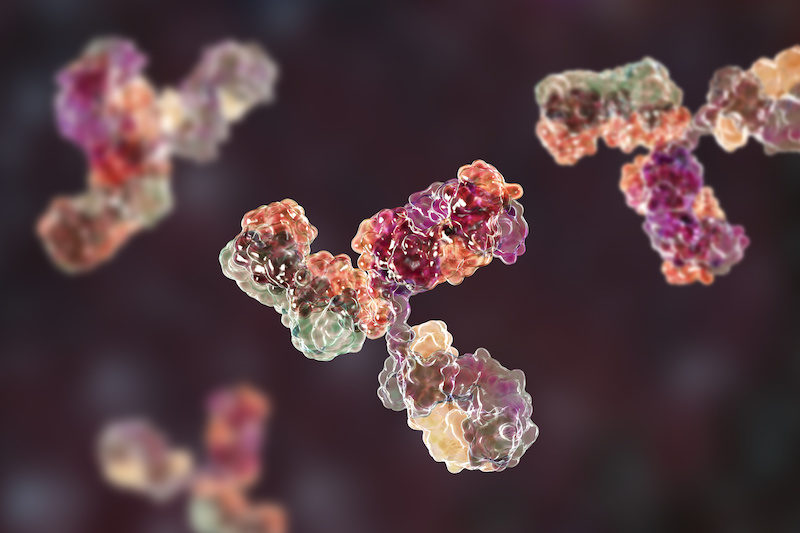
How new loops in DNA packaging help us make diverse antibodies
Diversity is good, especially when it comes to antibodies. It’s long been known that a gene assembly process called V(D)J recombination allows our immune system to mix and match bits of genetic code, generating new antibodies to conquer newly encountered threats. But how these gene segments come together to be spliced has been a mystery. ... Read More about How new loops in DNA packaging help us make diverse antibodies

In high-risk neuroblastoma, two stem cell transplants may be better than one
Since the early 1990s, chemotherapy followed by an autologous stem cell transplant has been the standard of care for high-risk neuroblastoma, a childhood cancer that starts in nerve cells outside the brain, especially in the tissues of the adrenal glands, and sometimes the neck, chest, or pelvis. Before children receive chemotherapy to destroy the neuroblastoma, ... Read More about In high-risk neuroblastoma, two stem cell transplants may be better than one

New insights on medulloblastoma from single-cell sequencing
Medulloblastoma, a malignant tumor in the cerebellum, is one of the most common malignant brain cancers in children. Survival rates range from 20 to 90 percent, depending on the genetic subtype. There are at least four: WNT and Sonic Hedgehog (named for the signaling pathways that drive them), Group 3, and Group 4. Group 3 ... Read More about New insights on medulloblastoma from single-cell sequencing

Novel CRISPR system could halt growth of triple-negative breast cancer
Triple-negative breast cancer (TNBC), lacking estrogen, progesterone and HER2 receptors, has the highest mortality rate of all breast cancers. It more frequently strikes women under age 50, African American women, and women carrying a BRCA1 gene mutation. The highly aggressive, frequently metastatic cancer is in urgent need of more effective targeted therapeutics. A new tumor-targeted ... Read More about Novel CRISPR system could halt growth of triple-negative breast cancer

PET imaging shows if PD-1 cancer immunotherapy is working
PD-1 is a protein on our T cells that normally keeps these immune cells from running amok. A growing number of cancer drugs are designed to inhibit PD-1, enabling patients’ T-cells to attack and kill cancerous cells. PD-1 blockers such as pembrolizumab (Keytruda) have been helpful in treating several cancers including melanoma, non-small cell lung ... Read More about PET imaging shows if PD-1 cancer immunotherapy is working

Existing anti-parasitic drug could offer a treatment for Ebola
Amid the worsening Ebola outbreak in the Congo, now threatening to spill into Rwanda, a new study suggests that an existing, FDA-approved drug called nitazoxanide could potentially help contain this deadly, highly contagious infection. In meticulous experiments in human cells, described today in iScience, the drug significantly amplified immune responses to the virus and inhibited ... Read More about Existing anti-parasitic drug could offer a treatment for Ebola

A vaccine to prevent opioid overdose?
Sharon Levy, MD, MPH, who directs the Adolescent Substance Use and Addiction Program (ASAP) at Boston Children’s Hospital, was getting her youngest son ready for school, when her husband Ofer, an infectious disease physician at the same hospital, came to her with an offer. The NIH was soliciting proposals to develop an opioid vaccine. Would ... Read More about A vaccine to prevent opioid overdose?