

Archive for Nancy Fliesler
A vaccine to prevent opioid overdose?
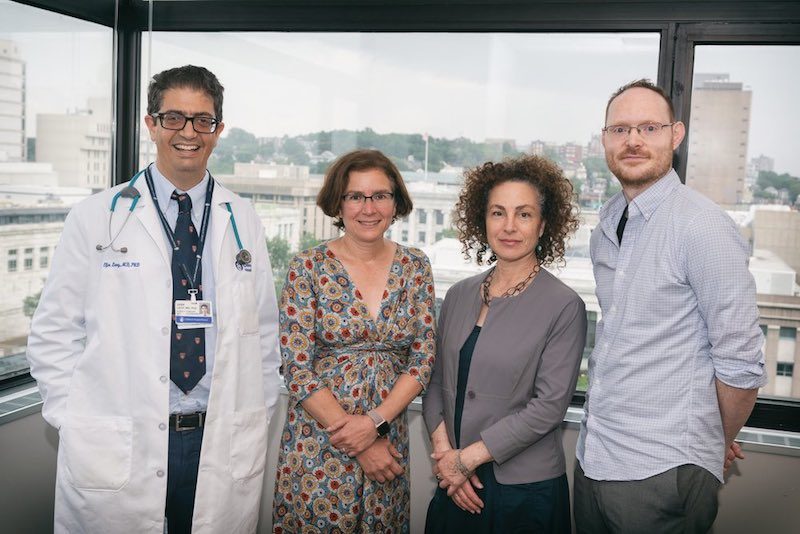
Sharon Levy, MD, MPH, who directs the Adolescent Substance Use and Addiction Program (ASAP) at Boston Children’s Hospital, was getting her youngest son ready for school, when her husband Ofer, an infectious disease physician at the same hospital, came to her with an offer. The NIH was soliciting proposals to develop an opioid vaccine. Would ... Read More about A vaccine to prevent opioid overdose?
Presidential awardee explores epigenetics via slime molds, worms, and more
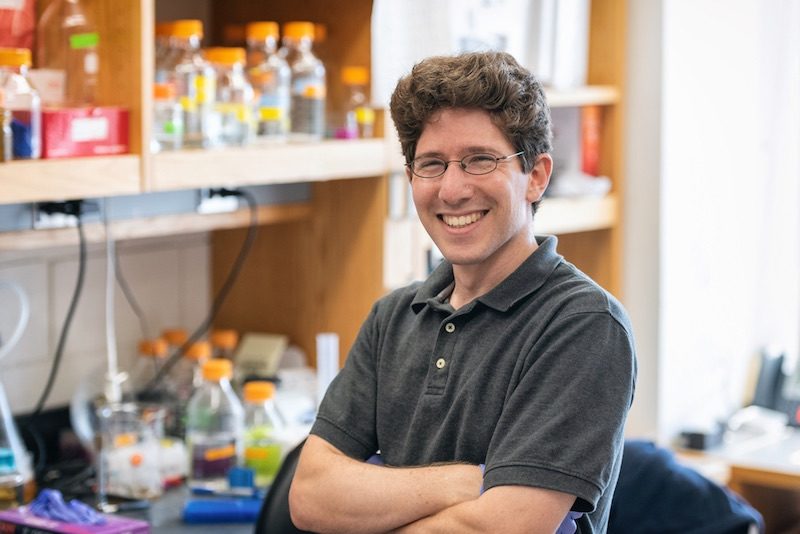
Pretty much all of your cells have the same DNA code. Yet they come in an astonishing number of forms. Some cells contract so that your heart can beat or your muscles flex. Others have jobs in your immune system, tuned to recognize different threats. And cells can change their behavior, altering their metabolism for ... Read More about Presidential awardee explores epigenetics via slime molds, worms, and more

Single-cell sequencing reveals glioblastoma’s shape-shifting nature
Glioblastoma, a cancer that arises in the brain’s supporting glial cells, is one of the worst diagnoses a child can receive. The grade IV, highly malignant tumor aggressively infiltrates healthy brain tissue, and most children die of the disease within one to two years of diagnosis, similar to adults. “The current approach is surgical removal, ... Read More about Single-cell sequencing reveals glioblastoma’s shape-shifting nature
Pupil dilation and heart rate, analyzed by AI, may offer early autism diagnosis
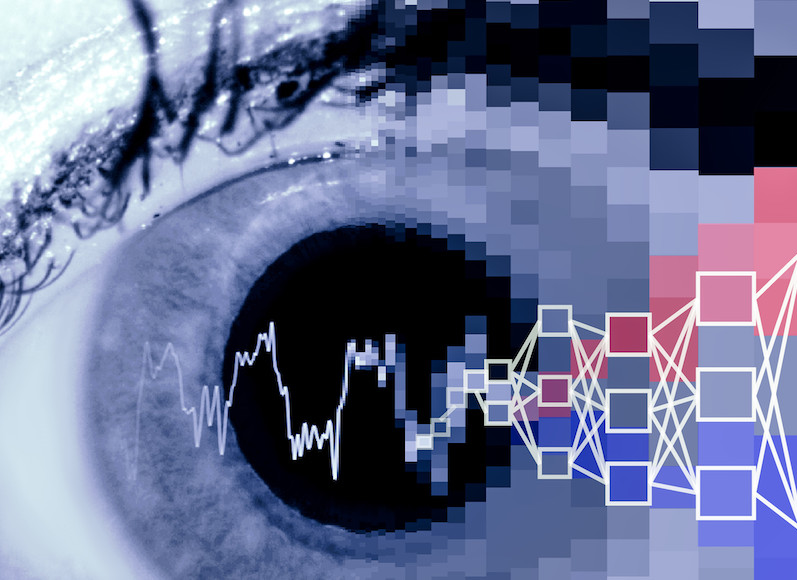
Autism and other neurodevelopmental disorders often aren’t diagnosed until a child is a few years of age, when behavioral interventions and speech/occupational therapy become less effective. But new research this week in PNAS suggests that two simple, quantifiable measures — spontaneous fluctuations in pupil dilation or heart rate — could enable much earlier diagnosis of ... Read More about Pupil dilation and heart rate, analyzed by AI, may offer early autism diagnosis

Tissue models and a gene therapy for a deadly heart arrhythmia
Catecholaminergic polymorphic ventricular tachycardia (CPVT) is a leading cause of sudden death from cardiac arrest in children and young adults. Marked by racing, irregular heartbeats, the inherited arrhythmia is typically silent until a child suddenly collapses and faints, at an average age of 12. The trigger is an adrenaline surge, caused by exercise or emotional ... Read More about Tissue models and a gene therapy for a deadly heart arrhythmia

Answers to six questions about anxiety in children and teens
Between school and social demands, lots of children feel stress, but at what point does anxiety cross the line and become a mental health concern? We sat down with Keneisha Sinclair-McBride, PhD, a clinical psychologist in the Department of Psychiatry at Boston Children’s Hospital, to better understand what separates serious forms of anxiety from normal worrying, ... Read More about Answers to six questions about anxiety in children and teens
Optimized CRISPR/Cas9 gene editing averts hearing loss in ‘Beethoven’ mice
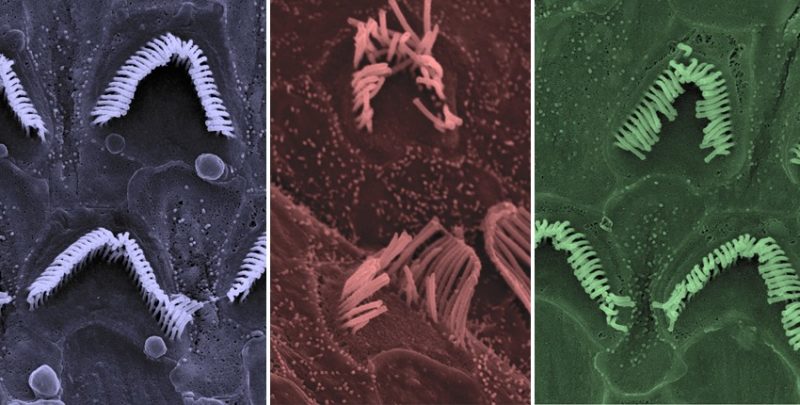
Using a novel gene-editing approach, scientists at Boston Children’s Hospital and Harvard Medical School have salvaged hearing in a mouse model of hereditary deafness, with no apparent off-target effects. The system successfully identified a single misspelled “letter” in the defective copy of a gene required for hearing, disabled this aberrant copy, and spared the healthy ... Read More about Optimized CRISPR/Cas9 gene editing averts hearing loss in ‘Beethoven’ mice
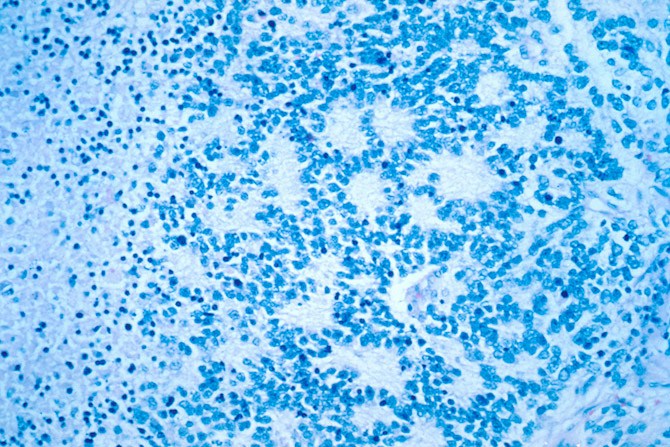
Overriding resistance to epigenetic inhibitors in neuroblastoma
Neuroblastoma and other children’s cancers pose unique challenges. They’re not caused by the same kinds of genetic mutations that cause adult cancers, and only a minority of their mutations can be targeted with drugs. In a recent study, a team led by Kimberly Stegmaier, MD, at Dana-Farber/Boston Children’s Cancer and Blood Disorders Center systematically deleted every gene ... Read More about Overriding resistance to epigenetic inhibitors in neuroblastoma
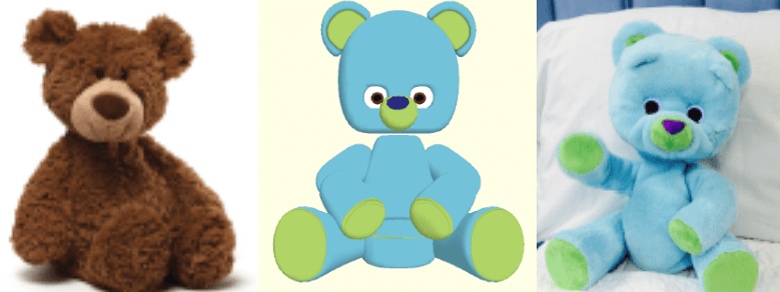
‘Huggable,’ a social robot for kids, eases hospital stress
Children confined to the hospital often feel lonely, bored, or scared, and must cope with pain and homesickness. They may not fully understand why they are there or what will happen next. Hours can feel like days. That’s where a robotic teddy bear called Huggable could come in, suggests a new study published today in ... Read More about ‘Huggable,’ a social robot for kids, eases hospital stress
Rare recessive mutations pry open new windows on autism
Over the past decade, autism spectrum disorder has been linked to mutations in a variety of genes, explaining up to 30 percent of all cases to date. Most of these variants are de novo mutations, which are not inherited, affect just one copy of a gene, and are relatively easy to find. The lab of ... Read More about Rare recessive mutations pry open new windows on autism