

Archive for Nancy Fliesler
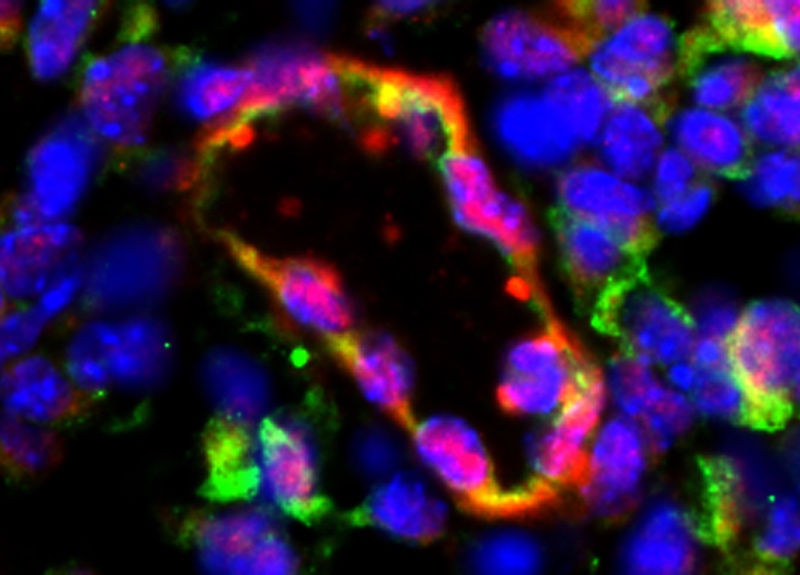
Long-term hemophilia treatment could lie in patients’ own cells
Children (and adults) with hemophilia are slow to form blood clots, so are at constant risk for uncontrolled bleeding. Even when the skin isn’t broken, a fall or a simple toe stub can become a serious medical issue: internal bleeding cause permanent damage to muscles and joints. While regularly replacing the missing or malfunctioning clotting ... Read More about Long-term hemophilia treatment could lie in patients’ own cells
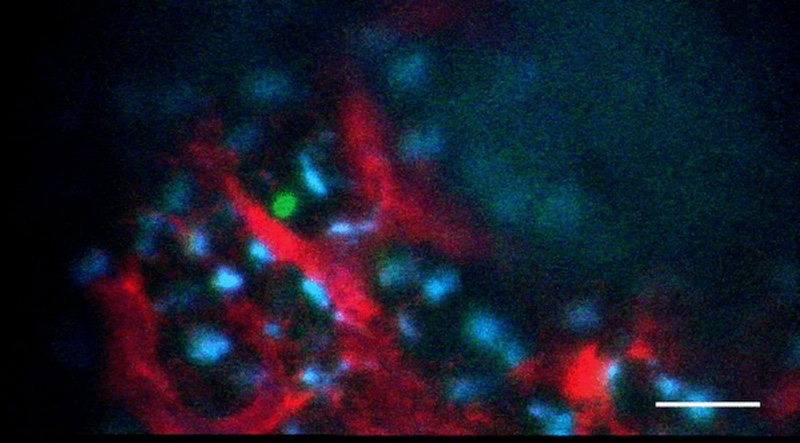
Following blood stem cells in the body could yield better, safer treatments
Blood stem cells make all the different kinds of blood and immune cells in our body. Scientists have long been trying to make these cells in the lab and use them to make different blood cell types on demand. Mastering these feats could help make bone marrow transplants more efficient and less toxic, and could ... Read More about Following blood stem cells in the body could yield better, safer treatments
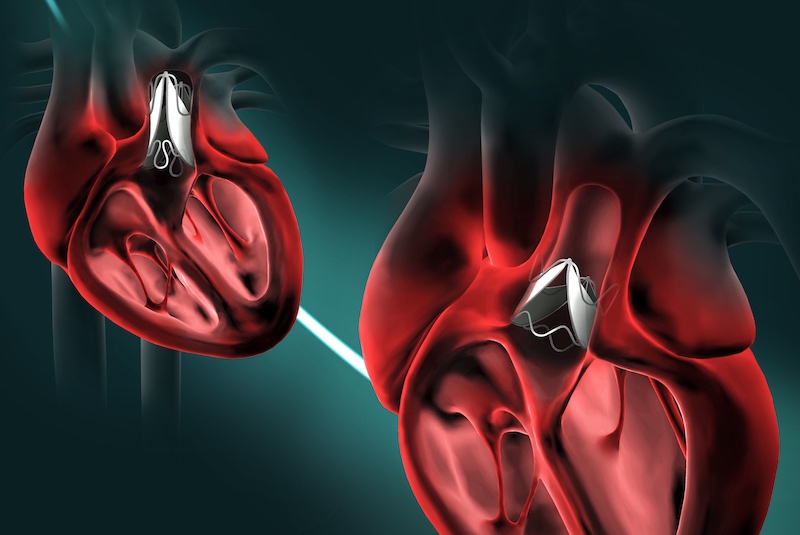
Someday, this prosthetic heart valve might be the only one a child needs
More than 330,000 children worldwide are born with a heart valve defect, and millions of others develop rheumatic heart disease requiring early valve replacement. Current prosthetic heart valves are fixed in size, so typically need to be replaced every few years as a child grows. For children receiving their first replacement before age 2, that ... Read More about Someday, this prosthetic heart valve might be the only one a child needs

Going into science: Women scientists at Boston Children’s offer advice to girls
In honor of the International Day of Women and Girls in Science (February 11), we invited women scientists at all stages of their careers at Boston Children’s Hospital to share their scientific agendas. Here is some of what they had to say. The scientists also offered their advice for girls interested in entering the field. ... Read More about Going into science: Women scientists at Boston Children’s offer advice to girls
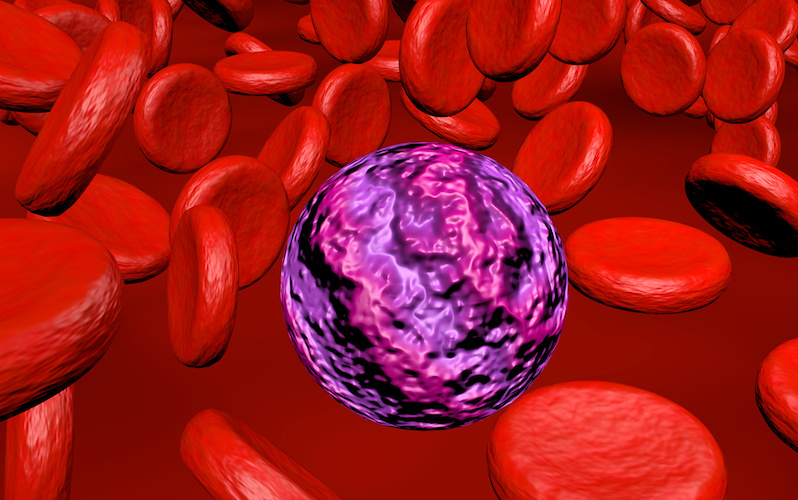
Could leukemia be stopped before it starts?
Acute myeloid leukemia (AML), a blood cancer affecting both adults and children, requires more than one genetic “hit” to develop. As we age, many of us acquire a mutation that enables certain of our blood cells to multiply faster than others, forming their own distinct population. This first hit, known as “clonal hematopoiesis of indeterminate ... Read More about Could leukemia be stopped before it starts?

Good early results with gene therapy for rare immune deficiency
Brenden Whittaker, a college student in Ohio, has been caught off guard by his good health. Since he was young, a rare immune deficiency known as chronic granulomatous disease (CGD) had left him vulnerable to life-threatening infections. He was used to going in and out of the hospital, and then hooking up to an IV ... Read More about Good early results with gene therapy for rare immune deficiency

Survivors of childhood cancer are living longer
Childhood cancer survivorship has improved dramatically over the past 50 years as new therapies have been discovered. Today, more than 80 percent of children and adolescents diagnosed with cancer can expect to live five years or more. But what about long term? An analysis led by Jennifer Yeh, PhD, of Boston Children’s Hospital and Lisa ... Read More about Survivors of childhood cancer are living longer
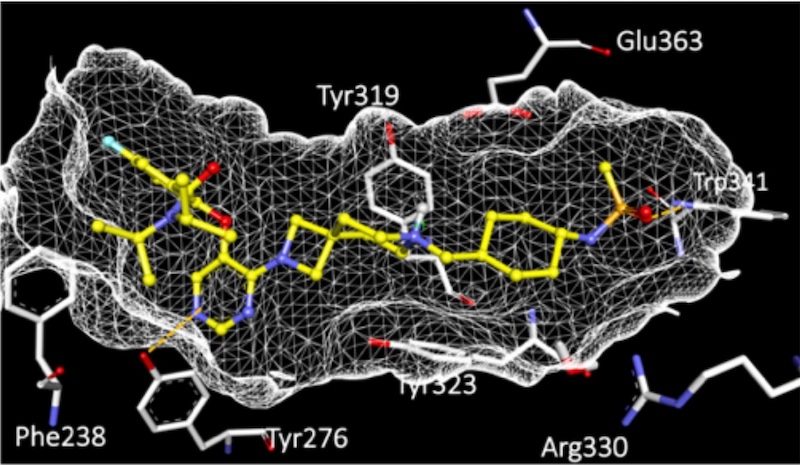
Targeted small-molecule agent shows early promise against a dangerous infant leukemia
Leukemias involving reshuffling or rearrangement of the mixed lineage leukemia (MLL) gene, known as MLL-rearranged or MLL-r leukemias, account for 70 to 80 percent of acute leukemias in infants under one year old. In these blood cancers, a subset of acute myeloid and acute lymphoid leukemias (AML and ALL), the MLL gene breaks and reattaches ... Read More about Targeted small-molecule agent shows early promise against a dangerous infant leukemia

Gene therapy to boost fetal hemoglobin continues to do well in sickle cell trial
A pilot gene therapy treatment for sickle cell disease, restoring patients’ ability to make fetal hemoglobin, has produced good results in the first three patients to receive it. Investigators at Boston Children’s Hospital reported the findings of their ongoing clinical trial this week at the American Society of Hematology (ASH) annual meeting. The three adult ... Read More about Gene therapy to boost fetal hemoglobin continues to do well in sickle cell trial
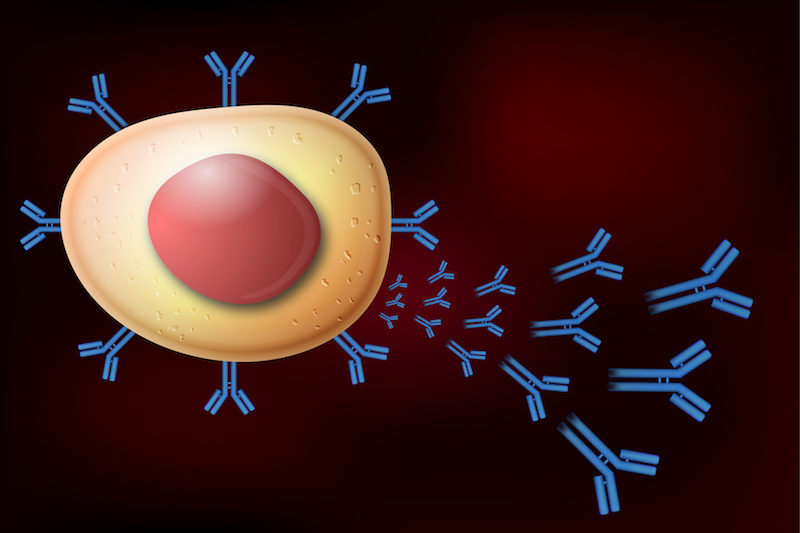
Protecting against HIV by tricking the immune system
In making an HIV vaccine, a major goal is to stimulate production of broadly neutralizing antibodies that can fight multiple strains of the frequently changing virus. To date, experimental HIV vaccines haven’t been able to induce these kinds of antibodies. In fact, the immune system actively stops their production, seeing them as a threat. Another ... Read More about Protecting against HIV by tricking the immune system