

Archive for Nancy Fliesler

Vaping and COVID-19: A toxic blend?
With the COVID-19 pandemic keeping most of us sheltering at home, teens who vape are facing a reckoning. Should they quit vaping? What if they can’t? “Some of our patients have successfully quit vaping, and tell us that ‘stay at home’ orders have helped, because they’re not around their friends who use,” says Dr. Sharon ... Read More about Vaping and COVID-19: A toxic blend?
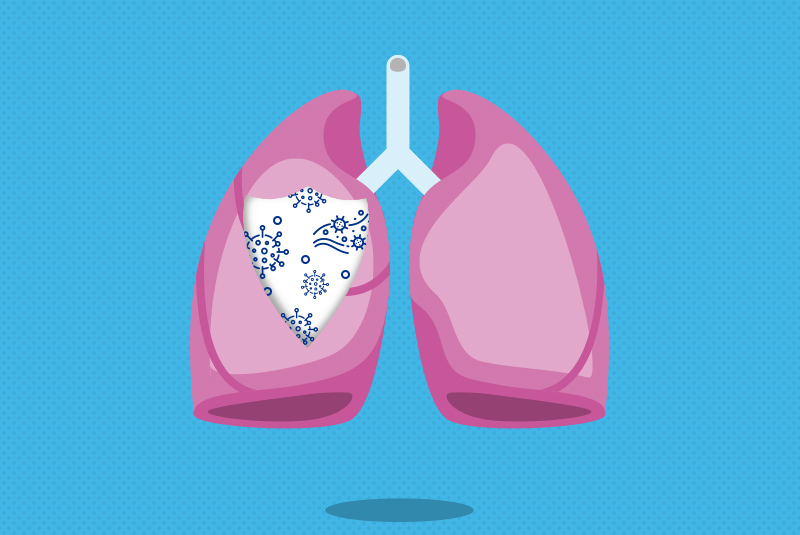
How the new coronavirus gets into respiratory tissue — and may exploit one of our defenses
What makes SARS-CoV-2, the virus behind COVID-19, such a threat? A new study, led by Jose Ordovas-Montanes, PhD, at Boston Children’s Hospital and Alex K. Shalek, PhD, at MIT, pinpoints the likely cell types the virus infects. Unexpectedly, it also shows that one of the body’s main defenses against viral infections may actually help the ... Read More about How the new coronavirus gets into respiratory tissue — and may exploit one of our defenses

A drug treatment for telomere diseases?
For years, Donna Martin carried a piece of scrap paper with the words “dyskeratosis congenita,” which she believed might explain her son Brad’s sudden, mysterious affliction. A routine blood test had revealed Brad’s bone marrow was failing, unable to keep up with his need for healthy blood cells. His condition, Donna knew, would worsen over ... Read More about A drug treatment for telomere diseases?
Teens, social distancing, and anxiety in the time of COVID-19
You’d think teens would be in their sweet spot: minimal school, no extracurriculars, and plenty of time to sleep in, watch Netflix, surf the web, and have video chats. But in reality, many teens are unnerved by COVID-19 and the disruption it has brought. Many struggle with being stuck at home, unable to visit their ... Read More about Teens, social distancing, and anxiety in the time of COVID-19
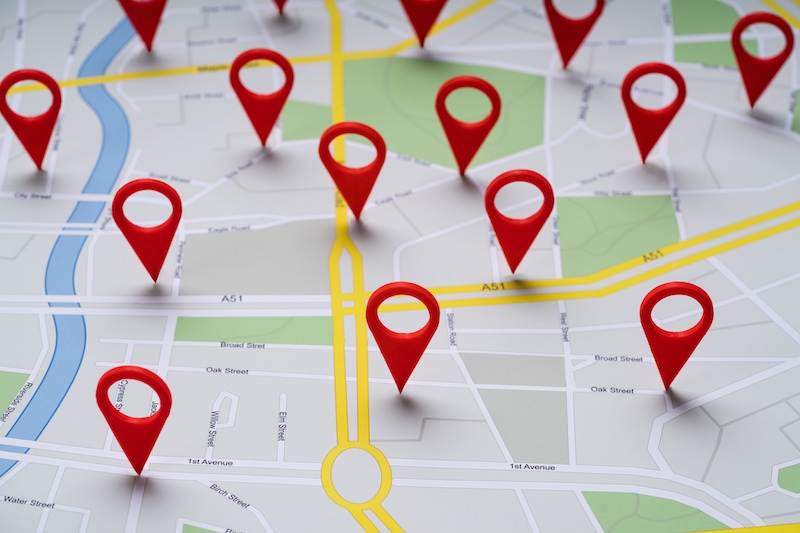
Mobile ‘location’ data could help guide COVID-19 social distancing measures
How well are quarantines and social distancing working to slow the COVID-19 pandemic? When is it safe for us to return to school or work? The answers could lie, in part, in the “location” data that companies like Google collect from us every day. Last week, a group of epidemiologists, public health experts, and data ... Read More about Mobile ‘location’ data could help guide COVID-19 social distancing measures
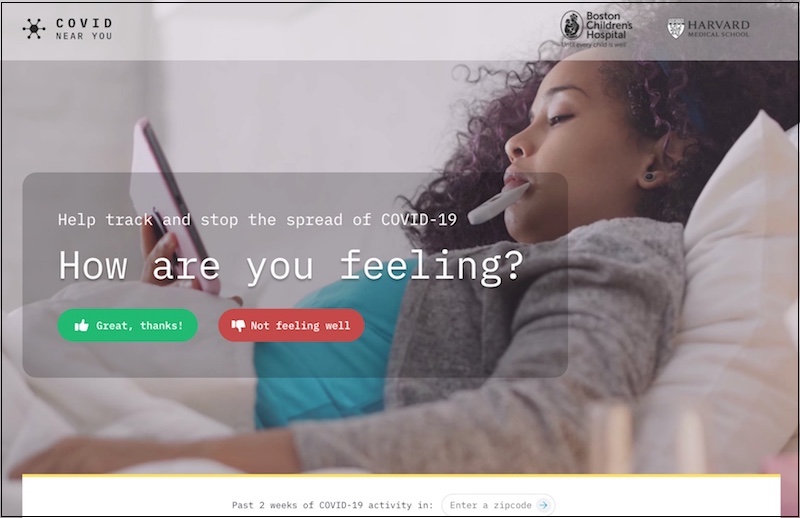
Crowdsourcing the COVID-19 pandemic in real time
News about the global COVID-19 pandemic changes virtually minute by minute. Beyond staying home, handwashing, and covering your cough, you may wonder what you can do to help. A new website developed by the HealthMap team at Boston Children’s Hospital, COVID Near You, offers one way. Taking a moment to share your health status on ... Read More about Crowdsourcing the COVID-19 pandemic in real time
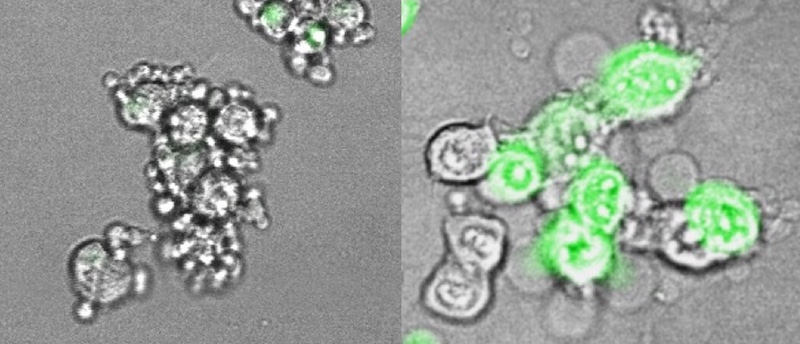
Gasdermin E: A new approach to cancer immunotherapy
Tumors have figured out various ways to prevent the immune system from attacking them. Medicine, for its part, has fought back with cancer immunotherapy. The major approach uses checkpoint inhibitors, drugs that help the immune system recognize cancer cells as foreign. Another method, CAR T-cell therapy, directly engineers peoples’ T cells to efficiently recognize cancer ... Read More about Gasdermin E: A new approach to cancer immunotherapy
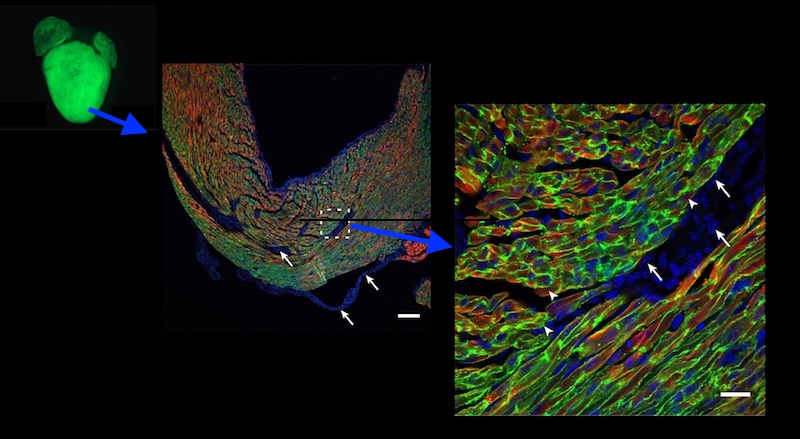
Gene therapy reverses heart failure in mouse model of Barth syndrome
Barth syndrome is a rare metabolic disease caused by mutation of a gene called tafazzin or TAZ. It can cause life-threatening heart failure and also weakens the skeletal muscles, undercuts the immune response, and impairs overall growth. Because Barth syndrome is X-linked, it almost always occurs in boys. There is no cure or specific treatment. ... Read More about Gene therapy reverses heart failure in mouse model of Barth syndrome
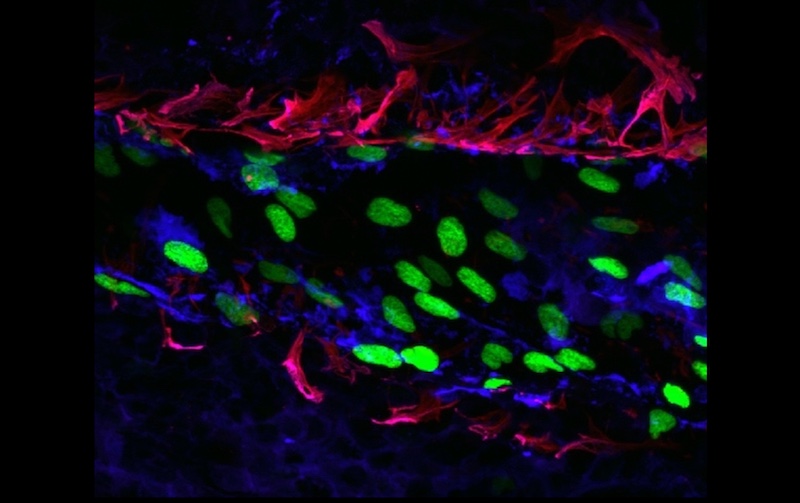
S1P and its receptor: New approaches to cancer?
In 1998, when Timothy Hla, PhD, and his colleagues identified and cloned the receptor for sphingosine-1-phosphate (S1P), it generated a lot of excitement. S1P, a lipid originally discovered in the 1960s, was known to play various roles in the body and in disease. But it wasn’t thought that lipids could have receptors, and it wasn’t ... Read More about S1P and its receptor: New approaches to cancer?
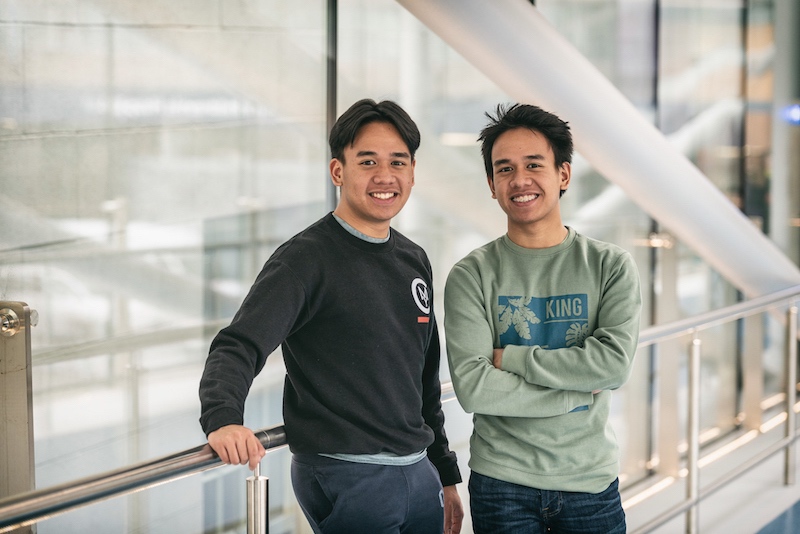
Accessing hemophilia care: A tale of two countries
When Miguel and Marco Antonio were born in the Philippines, they had a 50 percent chance of having hemophilia, as two of their uncles had the condition. “We were just crossing our fingers that they’d fall in the other 50 percent,” says Jojo, their father. But when Miguel was taking his first steps as ... Read More about Accessing hemophilia care: A tale of two countries