

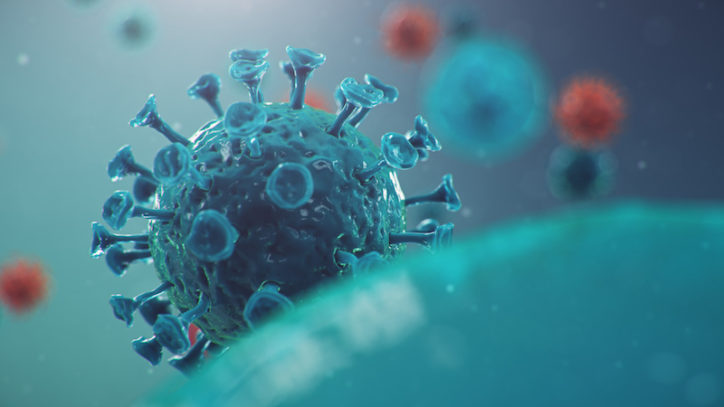
What makes the Delta variant of COVID-19 so contagious?
The Delta variant of SARS-CoV-2 has swept the planet, becoming the dominant variant within just a few months. A new study from Boston Children’s Hospital, published in Science, explains why Delta spreads so easily and infects people so quickly. It also suggests a more targeted strategy for developing next-generation COVID-19 vaccines and treatments. Last spring, ... Read More about What makes the Delta variant of COVID-19 so contagious?
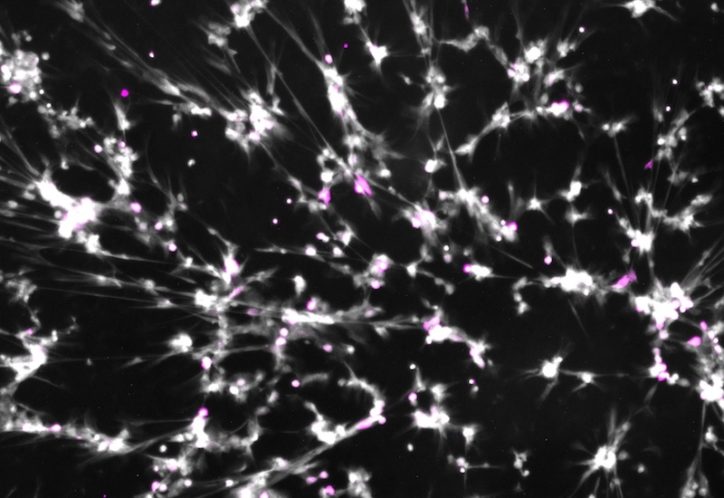
New research NETs a fresh angle for treating severe inflammation
As we’ve seen during the COVID-19 pandemic, serious infections sometimes trigger an excessive inflammatory reaction that does as much harm — or more — than the infection itself. New research at Boston Children’s Hospital and Brigham and Women’s Hospital suggests a potential way to block this hyperinflammation response by repurposing or modifying an existing drug. ... Read More about New research NETs a fresh angle for treating severe inflammation
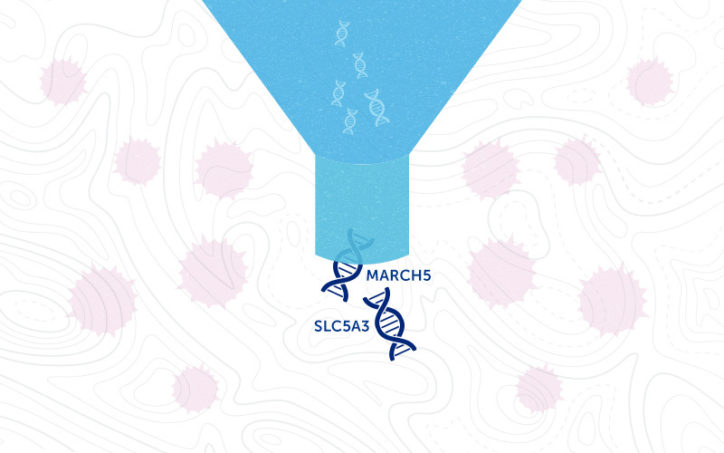
Finding new targets for acute myeloid leukemia in children
Acute myeloid leukemia (AML) is the second most common leukemia diagnosed in children. It is hard to treat and can be fatal in some cases. While there have been some recent successes with genetically targeted therapies for adults, AML has different genetic features in children, and care has been slow to advance. “The state of ... Read More about Finding new targets for acute myeloid leukemia in children
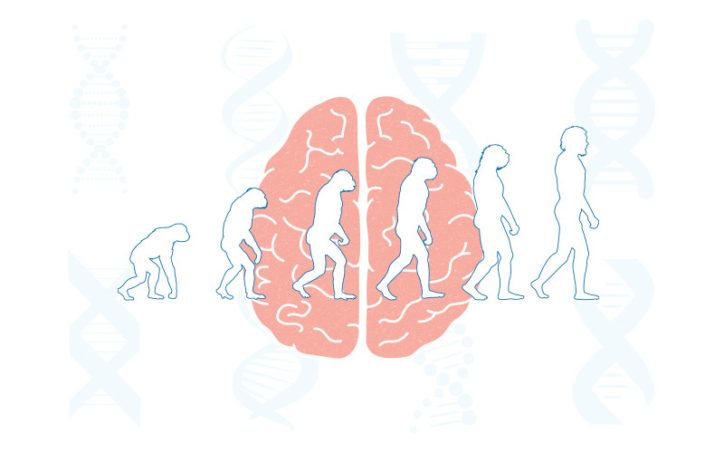
‘Human accelerated regions’: How they make our brains uniquely human
Starting when humans diverged from chimpanzees some 5 to 6 million years ago, we’ve evolved in our uniquely human fashion thanks to changes in our genome. And certain parts of the human genome, known as human accelerated regions or HARs, have evolved especially rapidly. Intriguing new work led by Christopher Walsh, MD, PhD, of Boston ... Read More about ‘Human accelerated regions’: How they make our brains uniquely human
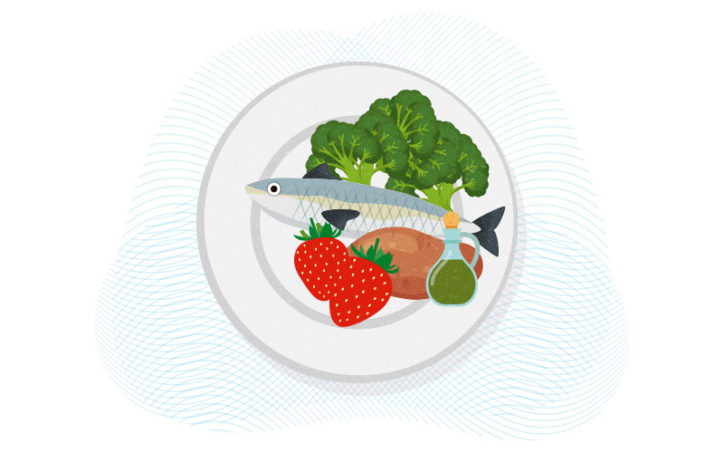
Low-carb or low-fat? Study pinpoints better diet
Despite the popularity of low-carbohydrate diets, health experts have pushed low-fat diets for the past 50 years, citing saturated fat as the main health risk. As a result, grocery shelves are stocked with low-fat and fat-free foods, many of which are high in processed carbs. Drs. David Ludwig and Cara Ebbeling, who co-direct the New ... Read More about Low-carb or low-fat? Study pinpoints better diet

Lead exposure remains a problem for some children
Lead poisoning has been with us since the beginning of the Industrial Revolution. But it wasn’t until the late 1970s that strong laws were passed to reduce lead in the environment. And 40+ years later, a large national study still finds evidence of possibly harmful lead exposure in young children, especially those living in low-income ... Read More about Lead exposure remains a problem for some children

A promising new antiseizure drug tailored to newborns
Neonatal seizures can lead to serious consequences, including significant cognitive and motor disabilities, lifelong epilepsy, and death. They are often highly resistant to treatment, in part because seizures in newborns are fundamentally different from seizures in older children and adults. Yet they are treated in much the same way as older patients, with little change over the decades. Better treatment is ... Read More about A promising new antiseizure drug tailored to newborns
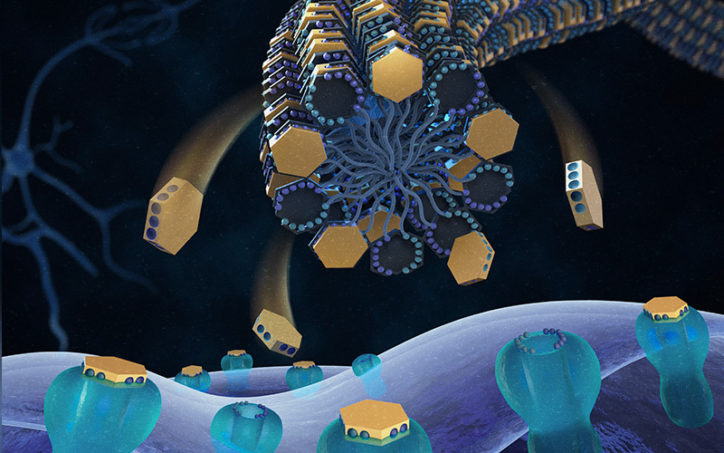
A bio-inspired approach to delivering local anesthetics
Site 1 sodium channel blockers such as tetrodotoxin and saxitoxin are small-molecule drugs with powerful local anesthetic properties. They provide pain relief without toxic effects on local nerves and muscles, and are an attractive alternative to opioids. But injected by themselves, the anesthetics can easily float away, causing severe systemic toxicity. Encapsulating these drugs in ... Read More about A bio-inspired approach to delivering local anesthetics

Not just a physical thing: The psychology of sports injuries and recovery
“Nobody plays sports expecting to get injured, but unfortunately, injuries are part of sports,” says Melissa Christino, MD. As a surgeon in the Sports Medicine Division at Boston Children’s Hospital, Christino helps athletes recover from sports injuries, some of which keep her patients on the sidelines for weeks or months at a time. Key takeaways ... Read More about Not just a physical thing: The psychology of sports injuries and recovery

Trial for severe asthma targets a mutation common in children of color
Children and adults of color have higher rates of asthma than white people, as well as more hospitalizations and deaths. There are many reasons for this disparity, including more exposure to allergens and pollutants and differences in asthma care. One difference, however, is genetic. A mutation that causes severe, hard-to-treat asthma, in the gene ILR4, ... Read More about Trial for severe asthma targets a mutation common in children of color