


Survivors of childhood cancer are living longer
Childhood cancer survivorship has improved dramatically over the past 50 years as new therapies have been discovered. Today, more than 80 percent of children and adolescents diagnosed with cancer can expect to live five years or more. But what about long term? An analysis led by Jennifer Yeh, PhD, of Boston Children’s Hospital and Lisa ... Read More about Survivors of childhood cancer are living longer

Gene therapy to boost fetal hemoglobin continues to do well in sickle cell trial
A pilot gene therapy treatment for sickle cell disease, restoring patients’ ability to make fetal hemoglobin, has produced good results in the first three patients to receive it. Investigators at Boston Children’s Hospital reported the findings of their ongoing clinical trial this week at the American Society of Hematology (ASH) annual meeting. The three adult ... Read More about Gene therapy to boost fetal hemoglobin continues to do well in sickle cell trial
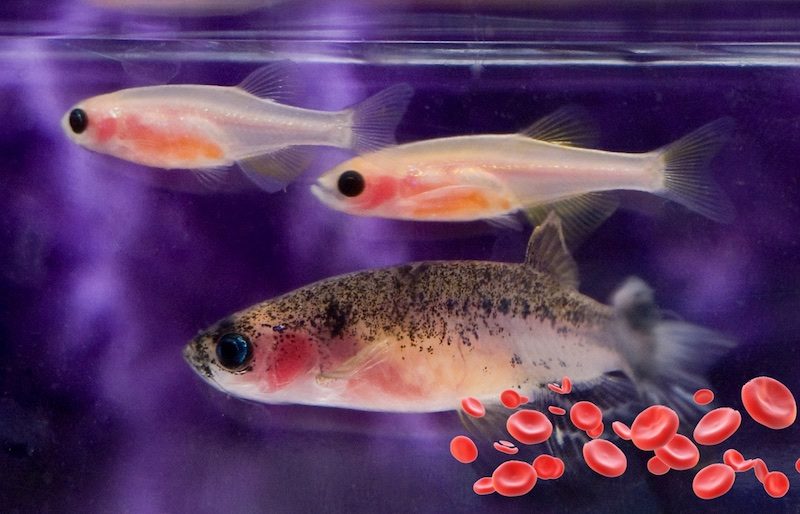
A potential Diamond-Blackfan anemia treatment swims into view
Zebrafish, besides being popular in aquariums, make good stand-ins for studying human diseases. They share about 70 percent of their genes with humans, and can be studied at a mass scale, enabling scientists to test hundreds, even thousands of drugs at a time simply by adding the drug to their water. One such test came ... Read More about A potential Diamond-Blackfan anemia treatment swims into view

Unlocking a treatment for diffuse intrinsic pontine glioma
Diffuse intrinsic pontine glioma (DIPG) is a highly aggressive and one of the most difficult-to-treat childhood tumors. It’s the second most common malignant brain tumor, as well as the leading cause of brain tumor death among children. “It’s essentially 100 percent fatal,” says Katherine Warren, MD, clinical director for Pediatric Neuro-Oncology at Dana-Farber/Boston Children’s Cancer and ... Read More about Unlocking a treatment for diffuse intrinsic pontine glioma

Low enrollment stymies completion of rare disease clinical trials
Rare diseases are anything but rare when taken together. In the United States alone, they affect nearly 30 million people. Yet clinical trials for rare diseases are frequently incomplete or go unpublished in the medical literature, finds a study published today in the journal PLOS Medicine. Analyzing 659 trials, researchers at Boston Children’s Hospital found ... Read More about Low enrollment stymies completion of rare disease clinical trials
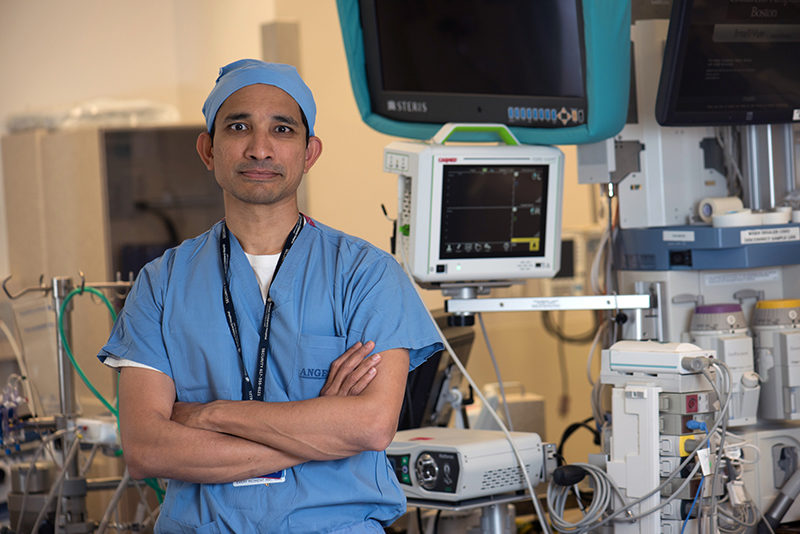
Healing hearts under a watchful eye
Cardiac surgery is performed using visual landmarks inside the heart. There are specialized conduction tissues that run underneath the surface, which are important for the heart’s rhythmic beating. Cardiac surgeons operate with these landmarks in mind to avoid injury to conduction tissue, but locating these tissues can be challenging. Fiberoptic confocal microscopy technology inside the ... Read More about Healing hearts under a watchful eye

Diet trials often amend their outcome measures as they go
Ever wonder why science can’t settle simple diet-related questions? In part it’s because most clinical trials involving diet, even those published in good journals, lack the rigor of most drug trials. They’re often small, of short duration, and unable to rigorously control subjects’ adherence to the test diets. Moreover, a study published today in JAMA ... Read More about Diet trials often amend their outcome measures as they go
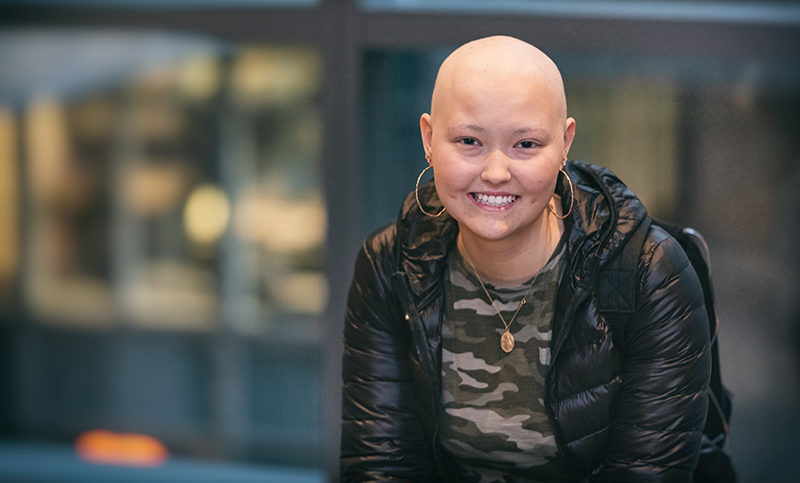
Hope in the shadow of Li-Fraumeni syndrome
Jake was diagnosed with his first cancer — osteosarcoma — in 2007 when he was only 16 years old. Meanwhile, his mom was being treated for recurrent cancer and his brother also would soon be diagnosed with cancer. Within the space of a few years, all three family members had died. This was not the ... Read More about Hope in the shadow of Li-Fraumeni syndrome
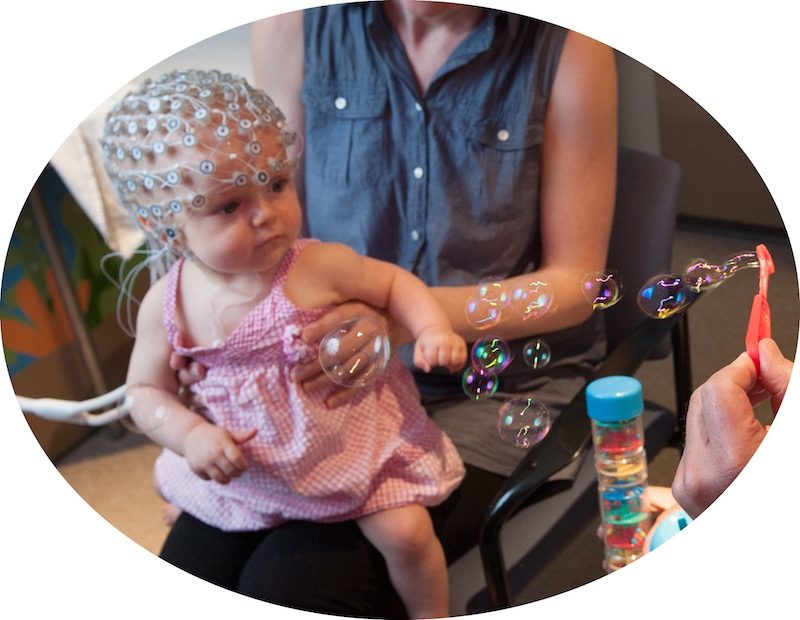
Babies’ EEG patterns predict whether they will develop autism
Signs of autism spectrum disorder (ASD) typically start to become apparent only in a child’s second year of life or later, but earlier identification could allow children to receive interventions as babies, when they have greater brain plasticity and thus may receive more benefit. A new study in Nature Communications finds that periodic EEGs in ... Read More about Babies’ EEG patterns predict whether they will develop autism

In high-risk neuroblastoma, two stem cell transplants may be better than one
Since the early 1990s, chemotherapy followed by an autologous stem cell transplant has been the standard of care for high-risk neuroblastoma, a childhood cancer that starts in nerve cells outside the brain, especially in the tissues of the adrenal glands, and sometimes the neck, chest, or pelvis. Before children receive chemotherapy to destroy the neuroblastoma, ... Read More about In high-risk neuroblastoma, two stem cell transplants may be better than one