

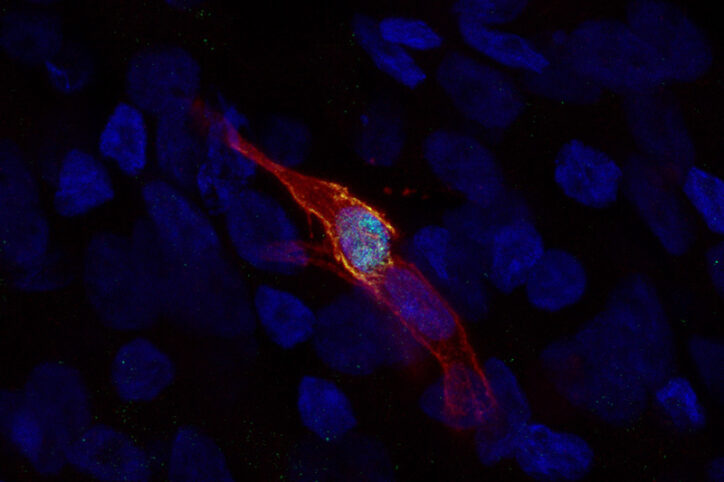
Making ionocytes: A step toward cell or gene therapy for cystic fibrosis
Cystic fibrosis transmembrane conductance regulator (CFTR) modulators were a breakthrough for cystic fibrosis, improving the movement of chloride and water and moistening mucus secretions. But these drugs are expensive, don’t work in all patients with cystic fibrosis, and have side effects and interactions with other drugs. People who do respond to CFTR modulators must take ... Read More about Making ionocytes: A step toward cell or gene therapy for cystic fibrosis

Study shows young adults don’t easily transition to self-care of diabetes
Diabetes is challenging to manage at any age, but even more so for young adults who are handling the condition on their own for the first time. They need to transition from pediatric to adult care as smoothly as possible — but a recent study finds this isn’t happening. Research led by Katharine Garvey, MD, MPH, ... Read More about Study shows young adults don’t easily transition to self-care of diabetes

Going out of the box to tackle pancreatic cancer
Pancreatic cancers are deadly and hard to treat, in part because they are so often detected at an advanced stage; overall five-year survival rates are about 11 percent. Two separate labs at Boston Children’s Hospital took out-of-the-box approaches to this difficult cancer, and both uncovered some very promising leads. Wiping out pancreatic tumors’ immune defense ... Read More about Going out of the box to tackle pancreatic cancer

Could gene therapy relieve post-hemorrhagic hydrocephalus?
Premature infants, especially very low birthweight babies, are at risk for intraventricular hemorrhage. A frequent complication of these brain bleeds is hydrocephalus, an accumulation of cerebrospinal fluid (CSF) in the brain ventricles that can gravely disrupt brain development. If hydrocephalus develops, a child may need shunt operations throughout life to manage the fluid buildup. Could ... Read More about Could gene therapy relieve post-hemorrhagic hydrocephalus?
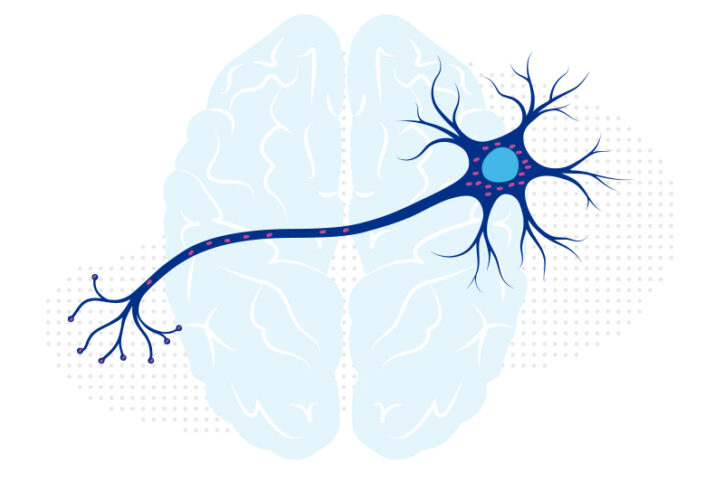
A promising target for ALS and other neurodegenerative disorders: Curbing inflammation
When cells recognize a danger, such as an infection, they activate the innate immune system. Sentinel molecules sound an alarm, recruiting immune cells to take down the threat. In 2016, Judy Lieberman, MD, PhD and her colleagues at Boston Children’s Hospital showed that a protein called gasdermin D initiates a final, decisive step: pyroptosis, a ... Read More about A promising target for ALS and other neurodegenerative disorders: Curbing inflammation

Why do so many dementia treatments fail? Questioning mouse models of tau accumulation
To date, the search for effective treatments for dementia has yielded only disappointments. Many recent drug candidates target the tau protein, which aggregates and forms tangles in patients’ brain tissue and is involved in 75 percent of all dementias. While tau-targeting drugs have looked promising in mouse models, they’ve failed in clinical trials. A recent ... Read More about Why do so many dementia treatments fail? Questioning mouse models of tau accumulation

How a leukemia hijacks the genes needed by blood stem cells
As a child, Lynn Aureli didn’t know that a particular genetic change contributed to her acute myeloid leukemia (AML) — an alteration that eventually would help explain the cancer’s lack of response to chemotherapy. Nor was she aware that her cancer had hijacked the genetic mechanism for maintaining the stem cells that form blood, like ... Read More about How a leukemia hijacks the genes needed by blood stem cells
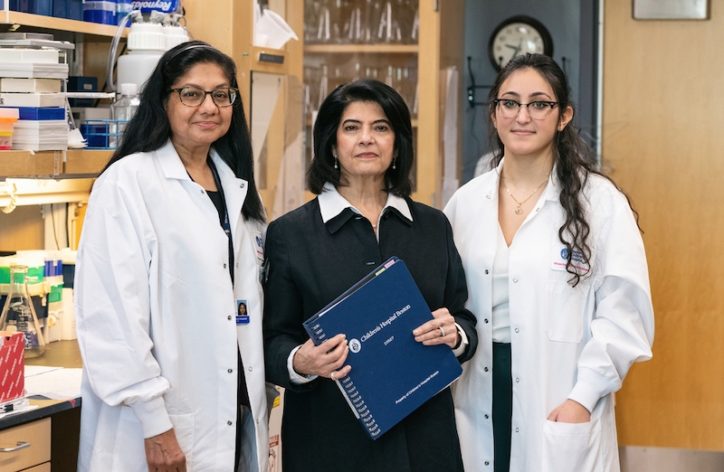
Obesity is increasing people’s risk of cancer. Why?
Obesity is now a global epidemic, and it is increasing people’s risk for cancer. The National Cancer Institute lists more than a dozen cancers that are associated with overweight and obesity. But how obesity increases cancer risk hasn’t been clear. The lab of Marsha A. Moses, PhD, at Boston Children’s Hospital, now draws a direct ... Read More about Obesity is increasing people’s risk of cancer. Why?

Genetic sequencing may open doors for newborns with hypotonia
When a baby is born with low muscle tone (hypotonia), the future is hard to predict, and families have a lot of questions. How should neonatologists care for these infants? Findings from a recent review could help provide some answers, guide appropriate interventions, and in some cases open the way to custom treatments. Diagnosing a ... Read More about Genetic sequencing may open doors for newborns with hypotonia

New insight into dietary approaches for epilepsy
Fasting has been believed since ancient times to curb seizures in epilepsy, and small patient studies in the early 1900s have revived the idea. But the reasons have remained mysterious. New research from Boston Children’s helps explain how fasting affects the brain at the molecular level. The findings could lead the way to new approaches ... Read More about New insight into dietary approaches for epilepsy