

Archive for Nancy Fliesler
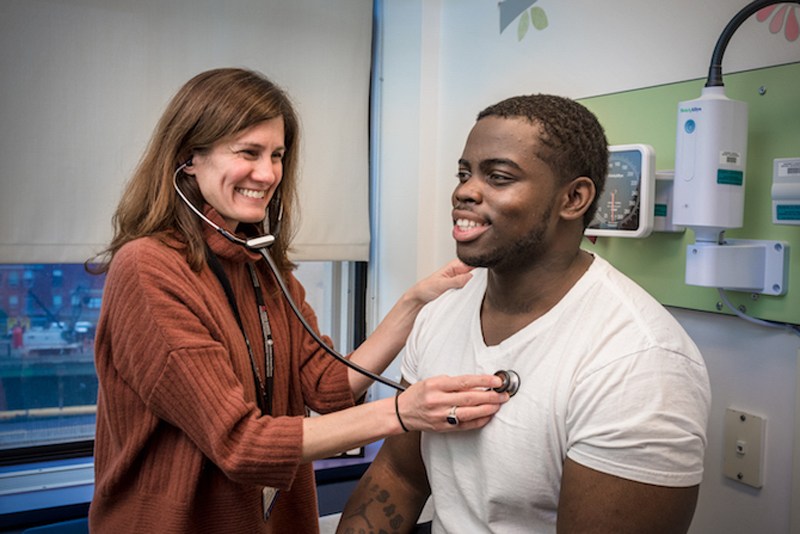
Reviving fetal hemoglobin in sickle cell disease: First patient is symptom-free
Manny Johnson of Boston, 21, previously required monthly blood transfusions to keep his severe sickle cell disease under control. After receiving a new gene therapy treatment, he’s been symptom-free for six months. Researchers at the Dana-Farber/Boston Children’s Cancer and Blood Disorders Center reported Manny’s case Saturday at the American Society of Hematology meeting in San Diego. Manny ... Read More about Reviving fetal hemoglobin in sickle cell disease: First patient is symptom-free
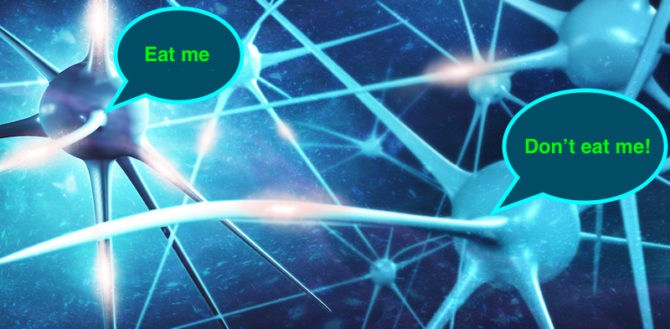
Synapse ‘protection’ signal found; helps to refine brain circuits
The developing brain is constantly forming new connections, or synapses, between nerve cells. Many connections are eventually lost, while others are strengthened. In 2012, Beth Stevens, PhD and her lab at Boston Children’s Hospital showed that microglia, immune cells that live in the brain, prune back unwanted synapses by engulfing or “eating” them. They also ... Read More about Synapse ‘protection’ signal found; helps to refine brain circuits

In zebrafish, a way to find new cancer therapies, targeting tumor promoters
The lab of Leonard Zon, MD, has long been interested in making blood stem cells in quantity for therapeutic purposes. To test for their presence in zebrafish, their go-to research model, they turned to the MYB gene, a marker of blood stem cells. To spot the cells, Joseph Mandelbaum, a PhD candidate in the lab, attached a fluorescent ... Read More about In zebrafish, a way to find new cancer therapies, targeting tumor promoters

Tracking the elusive genes that cause strabismus
Strabismus is a common condition in which the eyes do not align properly, turning inward, outward, upward or downward. Two to four percent of children have some form of it. Some cases can be treated with glasses or eye patching; other cases require eye muscle surgery. But the treatments don’t address the root causes of strabismus, which ... Read More about Tracking the elusive genes that cause strabismus
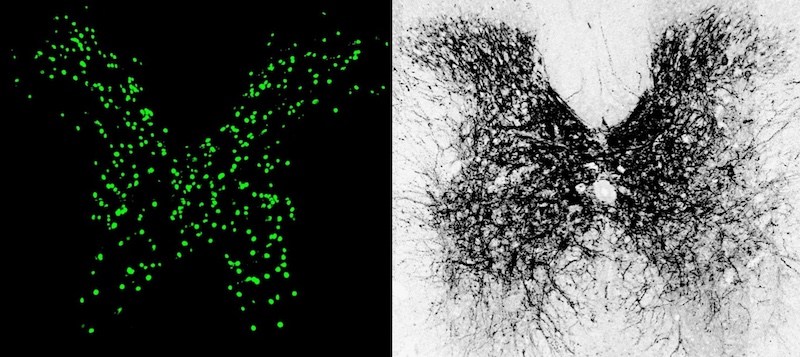
Inhibiting inhibitory neurons gets mice with spinal cord injury to walk again
Most people with spinal cord injury are paralyzed from the injury site down, even when the cord isn’t completely severed. Why don’t the spared portions of the spinal cord keep working, allowing at least some movement? A new study just published online by Cell provides insight into why these nerve pathways remain quiet. Most intriguingly, it shows that ... Read More about Inhibiting inhibitory neurons gets mice with spinal cord injury to walk again
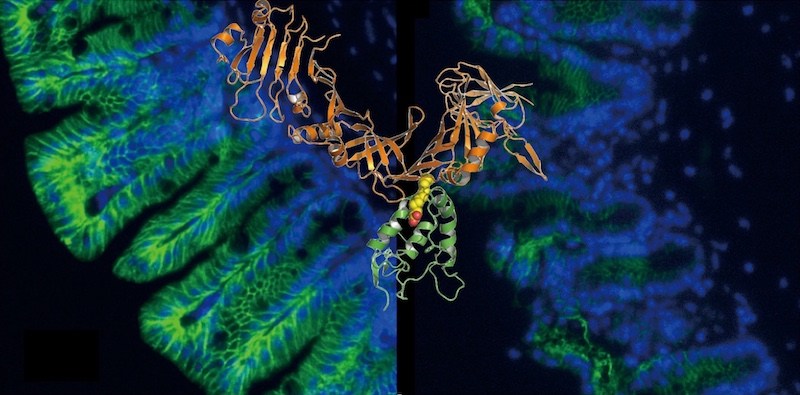
Science Seen: An intestinal toxin’s trick, a potential cancer fighter
Clostridium difficile, also called “C. diff,” causes severe gastrointestinal tract infections and tops the CDC’s list of urgent drug-resistant threats. In work published in Nature in 2016, Min Dong, PhD, and colleagues found the elusive portal that enables a key C. diff toxin, toxin B, to enter the intestines’ outer cells and break down the ... Read More about Science Seen: An intestinal toxin’s trick, a potential cancer fighter
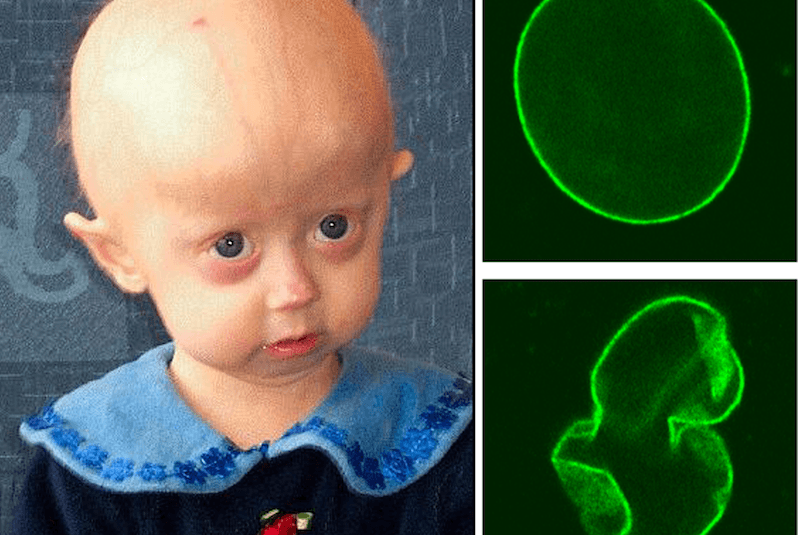
Failed cancer drug may extend life in children with progeria
Hutchinson-Gilford Progeria Syndrome, better known as progeria, is a highly rare genetic disease of premature aging. It takes a cruel toll: Children begin losing body fat and hair, develop the thin, tight skin typical of elderly people and suffer from hearing loss, bone problems, hardening of the arteries, stiff joints and failure to grow. They ... Read More about Failed cancer drug may extend life in children with progeria

Families and data scientists build insights on Phelan-McDermid syndrome
This is the third year that Jacob Works has made the trip down to Boston Children’s Hospital from Maine. With research assistant Haley Medeiros, he looks at pictures, answers questions, manipulates blocks and mimes actions like knocking on a door. His father, Travis, and another research assistant look on through a window. “At first, we ... Read More about Families and data scientists build insights on Phelan-McDermid syndrome

Could poop transplants treat peanut allergy? A clinical trial begins
Increasing evidence supports the idea that the bacteria living in our intestines early in life help shape our immune systems. Factors like cesarean birth, early antibiotics, having pets, number of siblings and formula feeding (rather than breastfeeding) may affect our microbial makeup, or microbiota, and may also affect our likelihood of developing allergies. Could giving ... Read More about Could poop transplants treat peanut allergy? A clinical trial begins
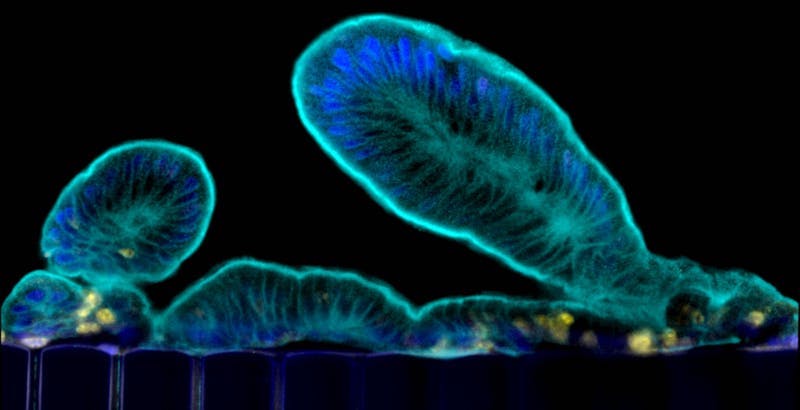
Intestine chip models gut function, in disease and in health
The small intestine is much more than a digestive organ. It’s a major home to our microbiome, it’s a key site where mucosal immunity develops and it provides a protective barrier against a variety of infections. Animal models don’t do justice to the human intestine in all its complexity. Attempts to better model human intestinal function ... Read More about Intestine chip models gut function, in disease and in health