

Archive for Nancy Fliesler
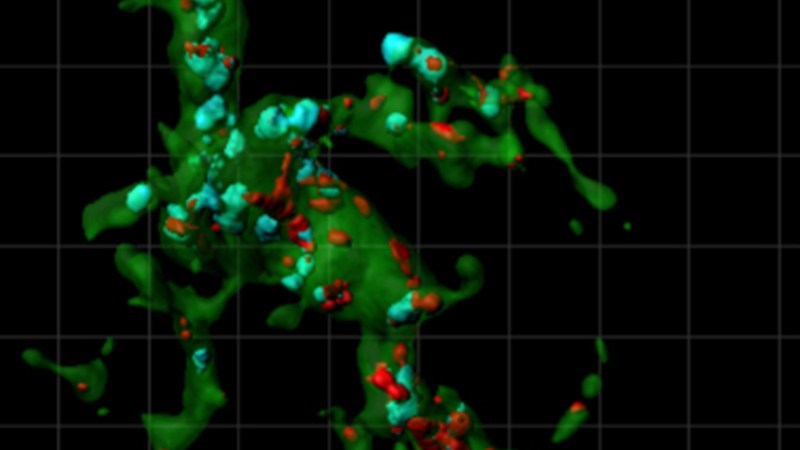
Beth Stevens: A transformative thinker in neuroscience
When 2015 MacArthur “genius” grant winner Beth Stevens, PhD, began studying the role of glia in the brain in the 1990s, these cells—“glue” from the Greek—weren’t given much thought. Traditionally, glia were thought to merely protect and support neurons, the brain’s real players. But Stevens, from the Department of Neurology and the F.M. Kirby Neurobiology ... Read More about Beth Stevens: A transformative thinker in neuroscience

Sickle cell gene therapy to boost fetal hemoglobin: A 70-year timeline of discovery
Boston Children’s Hospital is now enrolling patients age 3 to 35 in a clinical trial of gene therapy for sickle cell disease. Based on technology developed in its own labs, it differs from other gene therapy approaches by having a two-pronged action. It represses production of the mutated beta hemoglobin that causes red blood cells to ... Read More about Sickle cell gene therapy to boost fetal hemoglobin: A 70-year timeline of discovery
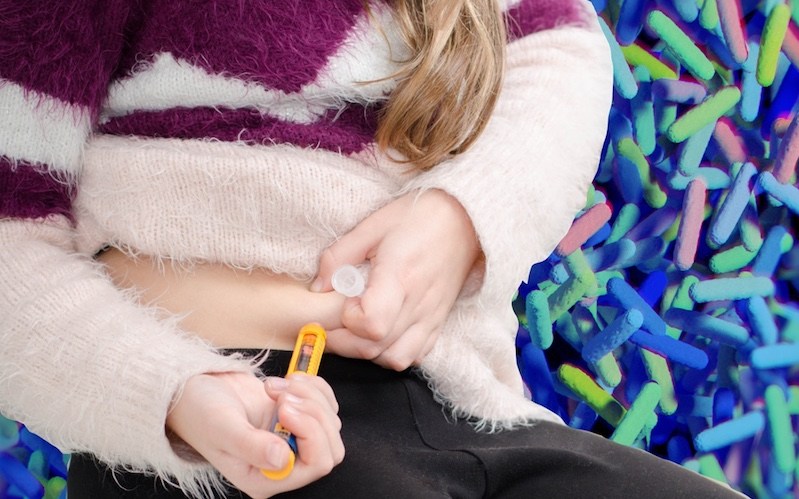
Immune gene guards against type 1 diabetes by changing the microbiome. Do early antibiotics undercut its effects?
The health of our immune system is increasingly linked with the health of our intestinal bacteria. A mouse study from Harvard Medical School now hammers this home for autoimmune disorders, in which the body attacks its own cells. It looked specifically at type 1 diabetes, in which the body destroys the cells that make insulin. ... Read More about Immune gene guards against type 1 diabetes by changing the microbiome. Do early antibiotics undercut its effects?
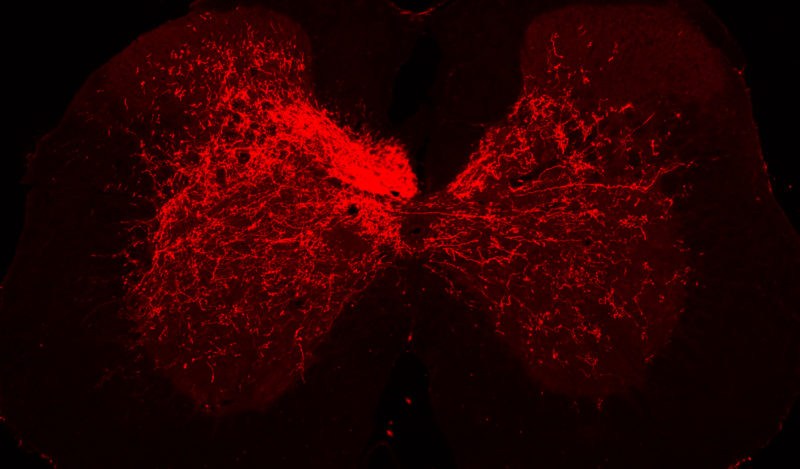
Novel therapeutic cocktail could restore fine motor skills after spinal cord injury and stroke
Neuron cells have long finger-like structures, called axons, that extend outward to conduct impulses and transmit information to other neurons and muscle fibers. After spinal cord injury or stroke, axons originating in the brain’s cortex and along the spinal cord become damaged, disrupting motor skills. Now, reported today in Neuron, a team of scientists at Boston Children’s ... Read More about Novel therapeutic cocktail could restore fine motor skills after spinal cord injury and stroke

Botulism toxin X: Time to update the textbooks, thanks to genomic sequencing
Botulism is a rare, potentially fatal paralyzing illness. It’s the reason we shouldn’t feed infants honey and why we need to take care in consuming home-canned foods: they can potentially contain nerve-damaging toxins produced by Clostridium botulinum. Botulinum toxin is classified as one of the six most dangerous potential bioterrorism agents. There are seven known ... Read More about Botulism toxin X: Time to update the textbooks, thanks to genomic sequencing
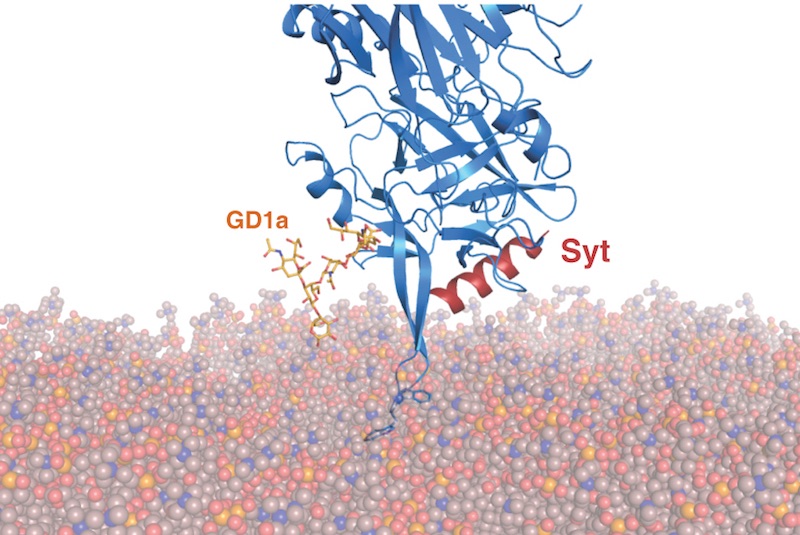
Building a better botox
Aside from reducing wrinkles, botulinum toxins — a.k.a. botox — have a variety of uses in medicine: to treat muscle overactivity in overactive bladder, to correct misalignment of the eyes in strabismus, for a movement disorder called cervical dystonia that causes neck spasms, and more. Two botulinum toxins, types A and B, are FDA-approved and ... Read More about Building a better botox
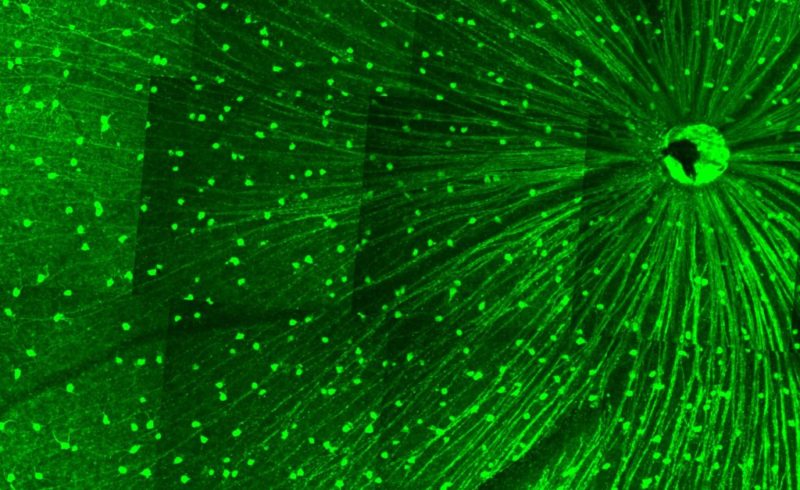
Optic nerve regeneration: One approach doesn’t fit all
Getting a damaged optic nerve to regenerate is vital to restoring vision in people blinded through nerve trauma or disease. A variety of growth-promoting factors have been shown to help the optic nerve’s retinal ganglion cells regenerate their axons, but we are still far from restoring vision. A new study on optic nerve regeneration, published ... Read More about Optic nerve regeneration: One approach doesn’t fit all
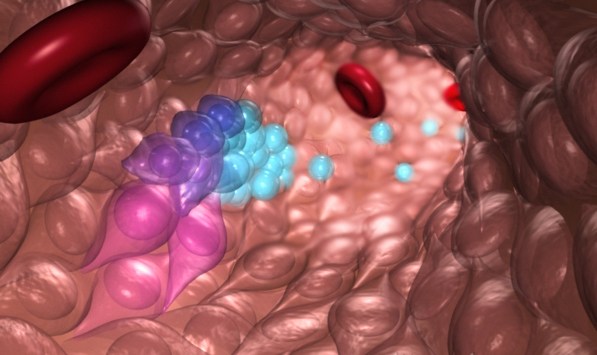
Medical milestone: Making blood stem cells in the lab
Pluripotent stem cells can make virtually every cell type in the body. But until now, one type has remained elusive: blood stem cells, the source of our entire complement of blood cells. Since human embryonic stem cells (ES cells) were isolated in 1998, scientists have tried to get them to make blood stem cells. In ... Read More about Medical milestone: Making blood stem cells in the lab
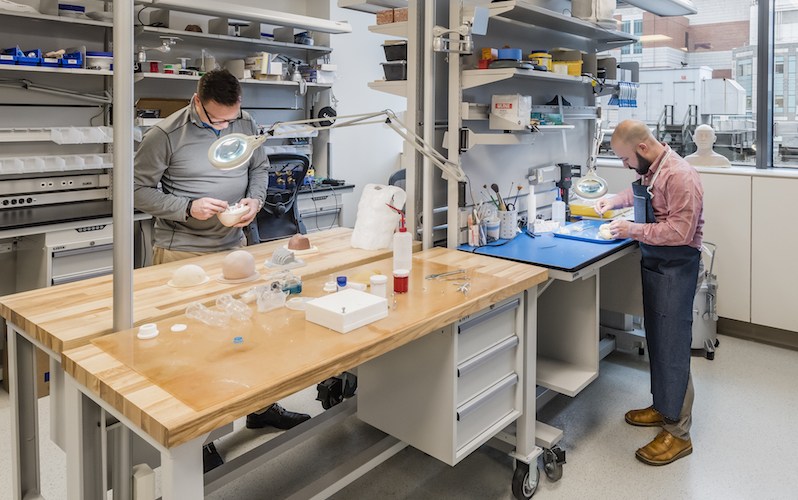
GALLERY: Custom-built ‘trainers’ help clinicians master procedures
Walking into the SIMPeds Engineering Studio, a few blocks from Boston Children’s Hospital, the first thing you notice is body parts — high-fidelity replicas of human anatomy in various sizes. Some are in a glass display case, while others are laid out in various states of assembly, from a lone finger to the complete abdominal cavity of ... Read More about GALLERY: Custom-built ‘trainers’ help clinicians master procedures

Effective vaccination of newborns: Getting closer to the dream
In many parts of the world, babies have just one chance to be vaccinated: when they’re born. Unfortunately, newborns’ young immune systems don’t respond well to most vaccines. That’s why, in the U.S., most immunizations start at two months of age. Currently, only BCG, polio vaccine and hepatitis B vaccines work in newborns, and the ... Read More about Effective vaccination of newborns: Getting closer to the dream