

Archive for Nancy Fliesler
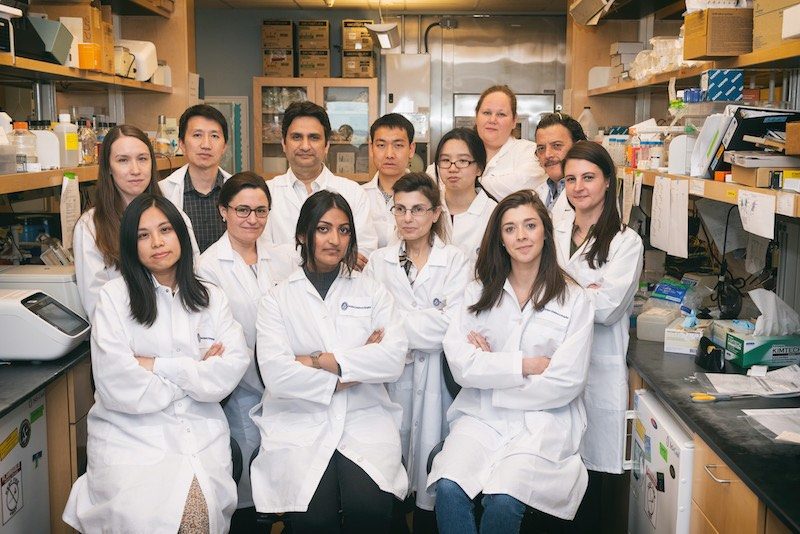
Solving genetic mysteries – in the NICU and beyond
A growing number of children with suspected genetic disorders are having their complete exomes sequenced, since it’s now often faster and cheaper to sequence all the protein-coding genes at once rather than test limited groups of genes. But even after whole-exome sequencing, 70 to 75 percent of children come away without a genetic explanation for ... Read More about Solving genetic mysteries – in the NICU and beyond

How scratching may prime children with eczema for food allergy and anaphylaxis
Eczema, a chronic itchy inflammatory skin disease, affects about 15 percent of U.S. children. It’s a strong risk factor for food allergies — more than half of children with eczema are allergic to one or more foods — and most people with food allergy have eczema. But the connection between the two hasn’t been clear. New ... Read More about How scratching may prime children with eczema for food allergy and anaphylaxis

‘Nanobodies’ from alpacas could help bring CAR T-cell therapy to solid tumors
In 1989, two undergraduate students at the Free University of Brussels were asked to test frozen blood serum from camels, and stumbled on a previously unknown kind of antibody. It was a miniaturized version of a human antibody, made up only of two heavy protein chains, rather than two light and two heavy chains. As ... Read More about ‘Nanobodies’ from alpacas could help bring CAR T-cell therapy to solid tumors
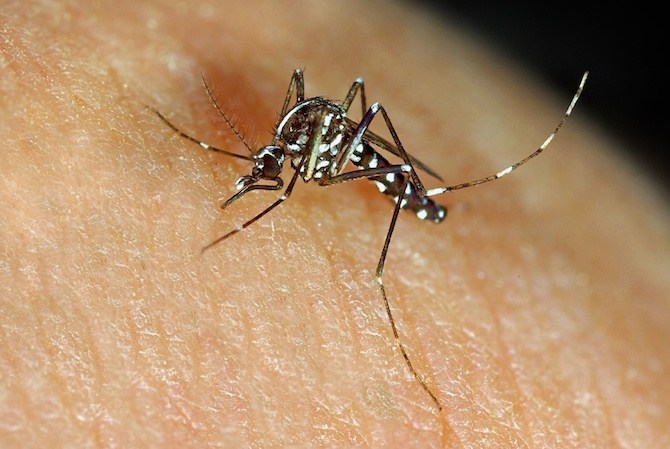
The threat from mosquito-borne diseases: Forecasting mosquitoes’ global spread
Outbreaks of mosquito-borne illnesses like yellow fever, dengue, Zika and chikungunya are rising around the world. Climate change has created conditions favorable to mosquitoes’ spread, but so have human travel and migration and accelerating urbanization, creating new mini-habitats for mosquitoes. In Nature Microbiology yesterday, a large group of international collaborators combined these factors into prediction models that ... Read More about The threat from mosquito-borne diseases: Forecasting mosquitoes’ global spread
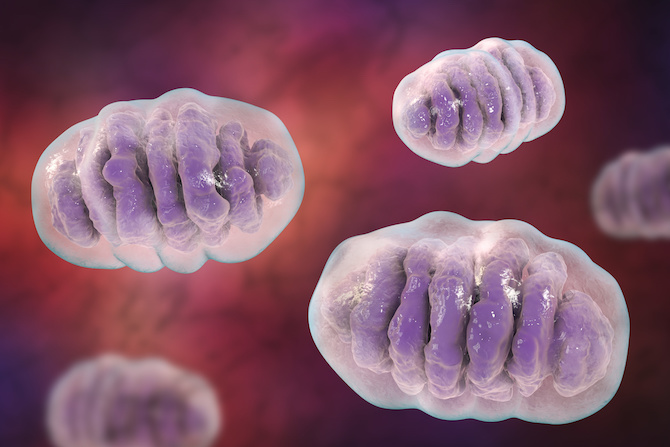
Eavesdropping on mitochondria, tissue by tissue
Mitochondria are essential to life: they produce energy, synthesize building blocks critical to cell function and help regulate cellular activity, including programmed cell death. Mitochondrial diseases can cause severe metabolic disorders in children and dysfunctional mitochondria are thought to play a role in cancer, diabetes, heart attack, stroke, Parkinson’s disease and more. A new research ... Read More about Eavesdropping on mitochondria, tissue by tissue

Blood stem cell transplants from any donor, without toxicity?
Many blood disorders, immune disorders and metabolic disorders can be cured with a transplant of hematopoietic (blood-forming) stem cells, also known as bone marrow transplant. But patients must first receive high-dose, whole-body chemotherapy and/or radiation to deplete their own defective stem cells, providing space for the donor cells to engraft. These “conditioning” regimens are highly ... Read More about Blood stem cell transplants from any donor, without toxicity?

Dually-targeted liposomes curb triple-negative breast cancer, metastases in mice
Some 15 to 20 percent of all breast cancers are triple-negative, meaning they lack receptors for estrogen, progesterone and human epidermal growth factor type 2. They have the worst prognosis of all breast cancers and very limited treatment options. Finding a treatment that distinguishes between cancer cells and normal cells has been especially challenging. A ... Read More about Dually-targeted liposomes curb triple-negative breast cancer, metastases in mice

How the antidepressant ketamine rapidly awakens the brain, and why its effects vary more in women
In small doses, the anesthetic ketamine is a mildly hallucinogenic party drug known as “Special K.” In even smaller doses, ketamine relieves depression — abruptly and sometimes dramatically, steering some people away from suicidal thoughts. Studies indicate that ketamine works in 60 to 70 percent of people not helped by slower-acting SSRIs, the usual drugs ... Read More about How the antidepressant ketamine rapidly awakens the brain, and why its effects vary more in women
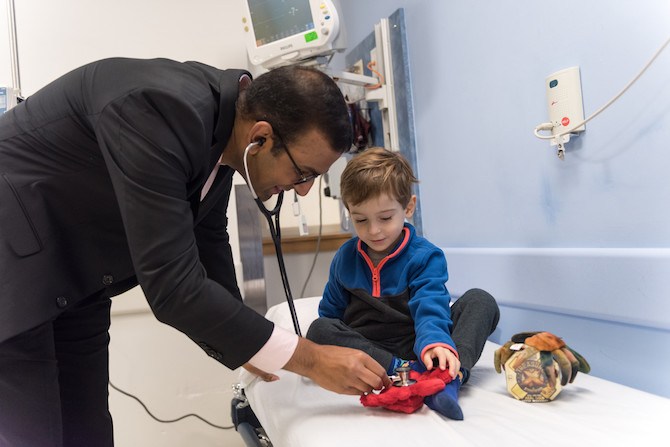
After 80 years, genetic causes of Diamond-Blackfan anemia come into view
In 1938, Louis K. Diamond, MD, and Kenneth Blackfan, MD, at Boston Children’s Hospital described a severe congenital anemia that they termed “hypoplastic” (literally, “underdeveloped”) because of the bone marrow’s inability to produce mature, functioning red blood cells. Eighty years later, the multiple genetic origins of this highly rare disease, now known as Diamond-Blackfan anemia, or ... Read More about After 80 years, genetic causes of Diamond-Blackfan anemia come into view
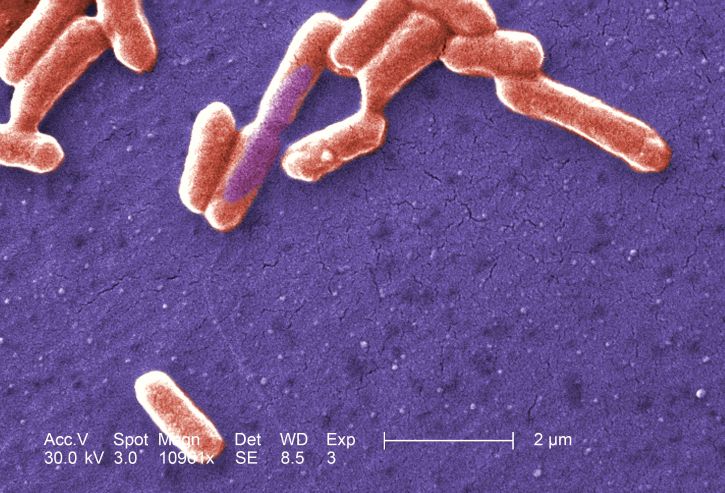
New angles for blocking Shiga and ricin toxins, and new light on an iconic biological process
Min Dong, PhD, and his lab are world experts in toxins and how to combat them. They’ve figured out how Clostridium difficile’s most potent toxin gets into cells and zeroed in on the first new botulinum toxin identified since 1969. Now, they’ve set their sights on Shiga and ricin toxins, and not only identified new potential lines of defense, ... Read More about New angles for blocking Shiga and ricin toxins, and new light on an iconic biological process