

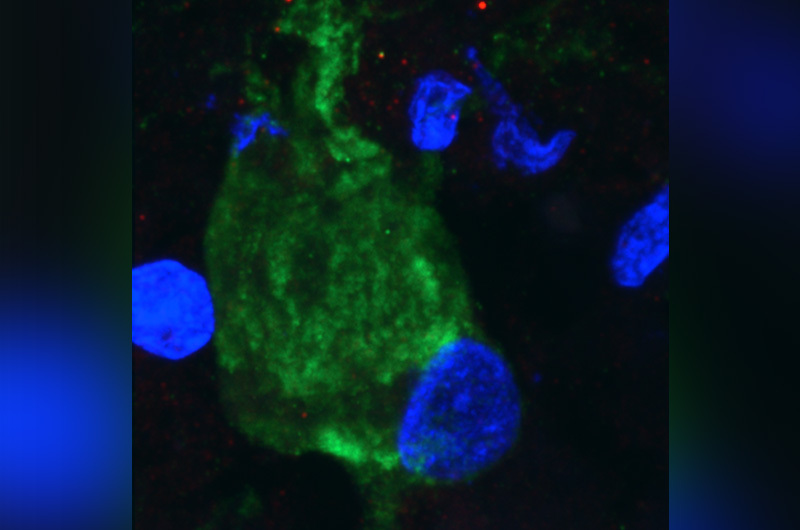
New drug pathway linked with tuberous sclerosis
Tuberous sclerosis complex (TSC) is a neurological disorder causing non-cancerous tumors, called cortical tubers, to grow throughout the brain and body, as well as other conditions like epilepsy and autism. While medications are used to treat some of the manifestations of the disease, safe and more effective treatments targeting disease at a fundamental level are ... Read More about New drug pathway linked with tuberous sclerosis

Boston Children’s Hospital leads national study on pediatric COVID-19 and MIS-C
Why are children largely spared from COVID-19 — and why do a few become extremely sick? To find out, Boston Children’s Hospital launched a national study in April to perform real-time surveillance at more than 35 U.S. children’s hospitals. In May, when multi-system inflammatory syndrome in children (MIS-C) began appearing, that still-mysterious condition was added ... Read More about Boston Children’s Hospital leads national study on pediatric COVID-19 and MIS-C

Getting to a COVID-19 vaccine as fast and as safely as possible
The novel coronavirus is not expected to disappear anytime soon. With physical distancing, virus testing, contact tracing, and potentially new therapeutics, we may be able to keep it partially at bay. But many eyes are looking toward a COVID-19 vaccine, and scientists are feeling the urgency. Key takeaways. Work is moving quickly, but to show ... Read More about Getting to a COVID-19 vaccine as fast and as safely as possible
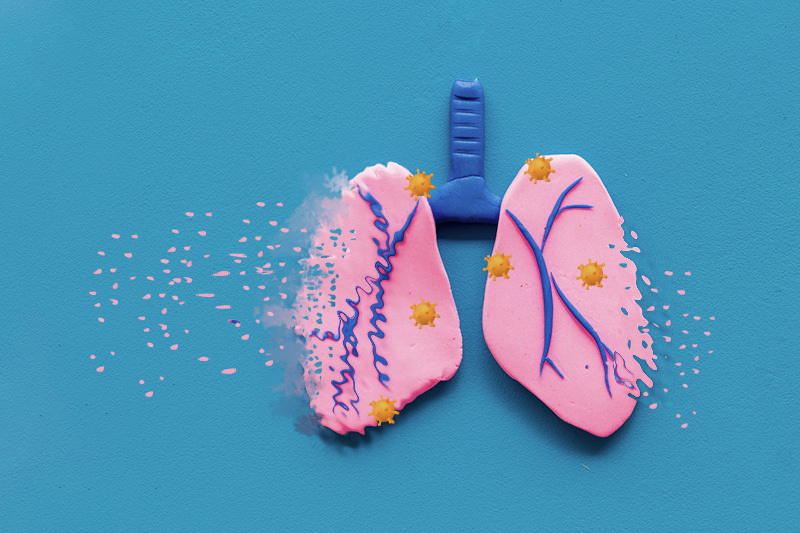
Type III interferon in COVID-19: Protective or harmful?
Our immune system makes interferons and other cytokines to help us fight viruses. But in COVID-19, we’ve learned that they can also contribute to damaging, potentially life-threatening lung inflammation. New work published yesterday in the journal Science helps tease out the good from the bad for one interferon of interest: type III. Key takeaways. At ... Read More about Type III interferon in COVID-19: Protective or harmful?
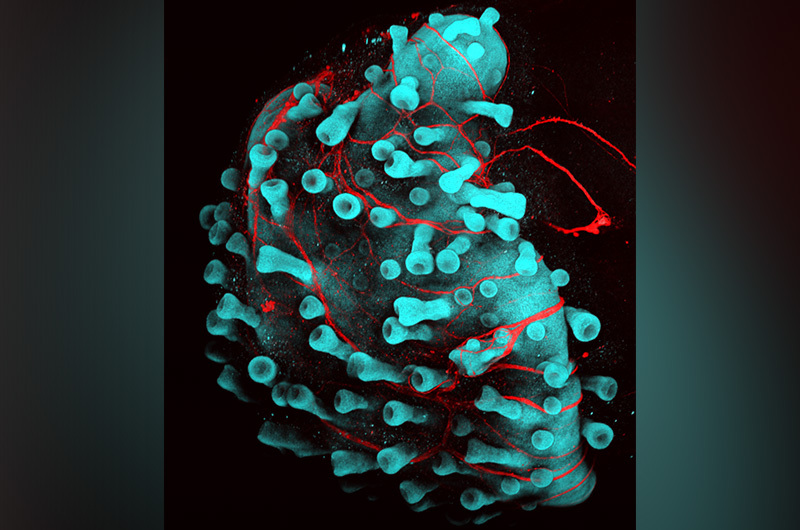
Creating hairy human skin: Not as easy as you think
Key takeaways· Scientists have created the first cultured human skin capable of growing hair embedded with fat and nerve cells. · Potential applications include burn treatments, and testing medications and cosmetics· The skin organoid system developed is a proof of concept for creating other human organoids, such as the inner ear. For more than 40 ... Read More about Creating hairy human skin: Not as easy as you think
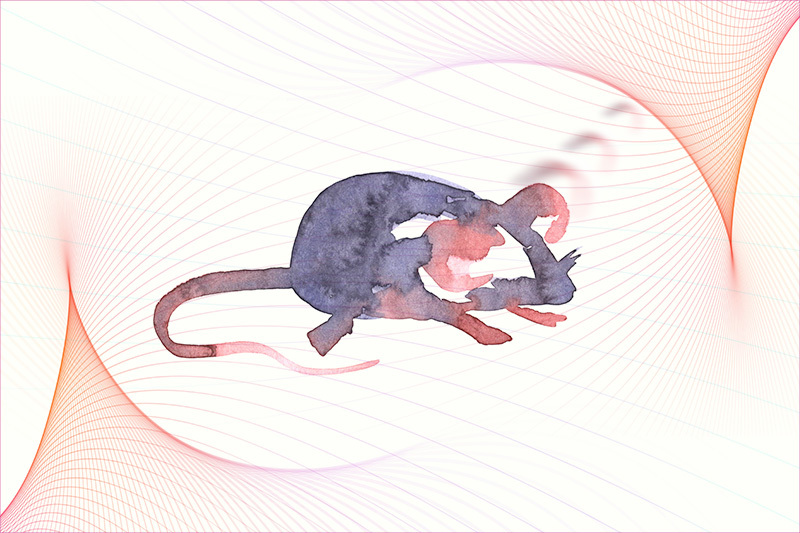
Gene therapy with a new base editing technique restores hearing in mice
Using a new genetic engineering technique, known as base editing, researchers from Boston Children’s Hospital and the Broad Institute of MIT and Harvard, have restored hearing in mice with a known recessive genetic mutation. Key takeaways· This is the first example of repairing a recessive gene mutation.· Repairing a single mutation in the Tmc1 gene restored partial hearing in ... Read More about Gene therapy with a new base editing technique restores hearing in mice
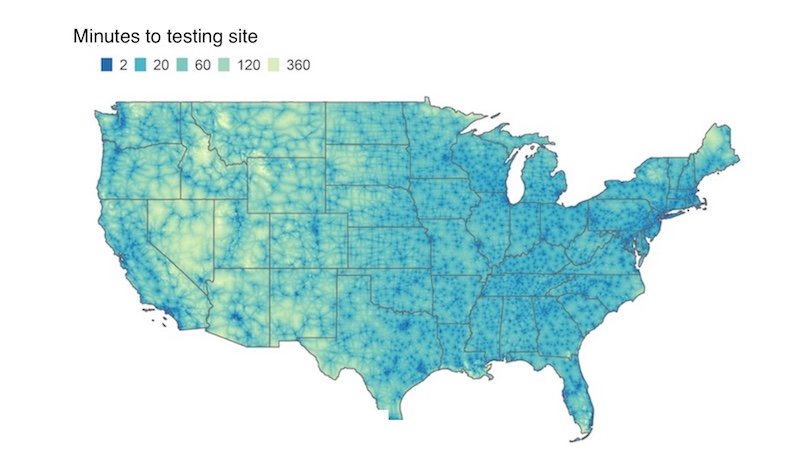
Disparities in travel time to COVID-19 testing sites may bias case estimates
As the U.S. economy begins to reopen after two months of lockdown, states and counties are using local data on COVID-19 incidence to inform their plans. But a new analysis highlights an inconvenient truth. Geographic access to COVID-19 testing sites is as uneven as access to health care overall, meaning that local estimates of COVID-19 ... Read More about Disparities in travel time to COVID-19 testing sites may bias case estimates
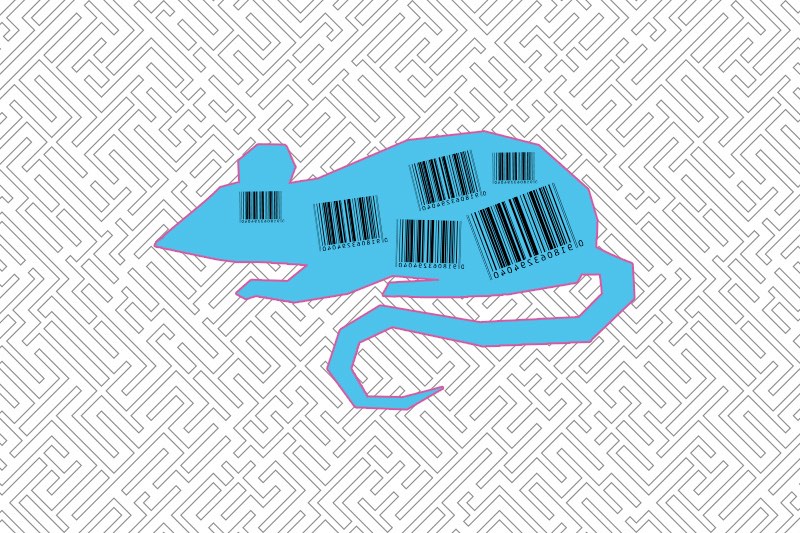
Tracking an organism’s development, cell by cell
A new mouse model allows scientists to track every cell in the body — from the embryo stage until adulthood. The system is the first of its kind and should yield a greater understanding of development, aging, and disease. Scientists described it last week in the journal Cell. “The dream of many developmental biologists for ... Read More about Tracking an organism’s development, cell by cell

A snapshot of COVID-19 in children admitted to the PICU
Experts have recently warned of cases of serious inflammatory illness in children possibly related to COVID-19. But a report in JAMA Pediatrics this week reinforces the fact that serious complications have been rare in children with the new coronavirus, especially if they have no underlying health conditions. The new study represents the first cross-sectional, multi-hospital ... Read More about A snapshot of COVID-19 in children admitted to the PICU
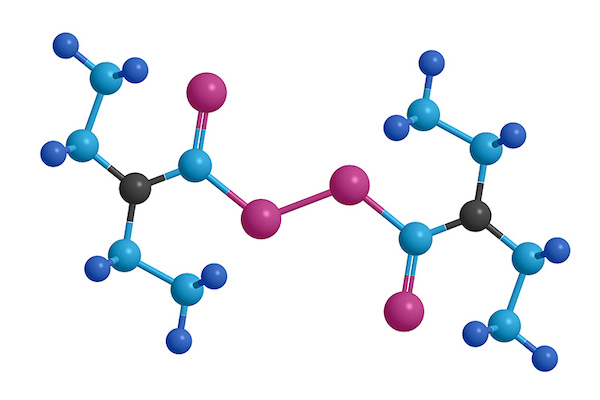
Disulfiram inhibits inflammatory gatekeeper protein: Could it be helpful in COVID-19?
Inflammation is the alarm system by which cells first respond to potential danger. But in excess, inflammation can be deadly. In new research from the Program in Cellular and Molecular Medicine (PCCM) at Boston Children’s Hospital, scientists discovered that disulfiram, an FDA-approved drug commonly used for treating alcoholism, blocks a key gatekeeper protein involved in ... Read More about Disulfiram inhibits inflammatory gatekeeper protein: Could it be helpful in COVID-19?