

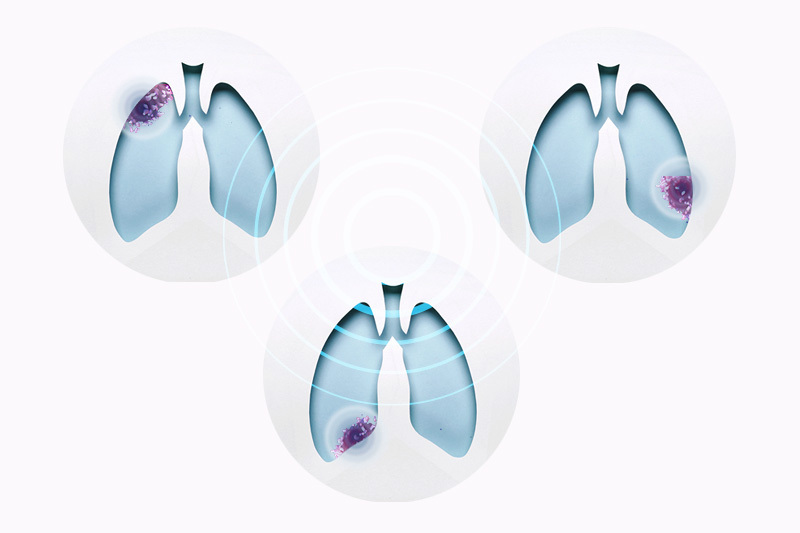
Lung ‘organoids’ capture early-stage lung cancer; could help test treatments
Lung cancer, the leading cancer killer in the U.S., is often missed in its earlier stages. And while recent imaging advances offer earlier detection, early-stage lung cancers still have no targeted treatments. Key takeaways Mini “organoids” made from lung cells offer a rapid platform for tracking early-stage lung cancers and for testing possible treatments. RNA ... Read More about Lung ‘organoids’ capture early-stage lung cancer; could help test treatments
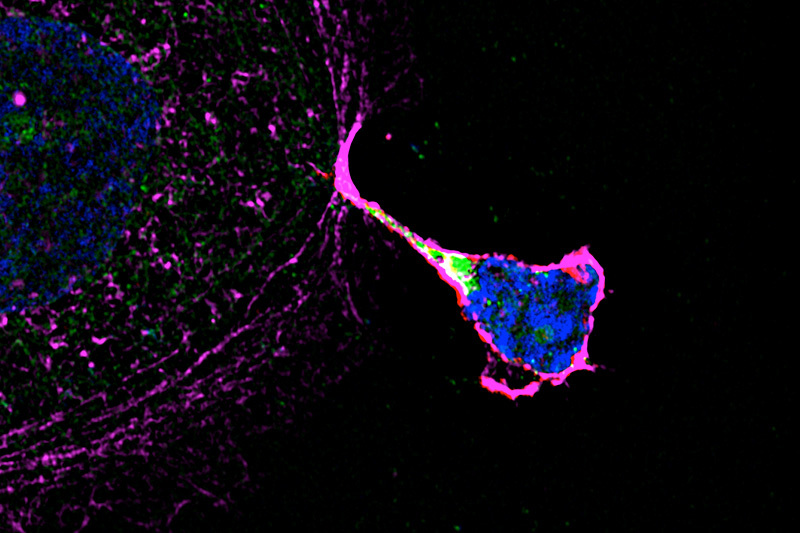
Natural killer cells: Protect the placenta cell but kill the infection
Infections that reach the placenta can lead to spontaneous abortions, intrauterine growth restriction, congenital abnormalities, and premature births. New research from the laboratory of Judy Lieberman, MD, PhD, and colleagues at Harvard University shows that a group of cells near the site where the placenta attaches to the uterine wall plays an essential role in ... Read More about Natural killer cells: Protect the placenta cell but kill the infection
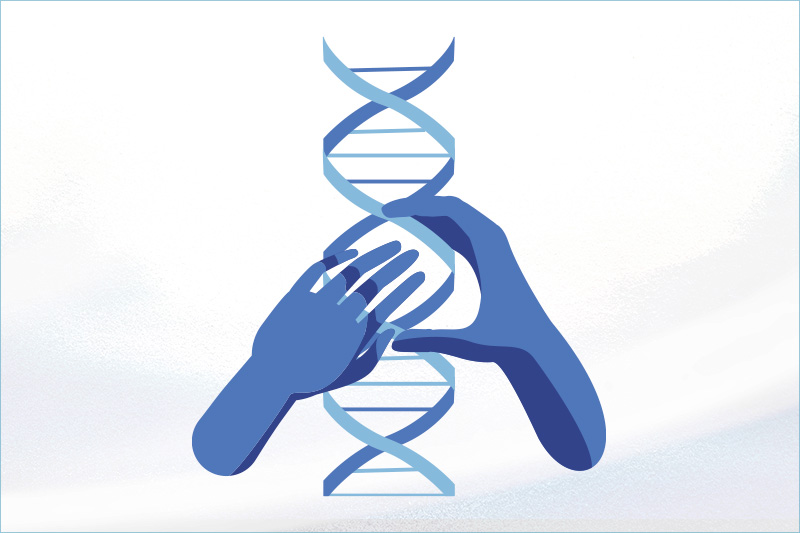
Gene therapy’s future may be all about the bases
Gene therapy offers the possibility of a cure for many genetic disorders, especially those involving a single gene. The first kind of gene therapy used a virus to carry a corrected copy of the gene into people’s cells. When the early viral vectors used in the 1990s were found to have off-target effects, sometimes even ... Read More about Gene therapy’s future may be all about the bases

Two drugs join forces against COVID-19
Two drugs, including one developed by a researcher at Boston Children’s Hospital, inhibit the SARS-CoV-2 virus that causes COVID-19 in tests of human cells. Both drugs, vacuolin-1 and apilimod, originally developed years ago, target a large enzyme called PIKfyve kinase. Prior to this study, little was known about this enzyme’s role in COVID-19 infection. Details ... Read More about Two drugs join forces against COVID-19
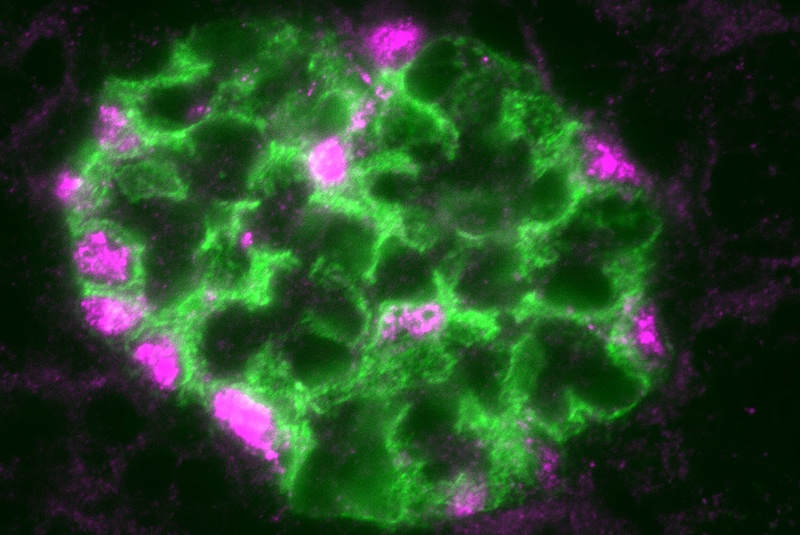
A master regulator of kidney health?
End-stage kidney disease often begins with injury to podocytes. These highly specialized cells are a critical part of the glomeruli, clusters of capillaries that serve as the filtration units in our kidneys’ tightly-packed nephrons. As their name suggests, podocytes extend tiny foot processes to intermingle with the capillaries and filter the blood, maintaining the proper ... Read More about A master regulator of kidney health?

Nurses, COVID-19, and PTSD: When it hurts to care
When Boston Children’s Michelle Schuster, MSN, RN, CPHON, inpatient oncology/hematology staff nurse and Patricia Dwyer, PhD, RN, CNOR, nurse scientist, set out to study post-traumatic stress disorder (PTSD) in nurses, they weren’t thinking about COVID-19. The two had been studying PTSD in nurses for almost two years when the pandemic hit. Key takeaways· PTSD is ... Read More about Nurses, COVID-19, and PTSD: When it hurts to care
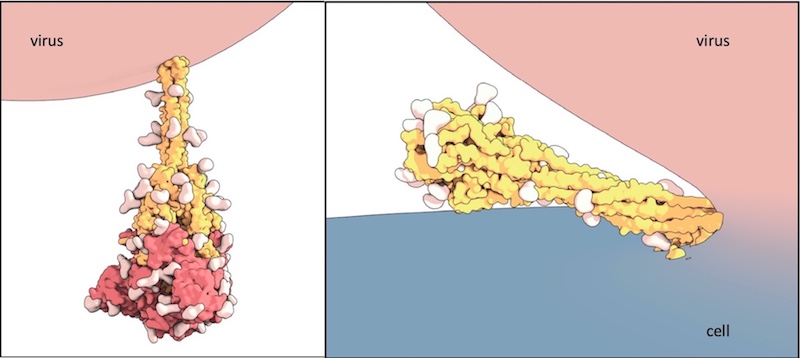
Capturing SARS-CoV-2’s shape-shifting spike protein
The rod-like spike proteins on the surface of SARS CoV-2 are the tip of the spear of the COVID-19 pandemic. The spikes bind to human cells via the ACE2 receptor and then dramatically change shape. They jack-knife, folding in on themselves to fuse their own membrane with the membrane of our cells. And that opens ... Read More about Capturing SARS-CoV-2’s shape-shifting spike protein
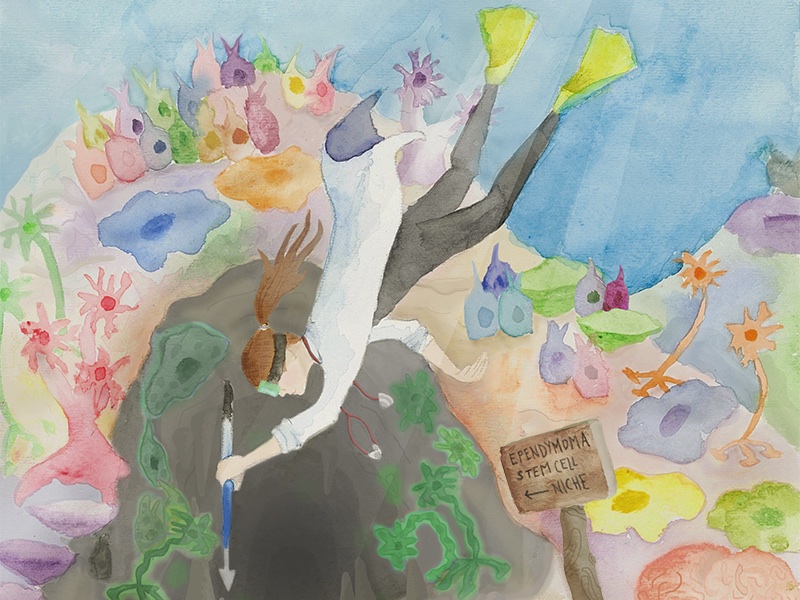
Diving into the dark side of ependymoma
Mariella Filbin, MD, PhD, a neuro-oncologist at Dana-Farber/Boston Children’s Cancer and Blood Disorders Center, is driven by a desire to find new therapies for some of the hardest-to-treat pediatric brain tumors. At the core of her work is an effort to uncover the events that shape tumor development. Key takeaways:· Aggressive ependymoma tumors are stuck ... Read More about Diving into the dark side of ependymoma

Internet searches provide real-time estimate of Lyme disease risk
Lyme disease season is well underway. How much of a risk do we face for this tick-borne illness? A new method dubbed Lymelight, developed by researchers at Boston Children’s Hospital and Google, can accurately estimate Lyme disease risk in real time, down to the county level. Historically, estimates of Lyme disease have been based on ... Read More about Internet searches provide real-time estimate of Lyme disease risk

More details on MIS-C, the post-COVID multi-system inflammatory syndrome in children
Boston Children’s Hospital and collaborators launched the national Overcoming COVID-19 study in April to track children, teens, and young adults hospitalized with COVID-19 across the U.S. In yesterday’s New England Journal of Medicine, investigators provides a fuller picture of the still-mysterious, life-threatening multi-system inflammatory syndrome in children (MIS-C). Key takeaways· The largest case series of ... Read More about More details on MIS-C, the post-COVID multi-system inflammatory syndrome in children