

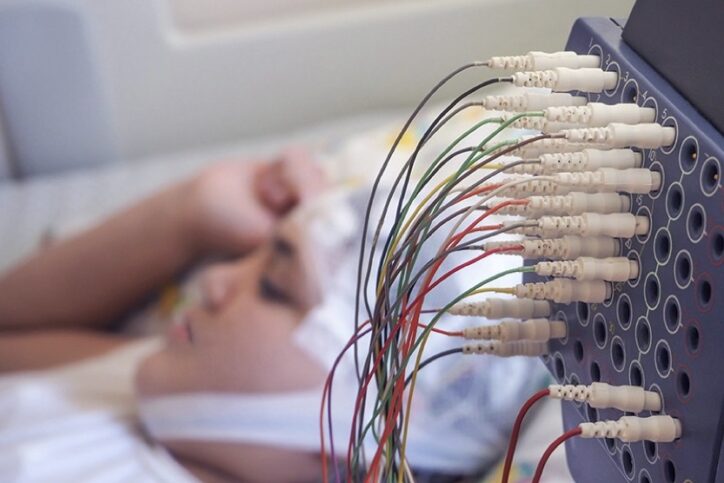
Chasing Rett syndrome biomarkers: Could overnight EEG studies improve care?
In Rett syndrome, a genetic condition affecting girls almost exclusively, mutations in the MECP2 gene cause a regression of language and motor skills starting at 12 to 18 months of age. Children then usually stabilize, but how Rett will ultimately affect them is hard to predict. Some girls develop epilepsy; others have no seizures at ... Read More about Chasing Rett syndrome biomarkers: Could overnight EEG studies improve care?
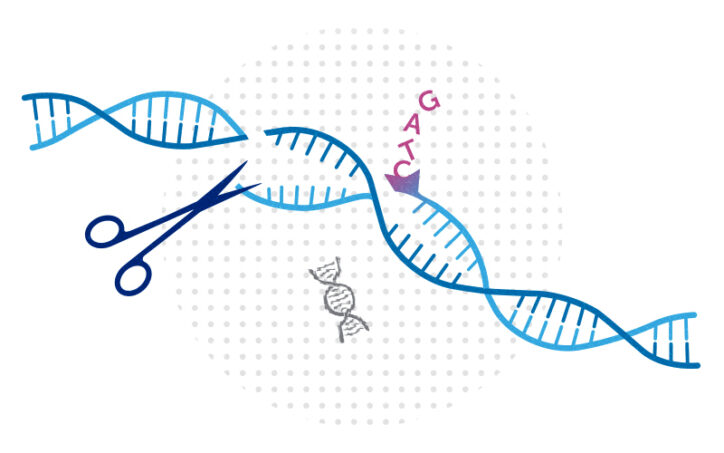
A potential danger of CRISPR gene editing — and why base editing may be safer
Gene therapy using CRISPR/Cas9 gene editing is currently in clinical trials around the world for a variety of diseases, including various cancers, blood disorders, and metabolic disorders. It works by making cuts in DNA — both strands of the double helix — to insert or remove genes. But CRISPR carries a potential, previously undiscovered danger, ... Read More about A potential danger of CRISPR gene editing — and why base editing may be safer
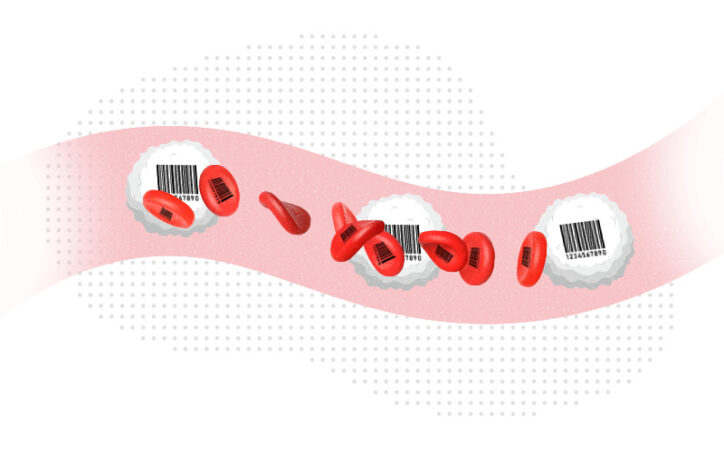
New work transforms our knowledge of how blood is formed
The origins of our blood may not be quite what we thought. In groundbreaking research, scientists in the Stem Cell Program at Boston Children’s Hospital used cellular “barcoding” techniques in mice to track the development of blood in real time — and found that blood cells originate not from one type of mother cell, but ... Read More about New work transforms our knowledge of how blood is formed

Genomic ‘fingerprinting’ yields better treatments for pediatric solid cancers
Genomic profiling is increasingly used for solid tumors in adults and for pediatric brain tumors and blood cancers, allowing treatments to be matched to patients’ mutations. But for children with solid tumors, genomic fingerprinting has been elusive, because these cancers are so varied and individually so rare. Therapies therefore remain non-specific: chemotherapy, surgery, and/or radiation. ... Read More about Genomic ‘fingerprinting’ yields better treatments for pediatric solid cancers

Pregnant mothers who get COVID-19 vaccines are also protecting their babies
Recent studies have shown that COVID-19 vaccination is safe for expectant mothers and can protect them against infection, severe illness, and death from COVID-19. We also know that mothers vaccinated during pregnancy pass coronavirus antibodies to their babies. The latest research — drawing on 30 children’s hospitals in 22 states — now confirms that vaccinating ... Read More about Pregnant mothers who get COVID-19 vaccines are also protecting their babies

Exploiting a vulnerability in an aggressive leukemia
Survival has improved greatly in children with acute lymphocytic leukemia (ALL). But a certain form of ALL that occurs mostly in babies is still very lethal, with a survival rate below 50 percent: B-cell acute lymphoblastic leukemia with rearrangements of the mixed lineage leukemia gene, or MLL B-ALL. “Something about the biology of this type ... Read More about Exploiting a vulnerability in an aggressive leukemia

Previous COVID-19 or MIS-C does not protect kids from Omicron
You would think that having had COVID-19 once, you’d have antibodies that would protect you against repeat infections. But studies of adults have shown that Omicron doesn’t go by that logic. A new study, led by Dr. Adrienne Randolph of Boston Children’s Hospital and Dr. Surender Khurana of the Food and Drug Administration, confirms that ... Read More about Previous COVID-19 or MIS-C does not protect kids from Omicron
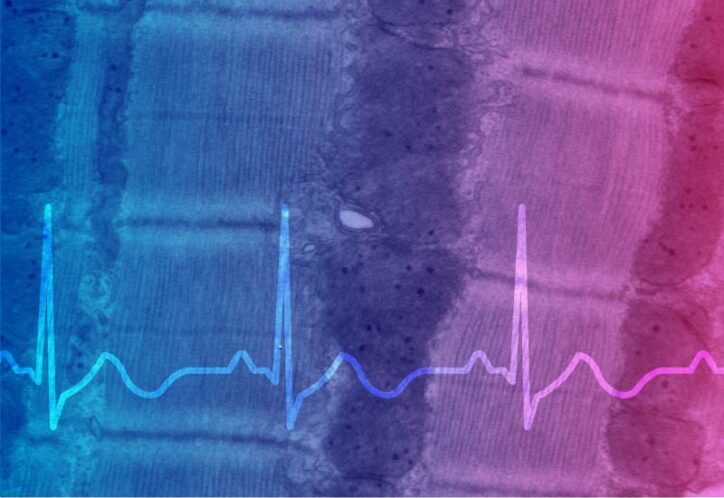
Getting to the heart of heart muscle function
Every heart muscle cell, or cardiomyocyte, is studded with tiny, intricate structures called dyads. The dyads are like orchestra conductors: They coordinate incoming electrical signals with release of calcium in the muscle, triggering contraction. When dyads work properly, the different segments of heart muscle contract in unison; when they don’t, heartbeats may be too weak ... Read More about Getting to the heart of heart muscle function
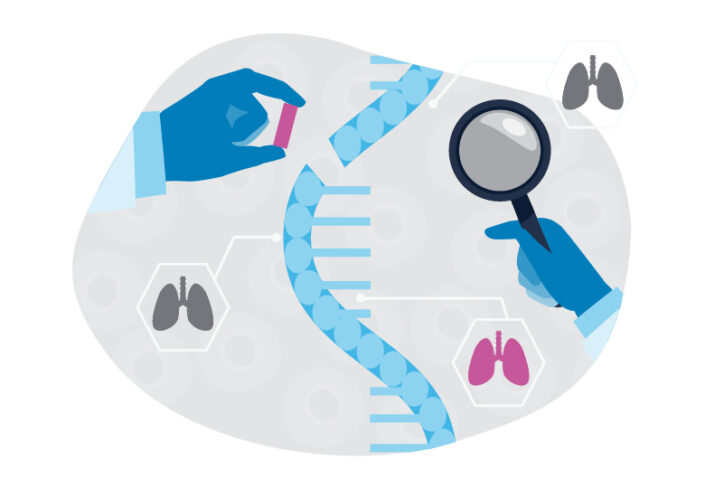
Cell therapy for lung disease? Proof-of-concept study shows promise
Many serious pulmonary diseases, including genetic lung diseases, lack an effective treatment other than the most extreme: lung transplant. A team at Boston Children’s Hospital envisions a much better option: cell therapy, using lung stem cells created from patients’ own cells to repair or replace damaged lung tissue. For patients with genetic lung diseases, the ... Read More about Cell therapy for lung disease? Proof-of-concept study shows promise
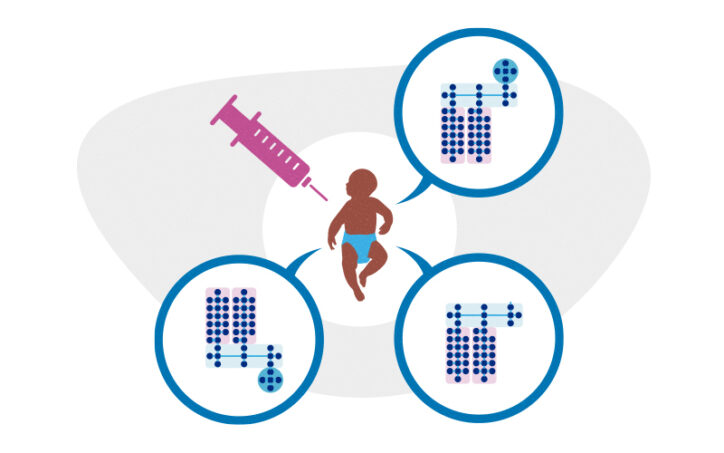
Old vaccine, new tricks? Unlocking the BCG vaccine’s potential
Could a century-old vaccine offer clues for designing the vaccines of tomorrow? Ofer Levy, MD, PhD, director of the Precision Vaccines Program at Boston Children’s Hospital, wants to find out. One of the world’s oldest and most widely used vaccines, the Bacille Calmette-Guérin (BCG) tuberculosis vaccine may at first seem like an unlikely source of ... Read More about Old vaccine, new tricks? Unlocking the BCG vaccine’s potential