

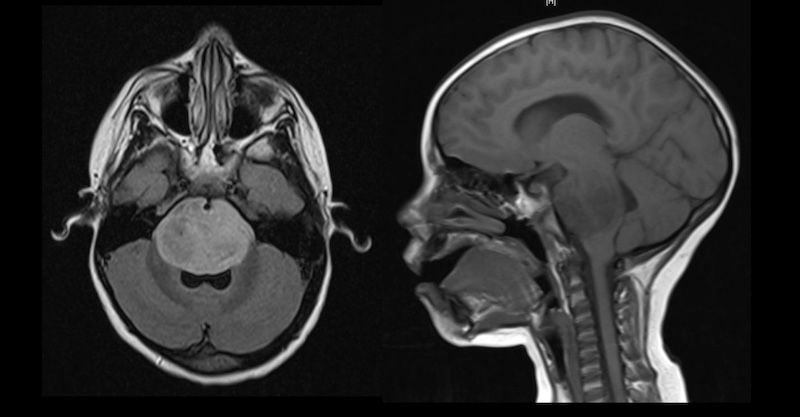
Guidance for assessing treatment response in pediatric brain tumors
Assessing patients’ response to cancer therapy can be challenging, especially in neuro-oncology. Generally, we assess treatment response by a change in tumor size on MRI scan. However, with brain tumors, changes on MRI scan can be difficult to interpret. A decrease in tumor size may indicate treatment is having an effect; however, a drug can ... Read More about Guidance for assessing treatment response in pediatric brain tumors

Caring for pediatric ADHD patients through telehealth
Key takeaways· In the current health crisis, online visits should be used to monitor current patients and make new diagnoses.· Providers should guide families to resources for at-home behavioral modification techniques.· Telehealth office visits are likely to remain after the current crisis subsides. It comes as no surprise to the pediatric neurology community at Boston ... Read More about Caring for pediatric ADHD patients through telehealth

Racism and children’s health: What providers need to know
It’s easy to feel outdone by racism, especially as the country cycles through stages of tragedy, awareness, and inertia. But with renewed attention to violence against Black people in recent weeks, many health care providers are asking themselves hard questions: Can we create a better world for the next generation?Can the call for racial justice lead ... Read More about Racism and children’s health: What providers need to know

Treating inflammation in MIS-C: An evidence-based approach
Multisystem inflammatory syndrome in children (MIS-C) is a complex, post-COVID-19 spectrum of illness that has affected a small number of children and adolescents. Symptoms can include features of Kawasaki disease, cardiac dysfunction, hypotension and toxic-shock-like signs, abnormal blood coagulation, and prominent GI symptoms. At its core is a hyperinflammatory response that we do not yet ... Read More about Treating inflammation in MIS-C: An evidence-based approach
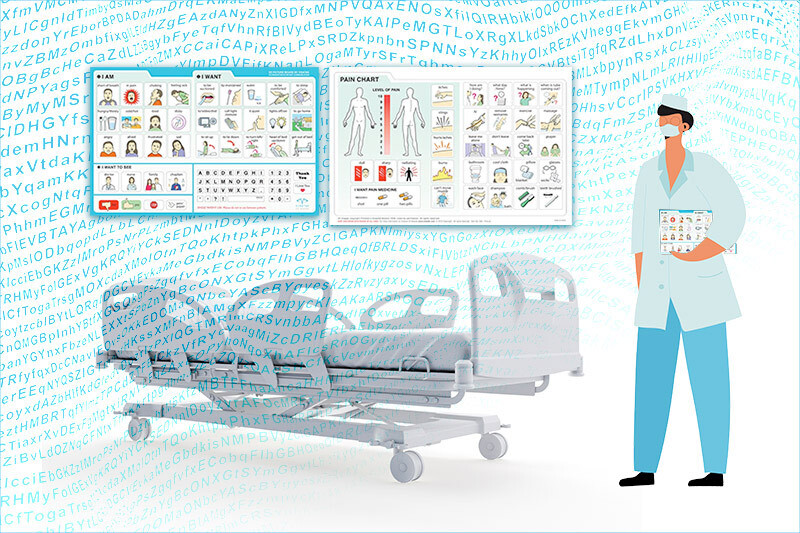
Using augmentative communication to support COVID-19 patients
People with COVID-19 on a ventilator are unable to speak to express their needs, which can complicate their care and lead to poorer outcomes. The Augmentative Communication Program at Boston Children’s Hospital is supporting hospitals around the nation and around the world by helping them communicate with these critically ill patients in the hopes of improving their ... Read More about Using augmentative communication to support COVID-19 patients
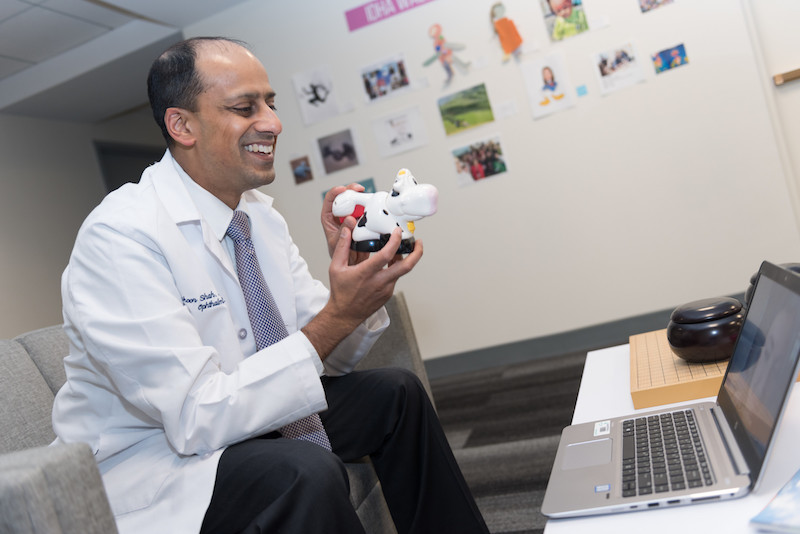
Put your best face forward on Zoom calls: Tips from our pros
If you’re like most health care providers, your daily calendar has abruptly shifted from in-person meetings, visits, and consults to a virtual reality of Zoom calls and telemedicine visits. Whether you’re meeting with patients, presenting to colleagues at an online conference, or creating your own videos, you’ll want to make sure you’re putting your best ... Read More about Put your best face forward on Zoom calls: Tips from our pros

Radiology of COVID-19 infection in children: Imaging findings and recommendations
Key takeaways:· Lung images in children with COVID-19 show unique features, including the halo sign.· Chest X-ray and CT images differ significantly from early to late infection.· New imaging guidelines recommend when to perform imaging studies on children with COVID-19. As more children become infected with the coronavirus causing COVID-19, lung imaging shows that the ... Read More about Radiology of COVID-19 infection in children: Imaging findings and recommendations

COVID-19 and a serious inflammatory syndrome in children: Unpacking recent warnings
On April 27, an alert circulated from the U.K. about multi-system inflammatory disease in children with COVID-19, based on a small rise in the number of critically ill children with this illness in England. Picked up by multiple media outlets, the alert cited features of toxic shock syndrome and incomplete Kawasaki disease, with some children ... Read More about COVID-19 and a serious inflammatory syndrome in children: Unpacking recent warnings

Burnout from COVID-19: What clinicians should know
Many clinicians are already all too familiar with the extreme exhaustion and stress associated with burnout. According to one recent report, overall rates of physician burnout for 2019 were at 42 percent. While that’s a slight drop from five years ago, these statistics don’t take the current COVID-19 pandemic into account. Although we don’t yet ... Read More about Burnout from COVID-19: What clinicians should know

Otolaryngology care during the COVID-19 pandemic
With the rapid spread of COVID-19, health care institutions around the globe have quickly revised their standard practices and policies to address the crisis. Protecting clinicians from infection is more critical than ever, particularly in high-risk fields such as otolaryngology. Yet the lack of clear guidelines and shortages of testing materials and personal protective equipment ... Read More about Otolaryngology care during the COVID-19 pandemic